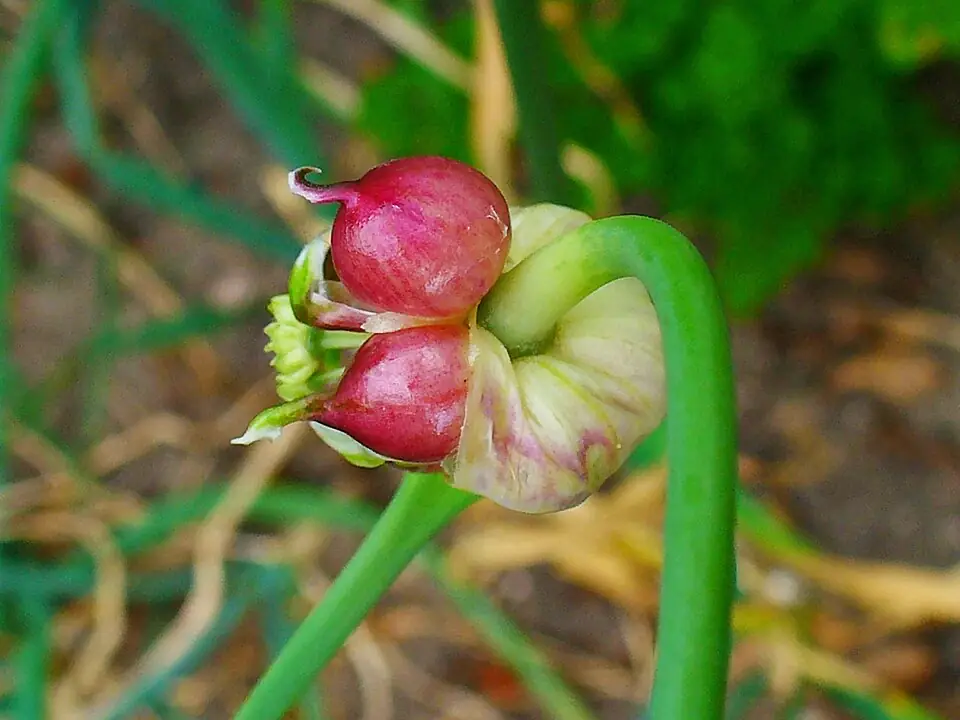
Growing Garlic Greens in a Deep Kitchen Planter
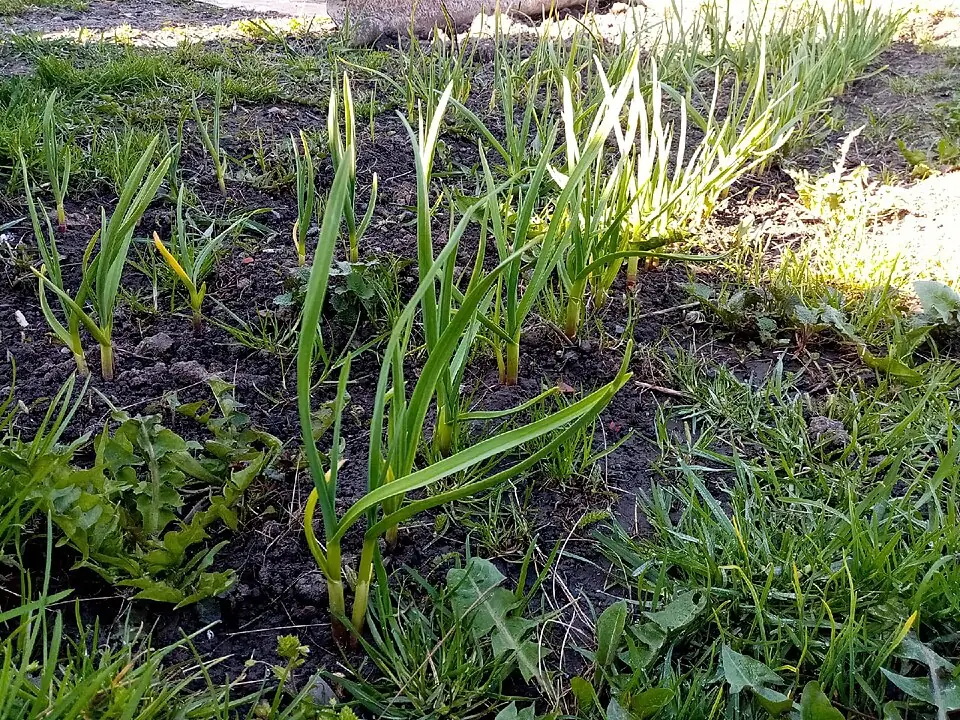
A garlic plant cannot maximize repeated leaf cutting and bulb growth at the same time. Decide the main harvest before the scissors come out.
Good growing starts with a little understanding. Find practical ideas for your plants, your patch and your everyday home.
A garlic plant cannot maximize repeated leaf cutting and bulb growth at the same time. Decide the main harvest before the scissors come out.
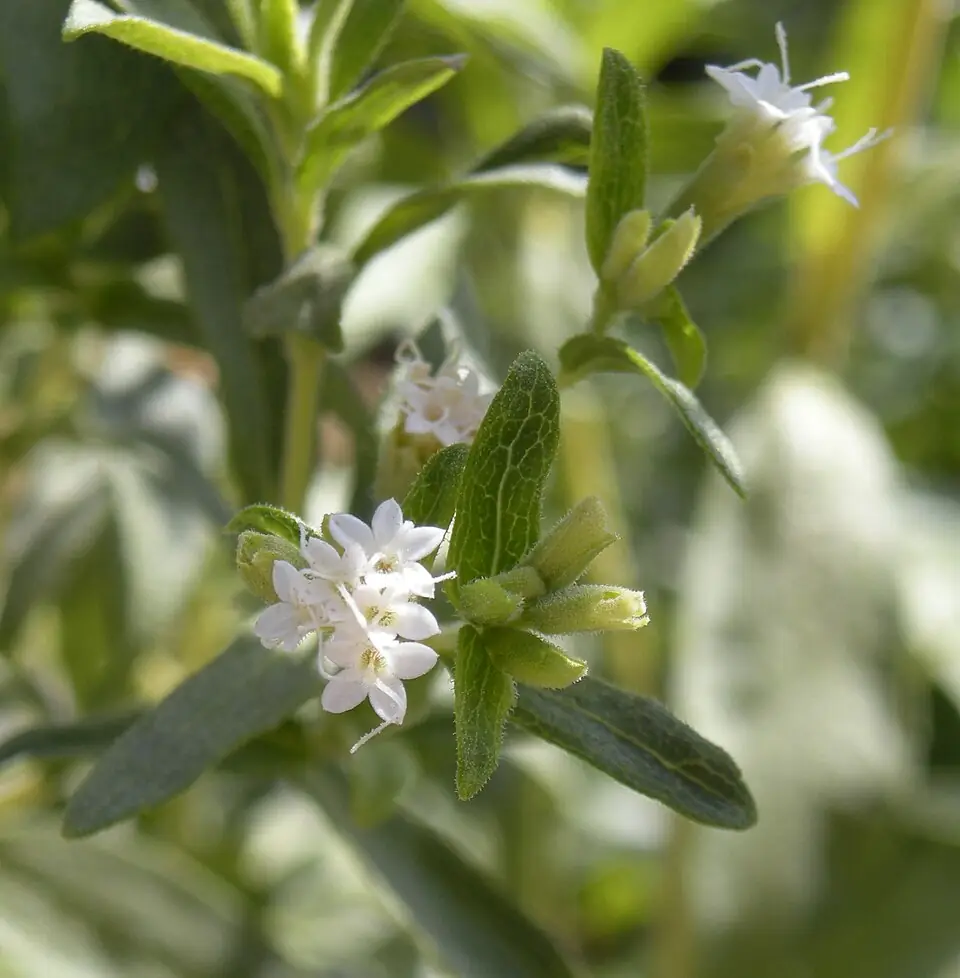
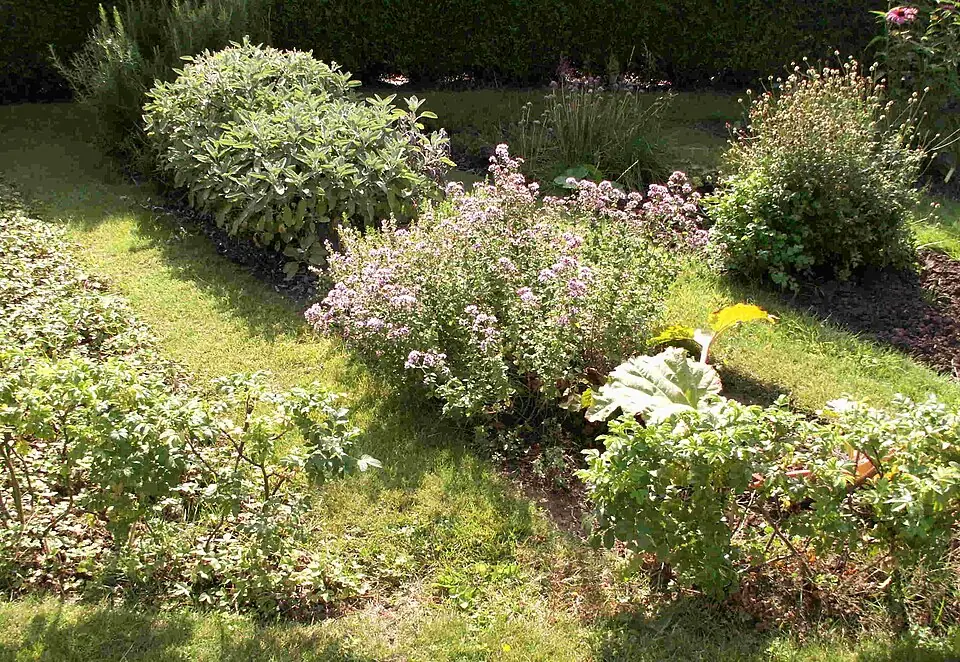
Stevia can be shaped by early light pinching once the plant is established. Leave healthy leaf pairs below the cuts and allow side shoots to develop before harvesting heavily again.
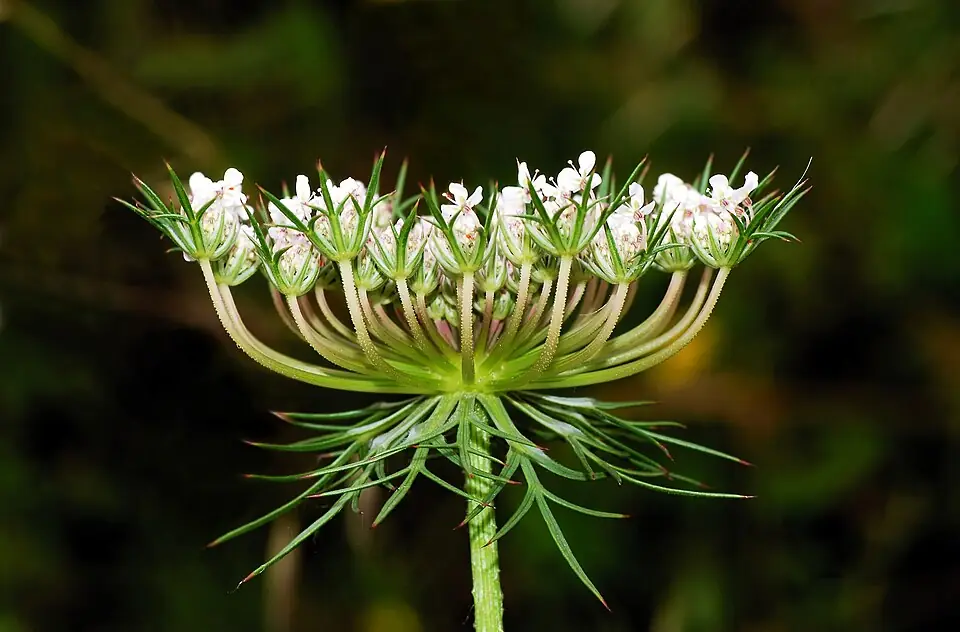
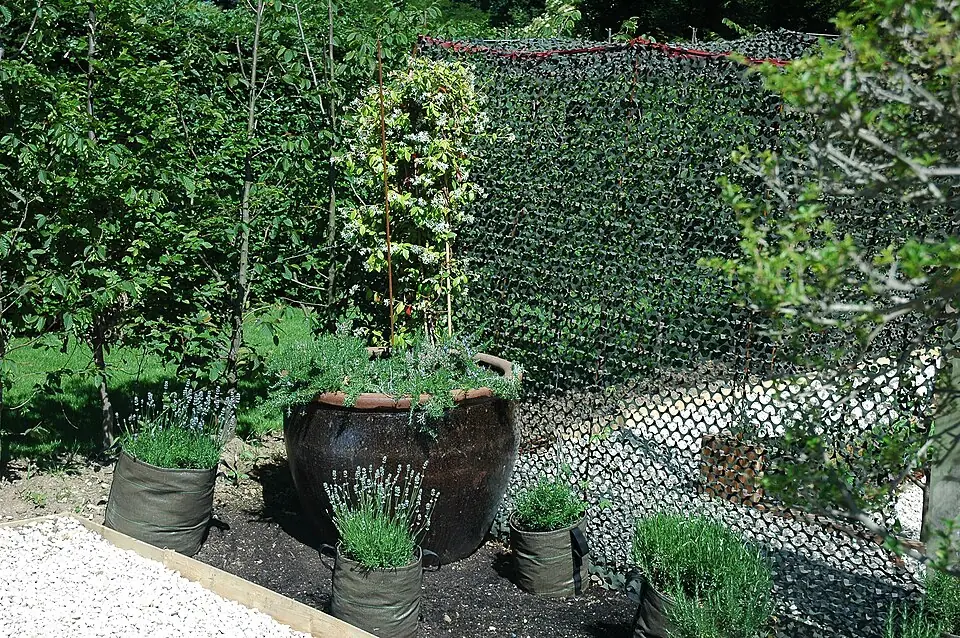
For a family herb pot, a durable botanical label is as useful as the watering can. Keep unknown ornamental leaves outside the harvest area and replace any plant whose identity cannot be confirmed.
For a household lettuce patch, the most useful harvest unit is often a few leaves rather than a whole row of mature heads.
Spinach produces its best usable growth when the planting window is genuinely cool. A rapidly lengthening central stem tells you that the leaf harvest is approaching its end.
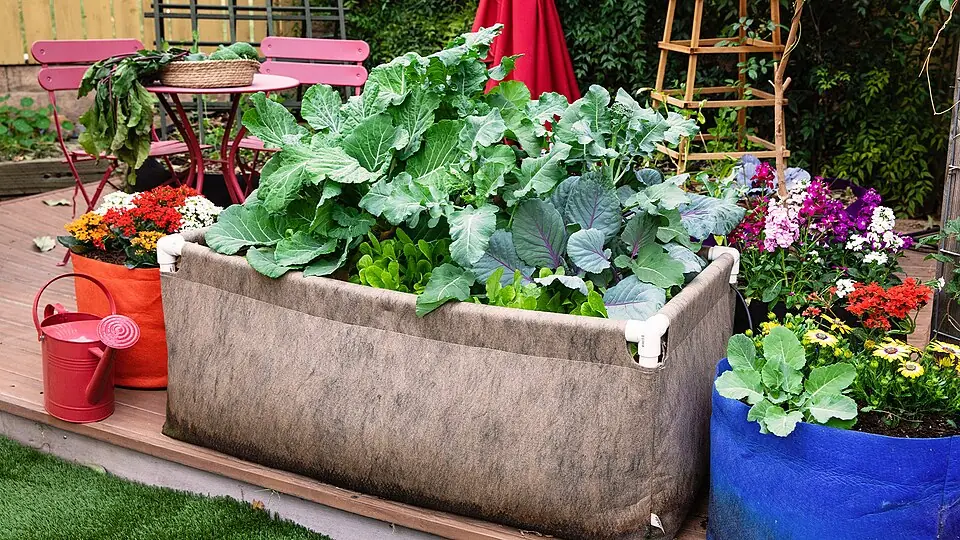
Kale needs a functioning canopy between harvests. Work from the lower mature leaves and leave the young upper leaves to support continued growth.
Swiss chard often develops several seedlings from what looks like one seed. Look closely before deciding that a thick cluster represents unusually strong growth.
Arugula is a quick crop that rewards a short harvesting plan. Taste and texture change as leaves become larger, so begin with a modest cut while plants are young.
Mizuna can be harvested as small leaves or allowed to build a larger rosette. Choose the intended style early because dense baby leaf sowing does not automatically become a good arrangement for mature plants.
Mustard greens can move from tender leaves to coarse flowering plants surprisingly quickly in warmth.
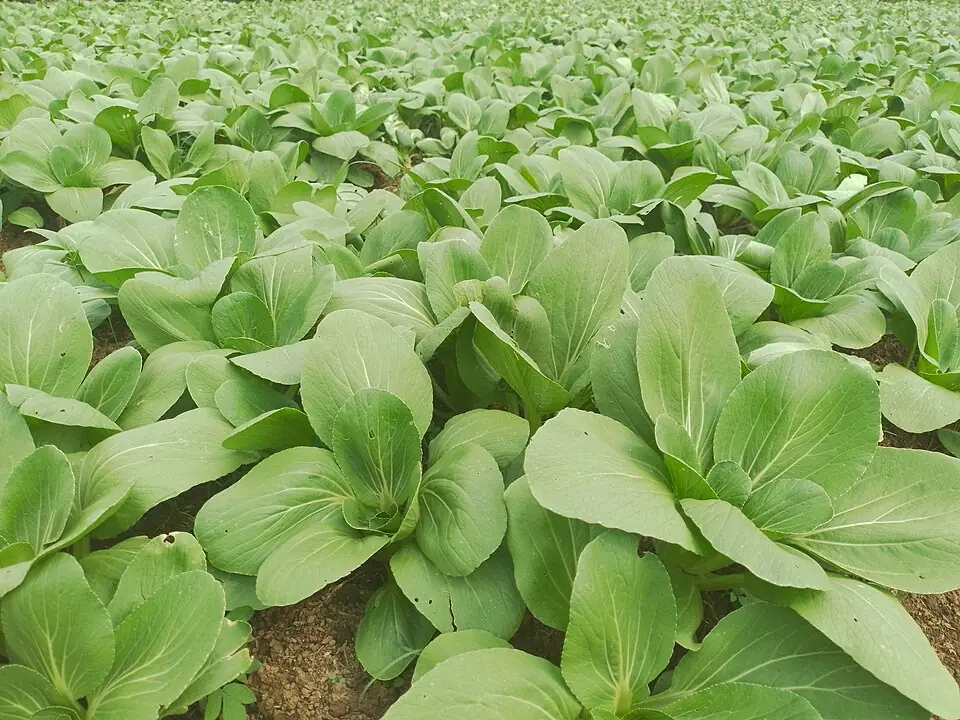
Bok choy is most useful when its leaf stalks expand together into a compact plant. A seedling held too long in a tiny cell may appear convenient to transplant but can already be stressed.
The low spreading habit of tatsoi makes the soil surface part of the harvest environment. Keep the rosette above accumulated debris and avoid directing a heavy stream of water into its center.
Radish roots can pass their best harvest stage while the leaves still look vigorous. Gently move a little surface soil to inspect a shoulder and lift one sample when the crop approaches its expected size.
The hardest period for a carrot row is often the interval between sowing and emergence. Keep the shallow seed zone damp without washing seed into hollows.
Beet seedlings need attention at the cluster stage because several roots can begin almost on top of one another.
Turnips are often easiest to manage as a young root crop. Check the variety description because salad types and larger storage types are not intended to be harvested at an identical size.
Parsnips occupy their bed for a long period, making row marking and access especially valuable. Avoid disturbing the taproot during early weed removal.
Know which kind of pea you planted before judging the harvest. Snow peas are taken while pods are still flat, snap peas develop edible fleshy pods, and shelling peas are grown for filled seeds.