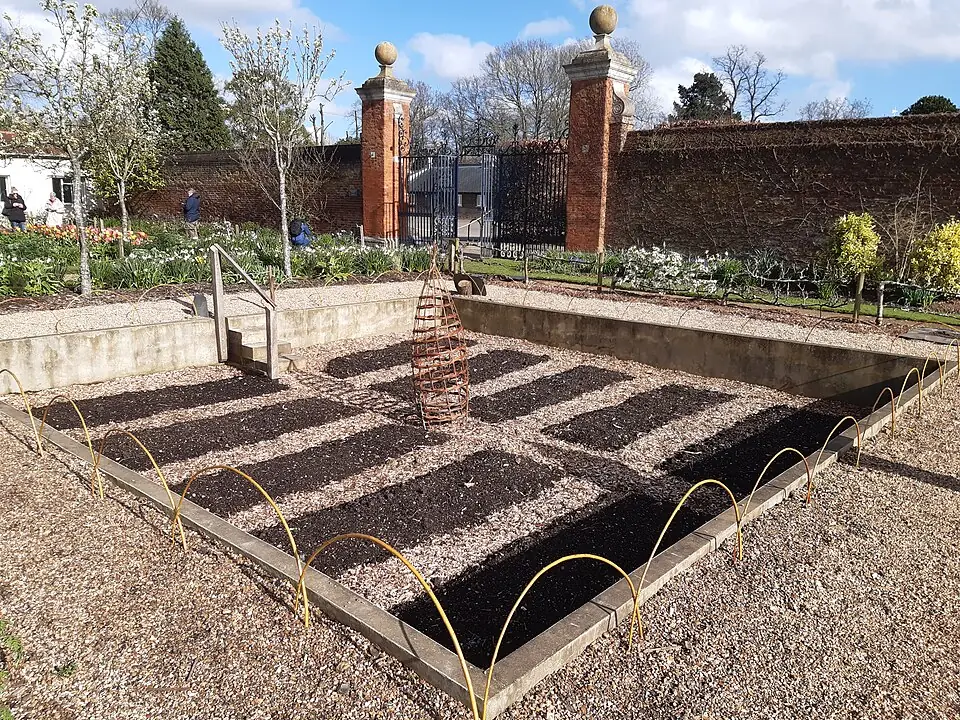
Refreshing Raised Beds Without Replacing Everything
Normal settling is not proof that the contents have become useless. Roots decomposition and repeated watering can lower the level without requiring removal of all existing soil.
Good growing starts with a little understanding. Find practical ideas for your plants, your patch and your everyday home.
Normal settling is not proof that the contents have become useless. Roots decomposition and repeated watering can lower the level without requiring removal of all existing soil.
The next crop helps determine how much preparation is necessary. A large transplant needs an accessible planting hole, while a fine direct sowing needs a more even shallow surface.
Winter soil protection should fit drainage as well as temperature. A deep wet covering over an already saturated bed can delay spring work.
Cover crops are selected for a job and a schedule. Before sowing, identify when the following crop must enter the bed and how the cover will be ended using the tools you have.
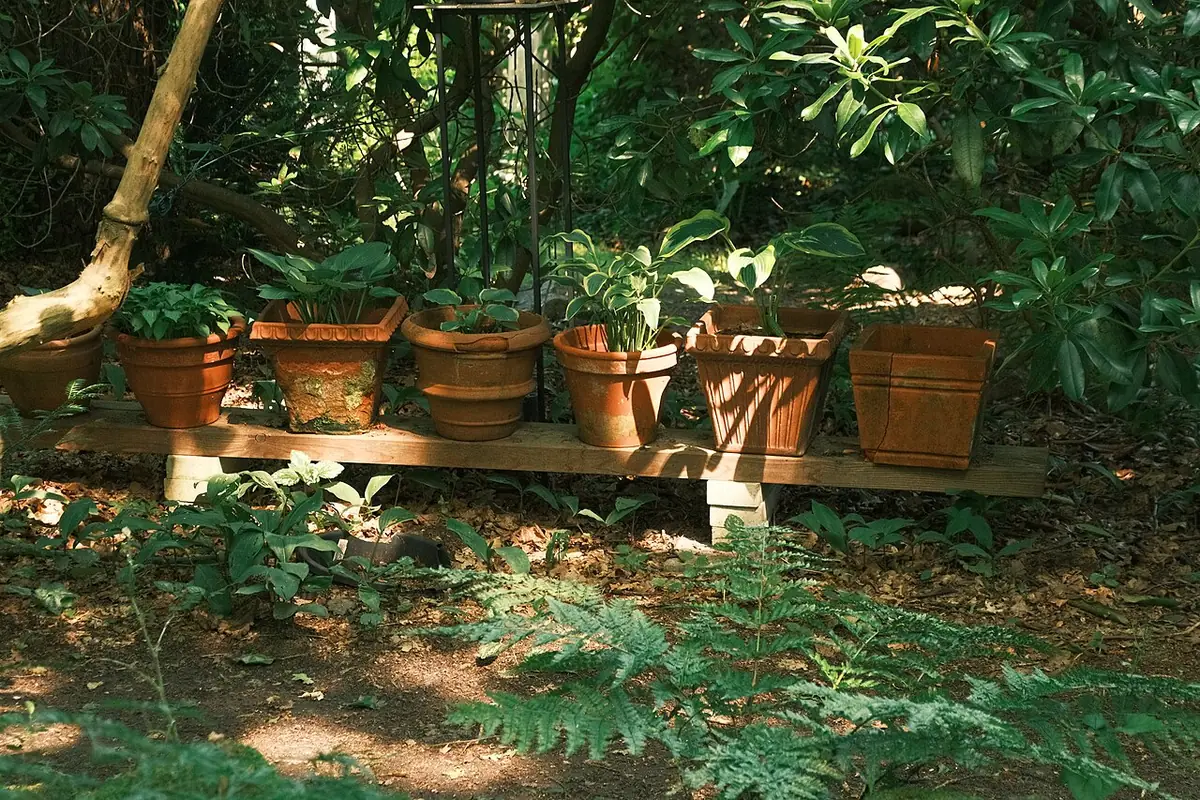
Mineral deposits on a pot rim can come from irrigation water as well as fertilizer. Compare the deposit with the feeding record before changing several things at once.
Plants suited to existing pH are often easier to maintain than plants requiring continual correction.
Air space behaves differently in a pot than in open ground. A medium designed for containers helps balance moisture and air within that limited volume.
Reusing sound mix is a separate decision from reusing a dirty container. Inspect both.
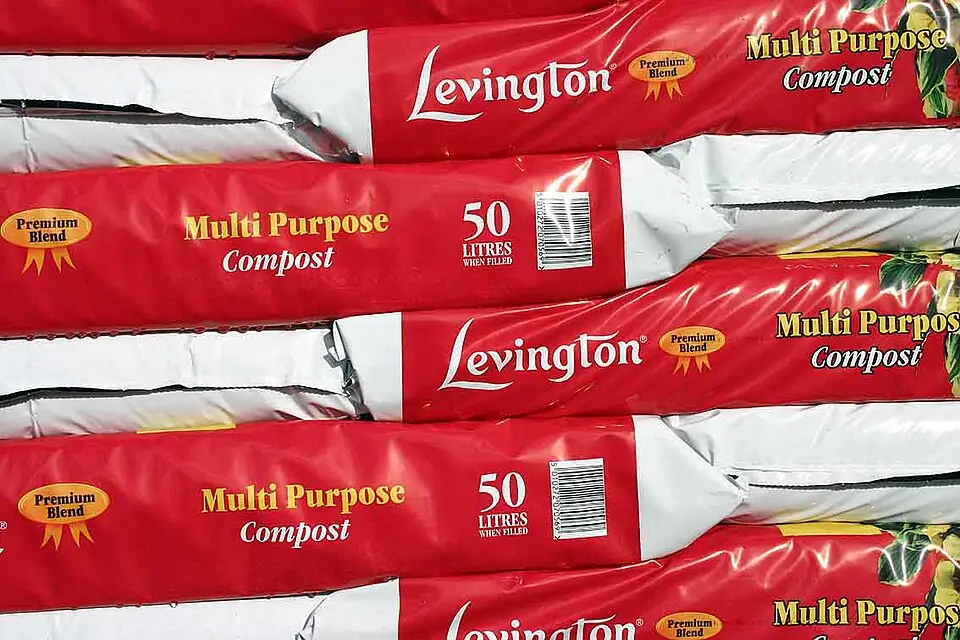
Storage is part of keeping a medium suitable. Rain entering an open bag can alter handling and introduce unwanted occupants, while an unmarked bag can be confused with an unrelated product.
Check moisture in the active root zone and compare more than one spot. Surface color alone cannot tell you whether a plant needs water.
Runoff is a sign that the application is outpacing infiltration or that the surface has a separate structural problem.
Small seeds have limited energy to push through a hardened crust. A finely prepared but structurally fragile surface can seal after heavy rain.
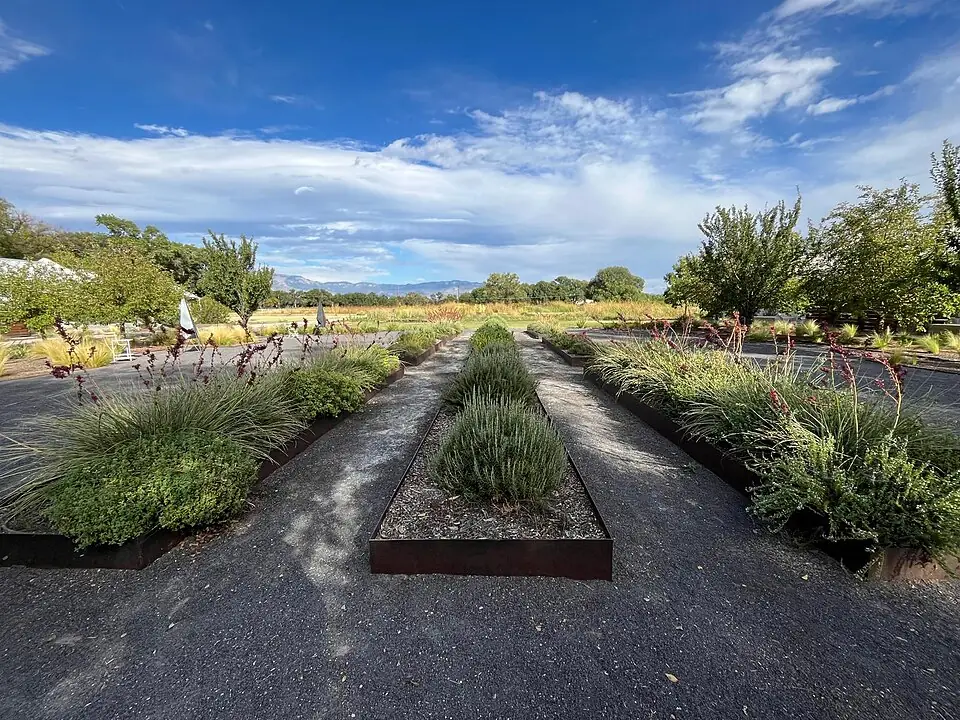
Reach is a design measurement worth testing in person. Stand in the future path and see whether you can reach the center without leaning heavily on the bed edge.
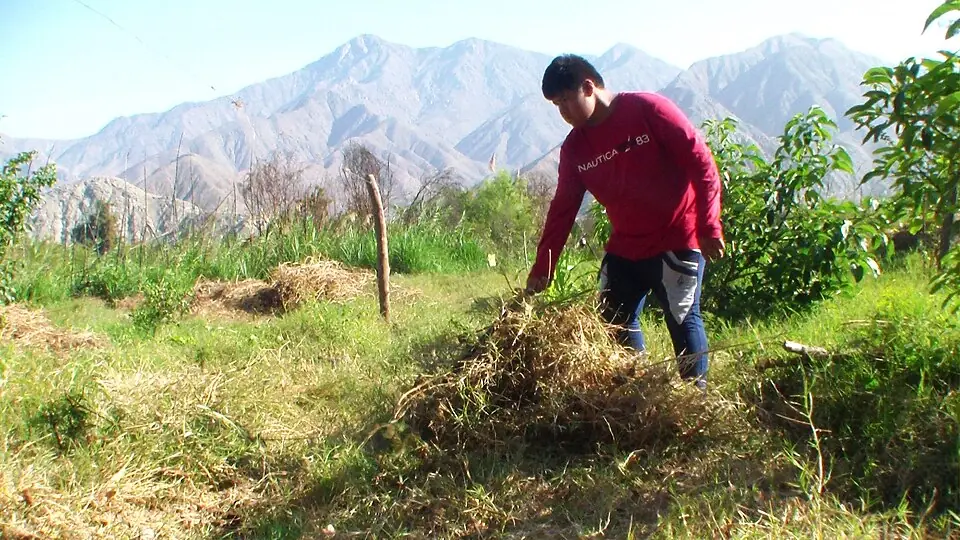
No dig methods still require an understanding of existing weeds. A covering may suppress short lived seedlings while persistent underground growth survives beneath it.
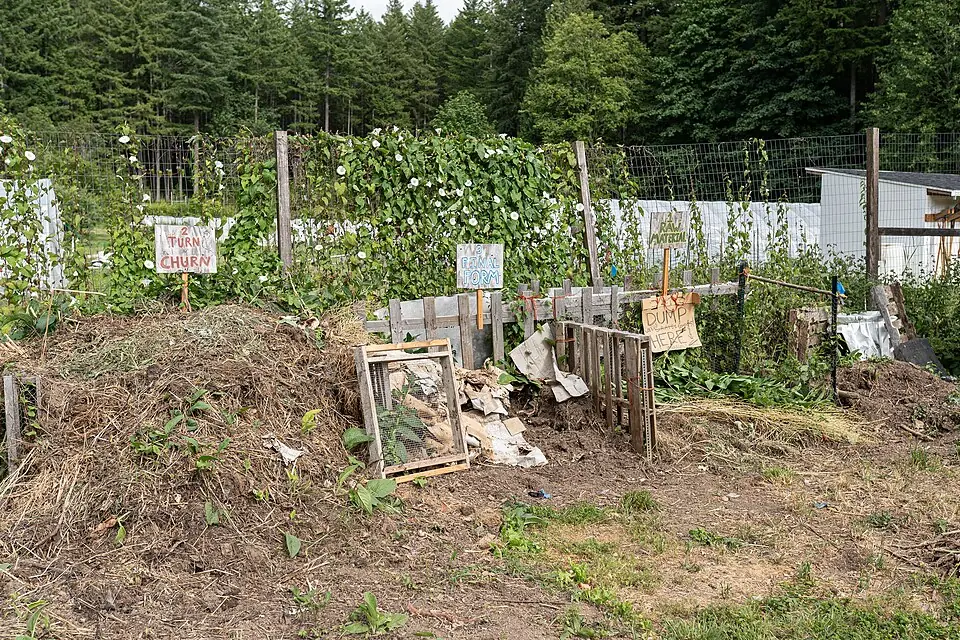
The word hot does not prove that every part of a heap reached a sanitizing condition. Home piles have cooler edges and uneven moisture, and many are not monitored at all.
Count overlapping sources when reviewing nutrients. A bed may receive compost a general feed and a separate liquid product even though each addition seems modest in isolation.
A useful record separates observation from interpretation. Write that water remained in a particular spot after rain, then record the suspected reason separately.
Packets may describe spacing for mature plants even when a crop can also be grown densely for baby leaves.