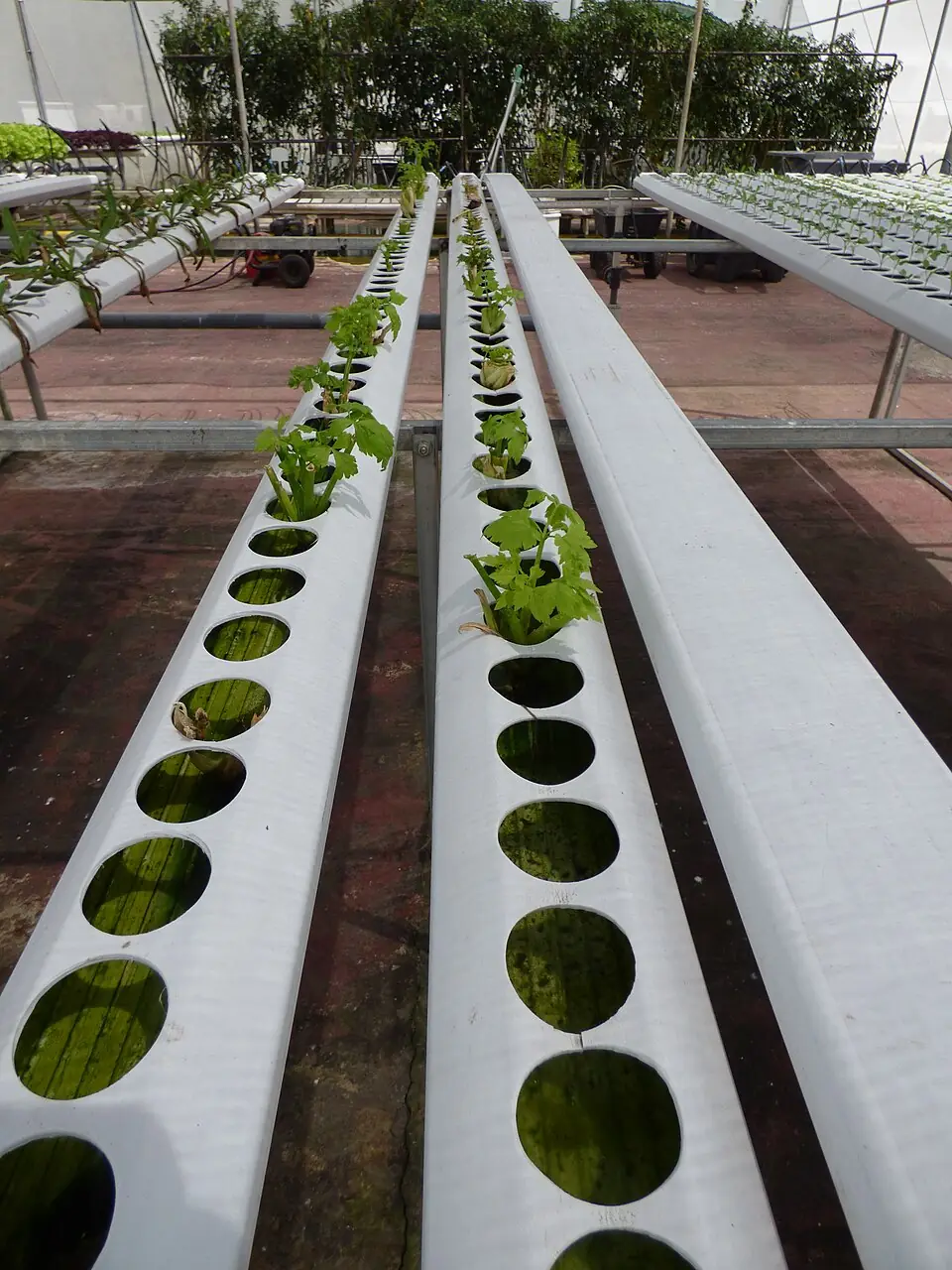
Keeping Celery Moist Without Making the Bed Soggy
Celery responds poorly to repeated interruptions in moisture supply. A deep container or moisture retaining bed is easier to manage than a small pot that repeatedly dries through.
Good growing starts with a little understanding. Find practical ideas for your plants, your patch and your everyday home.
Celery responds poorly to repeated interruptions in moisture supply. A deep container or moisture retaining bed is easier to manage than a small pot that repeatedly dries through.
Celeriac forms the useful swollen structure at the base of the plant, not a long underground root like a carrot.
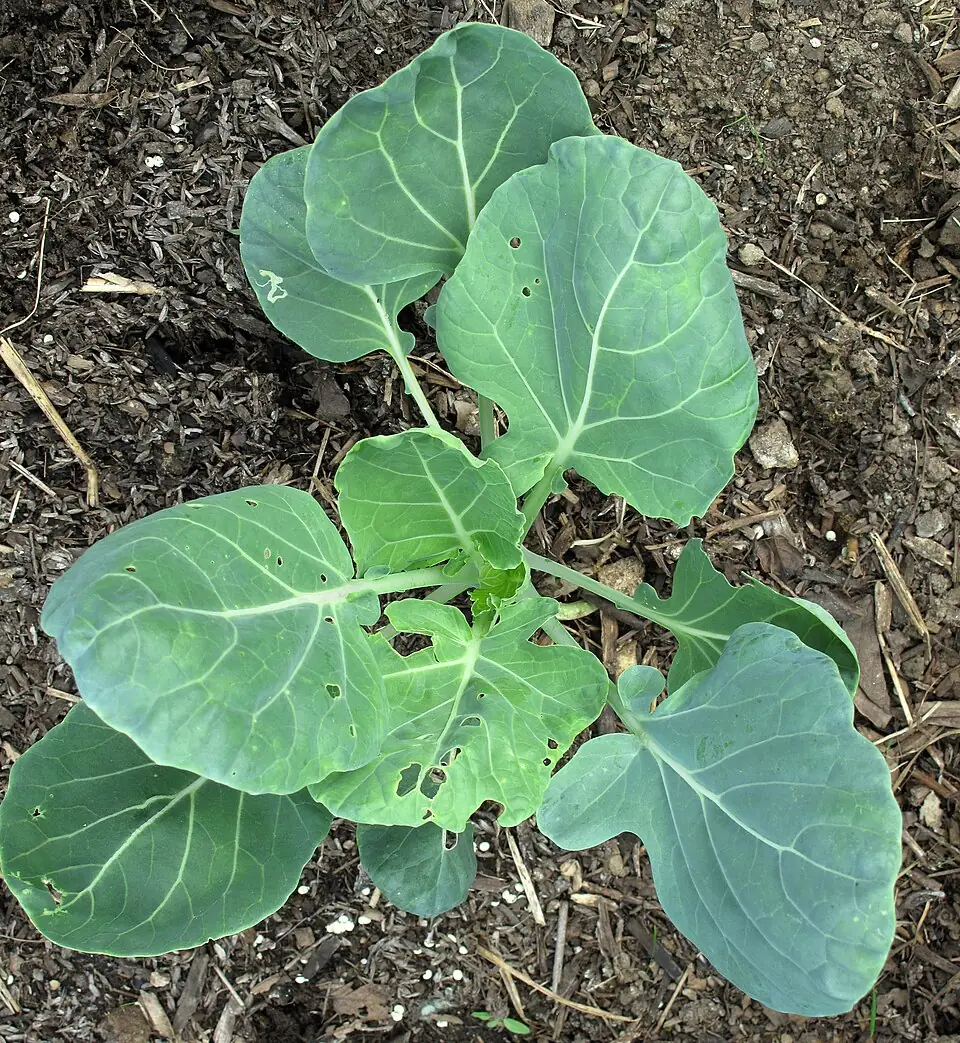
Broccoli heads are groups of unopened flower buds. A tight head is ready for attention before individual buds loosen and reveal color.
Cauliflower varieties are chosen for particular growing windows, so the packet timing is more useful than a universal rule for all cauliflowers.
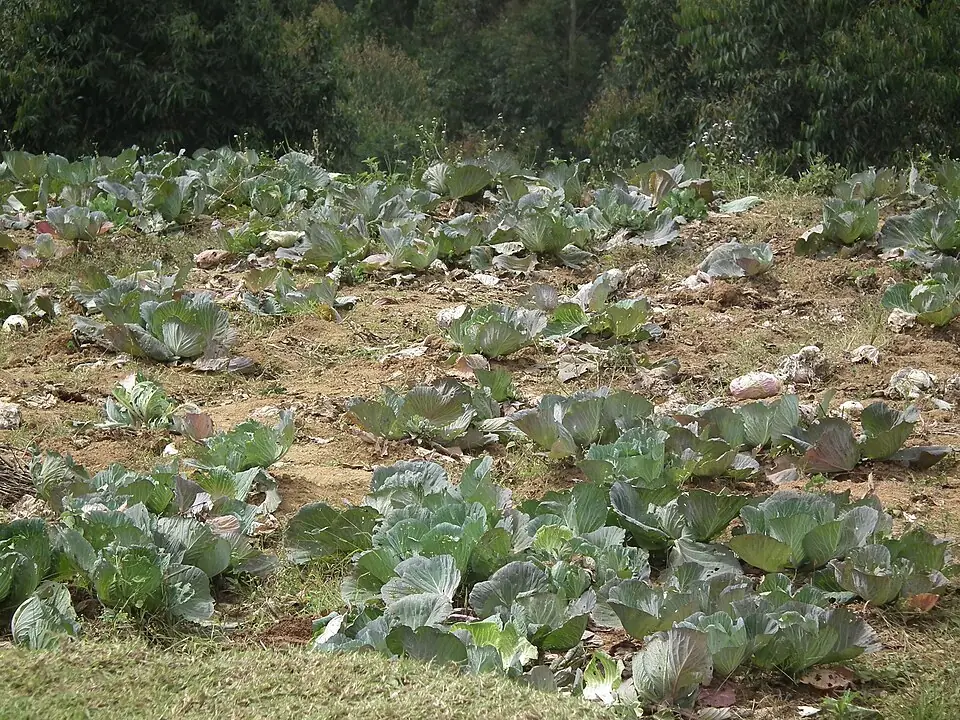
Cabbage varieties range from compact early heads to large mature storage types. Decide which scale suits the bed before spacing the transplants.
Brussels sprouts are harvested progressively rather than as a single head. Begin with firm lower sprouts and work upward as they reach a useful size.
Collards are most productive as a measured leaf harvest from a healthy plant. Select mature outer leaves and let the younger center replace them.
Kohlrabi is grown for a swollen stem held above the soil. It should not be buried like a root crop in an attempt to make it larger.
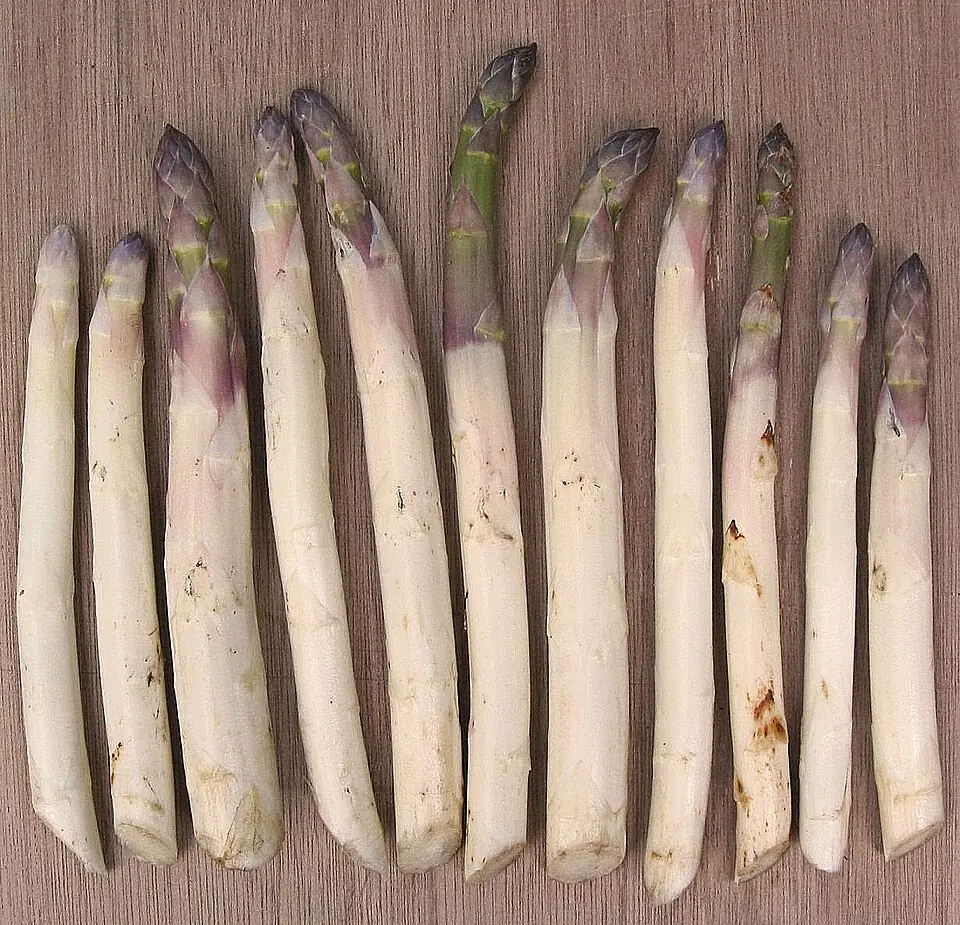
Asparagus is a long term planting whose first priority is a strong permanent root system. Follow local establishment guidance rather than taking a full harvest from newly planted crowns.
Rhubarb needs enough intact leaves to maintain the crown after stalk picking. Harvest conservatively from an established plant and stop if growth is weak.
Texture influences how a soil behaves, but structure describes the way its particles are arranged.
Watch where incoming water originates before improving a bed. Roof runoff a nearby slope or a compacted path can repeatedly add water to one location.
Read the laboratory recommendations for your intended crop and local soil. Do not add lime or fertilizer just because a result looks unfamiliar.
Sampling depth can change what a laboratory result means. Use the requested depth consistently and avoid scraping only loose material from the surface.
Sandy beds often need attention to the timing of water rather than the force of each application. Apply water slowly enough to wet the root area and check where it reached.
Clay is not automatically infertile soil. Its challenge in many gardens is restricted air and slow drainage when wet, followed by a hard surface when dry.
Compaction commonly appears at entrances turning points and places where a gardener stands to reach a wide bed.
Finished compost contributes organic matter and a variable amount of nutrients, depending on its ingredients and process.