Dividing Established Chives
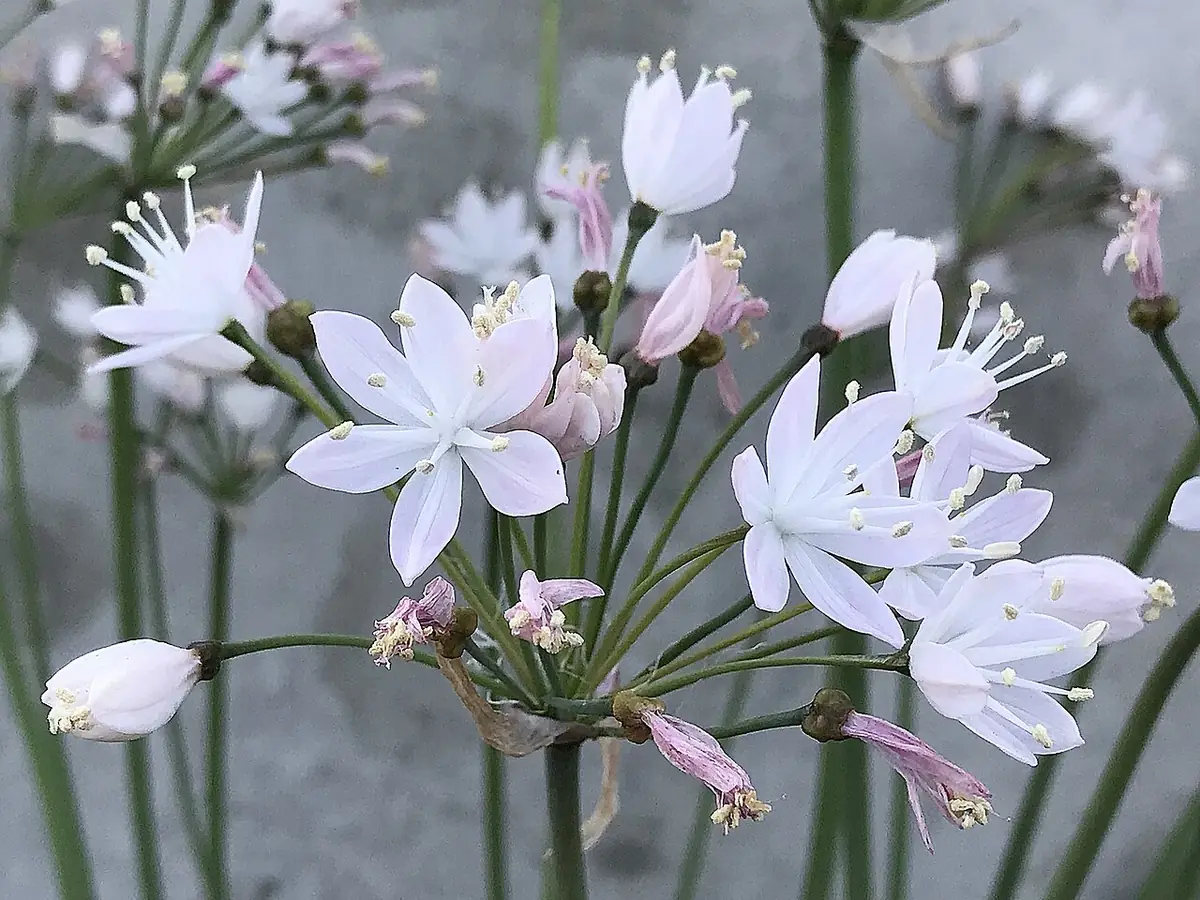
Chive divisions should contain both roots and viable growing points. A few detached leaves are not an equivalent planting unit.
Good growing starts with a little understanding. Find practical ideas for your plants, your patch and your everyday home.
Chive divisions should contain both roots and viable growing points. A few detached leaves are not an equivalent planting unit.
Rhubarb division is an establishment project rather than an opportunity for an immediate full harvest.
A strawberry runner can root while it remains attached to its parent, reducing the stress of making a separate plant.
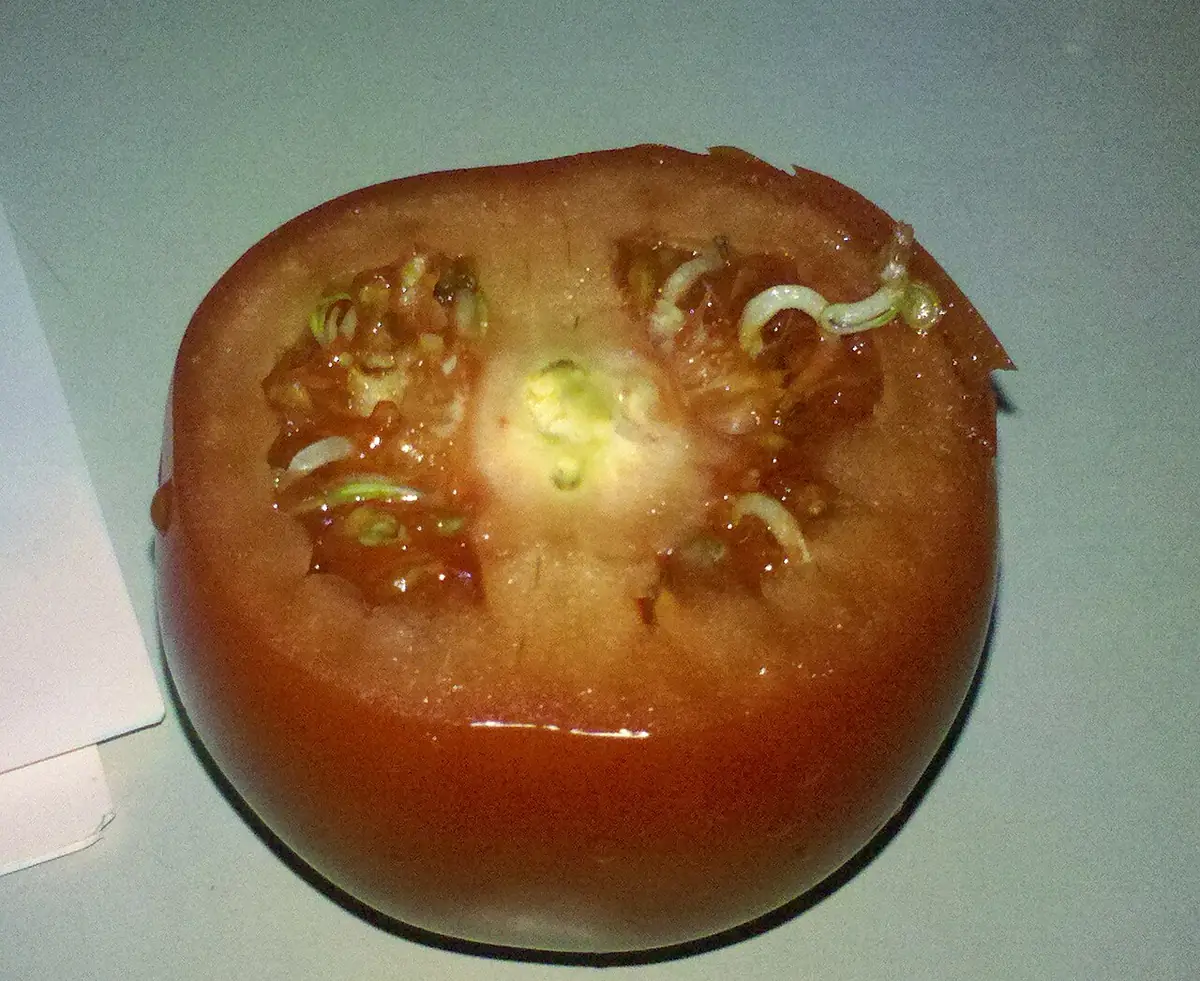
Seed saving begins with knowing whether the variety is likely to come true. An open pollinated tomato is different from a hybrid whose offspring may vary.
Selected bean pods need to reach a dry seed stage rather than the tender stage used for fresh eating.
A propagation corner should include space for the next stage, not just the moment of sowing. Keep a clear separation between clean equipment newly collected material and finished young plants.
Sow after frost into soil that has warmed, placing seeds at the depth on the packet. Thin seedlings before their leaves overlap.
Choose a height that suits the bed. Sow shallowly after frost and thin young plants so each can develop several side branches.
Sow into a prepared surface at the recommended depth and keep the seed zone moist. In hot climates favor the cooler growing season.
Select a trailing or compact variety deliberately. Sow into its final container once frost risk has passed instead of disturbing large roots later.
Match the variety to the space because compact French types and taller African types have very different proportions.
Decide between single stem, branching and dwarf types before sowing. Direct sow when soil warms, then thin to the variety spacing.
Set small plants at the spacing on their labels and allow room for a low spreading cushion. Choose the cooler season in very hot regions.
Confirm the species and its local winter hardiness. Plant with the crown at soil level, keeping space for the mature spread.
Check which species or cultivar you have and its local suitability. Set the crown level with the soil and settle the root ball gently.
Check the plant identity because Rudbeckia includes annual and perennial types. Plant to the label spacing rather than squeezing young pots together.
Choose a locally suitable Monarda and allow its labeled spread. Place it where a breeze can move through the planting without harsh exposure.
Choose a cultivar whose mature spread fits the available width. Plant away from the exact path line so stems can arch without blocking passage.