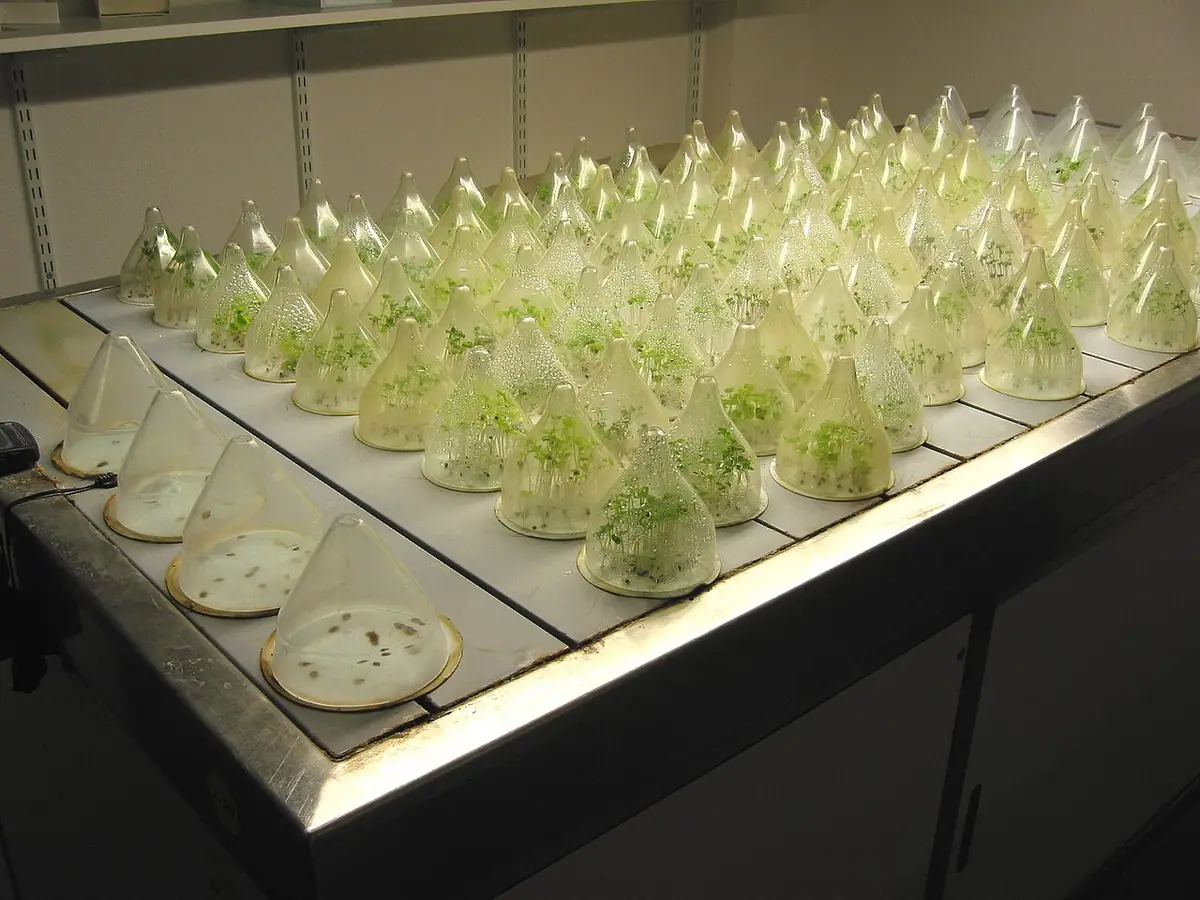
Labeling Seed Trays So Varieties Stay Clear
Write labels before handling wet medium so the information is clear and the label is ready immediately.
Good growing starts with a little understanding. Find practical ideas for your plants, your patch and your everyday home.
Write labels before handling wet medium so the information is clear and the label is ready immediately.
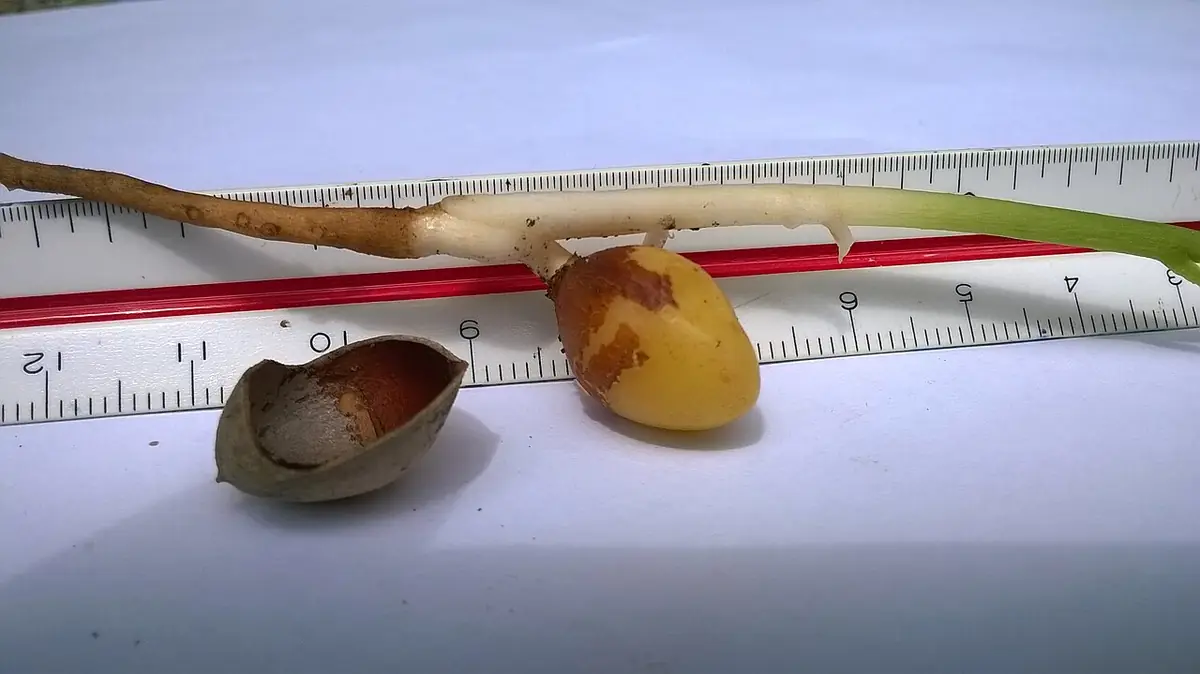
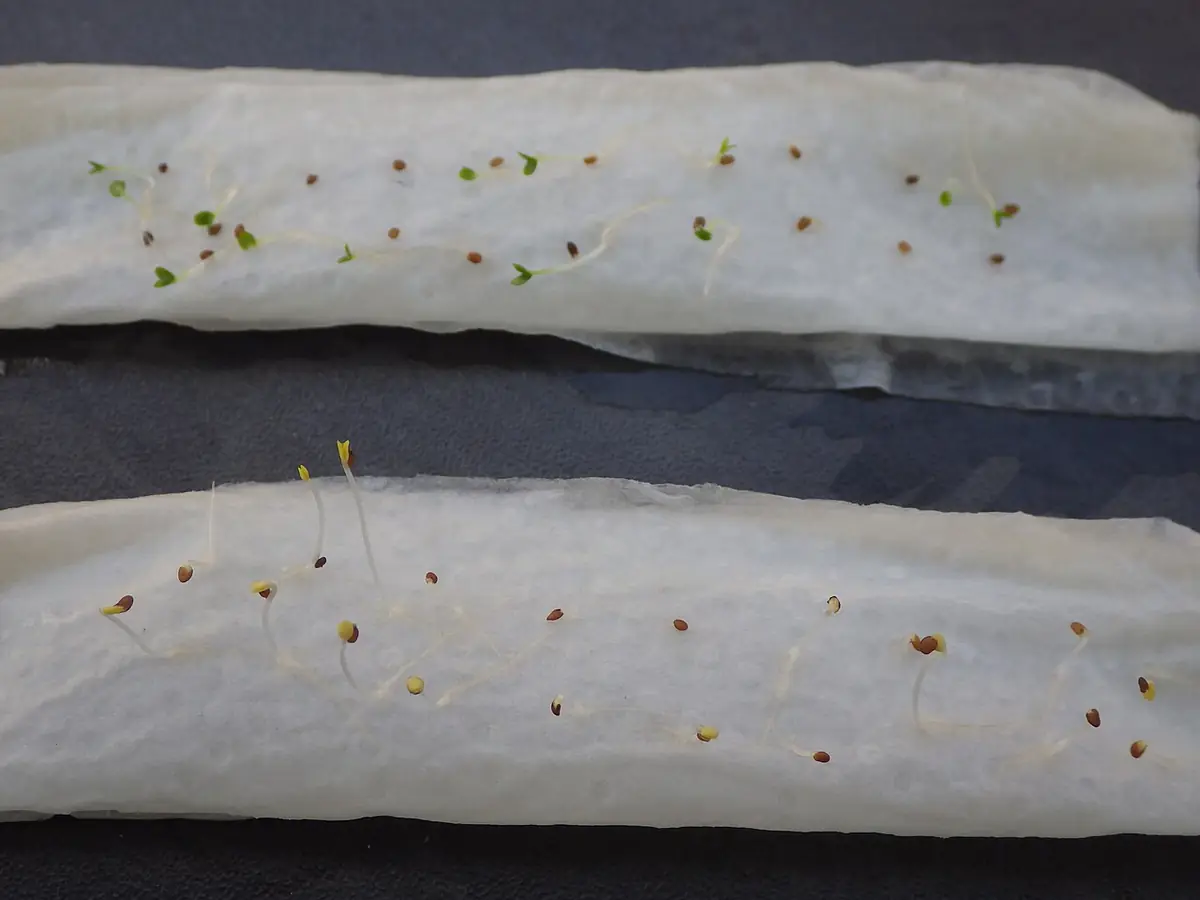
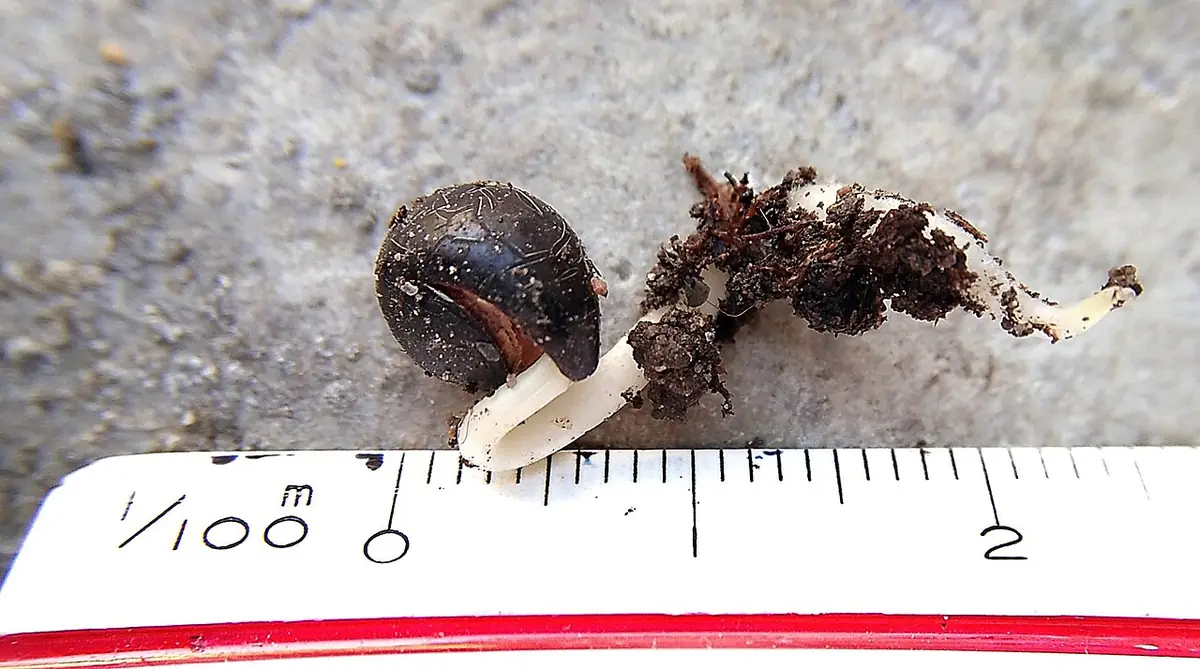
A germination test should provide the conditions the seed actually requires. A damp paper sample left too cold can underestimate viable seed, while an overwatered sealed sample can deteriorate.
Seed storage works best when the seed is already appropriately dry. A sealed container protects dry packets from changes in room humidity but traps moisture if the contents are damp.
Blocked drainage can occur when a tray is placed directly against a solid surface. Check the route out of the cells and the outer tray as separate parts.
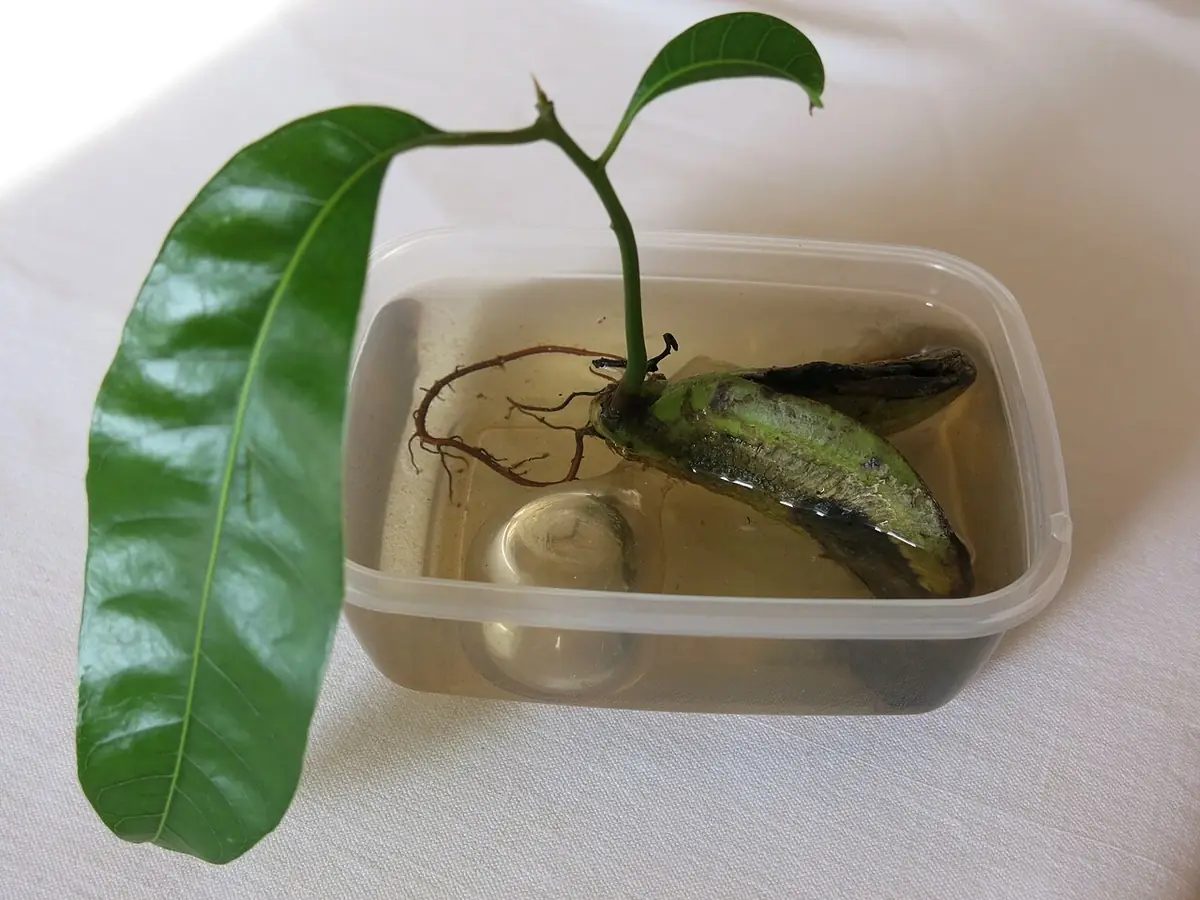
Bottom watering is a temporary way to introduce moisture, not a permanent water reservoir for every seedling.
The next sowing should be informed by the crop already growing. If the first batch is still tiny because of cold weather, another batch may simply create a crowded queue rather than a staggered harvest.
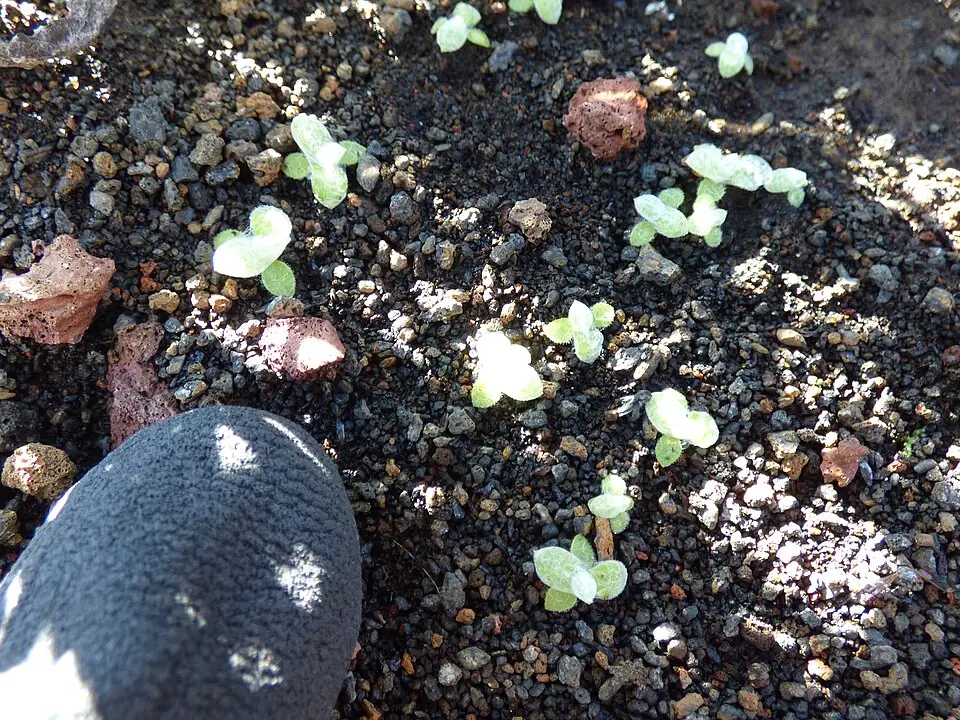
Heavy rain can move seed to the lowest part of an uneven row. After the storm, inspect the pattern before sowing again.
Wildlife protection needs regular inspection even when the barrier is intended to be harmless. Keep mesh supported and taut, with edges secured in a way that does not create loose loops.
Module size should match the crop and the time it will remain in the tray. Small cells conserve space but offer little buffer if watering or transplanting is delayed.
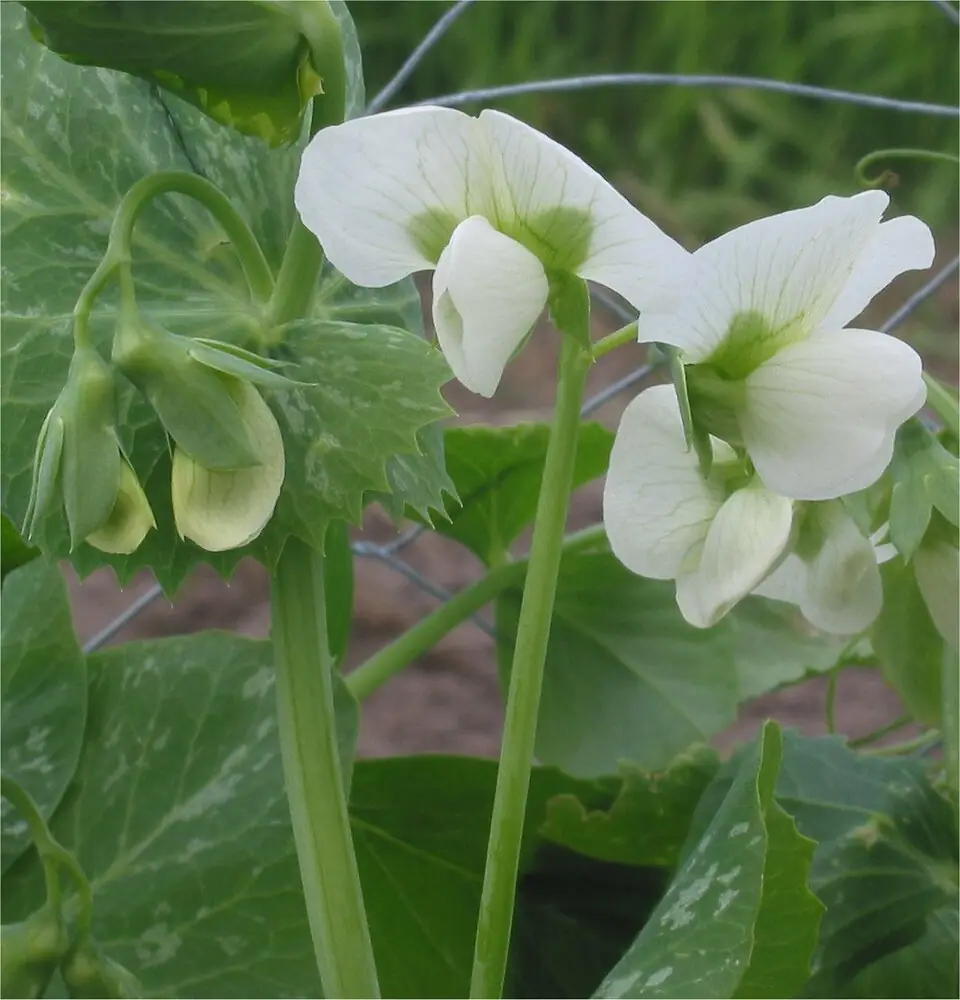
Deep modules protect a young pea root better than repeated handling, but they do not justify holding the plant indoors for weeks beyond readiness.
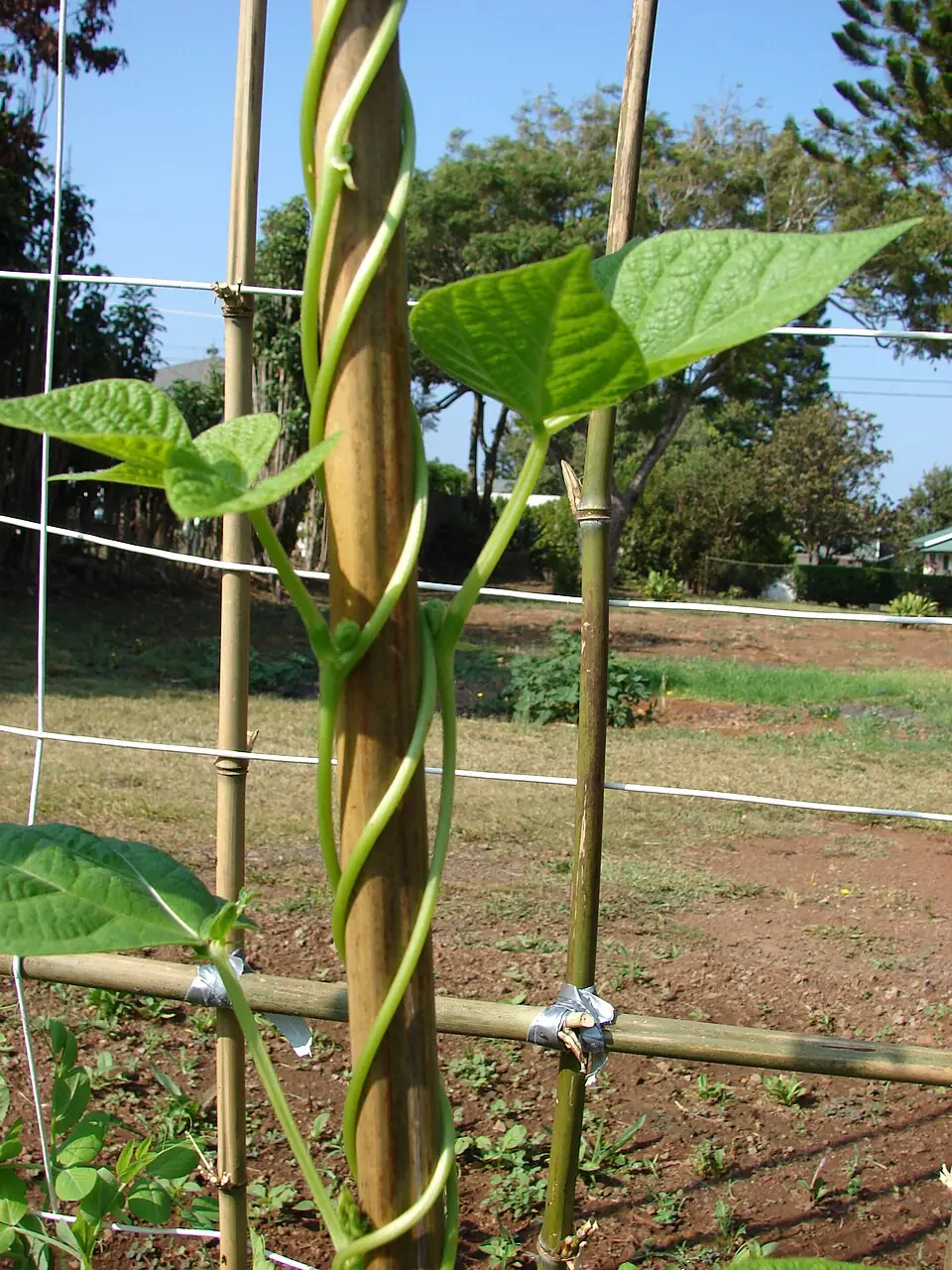
Bean seedlings can develop quickly once warmth is suitable. Provide enough light immediately rather than leaving emerged pots in a warm dim germination corner.
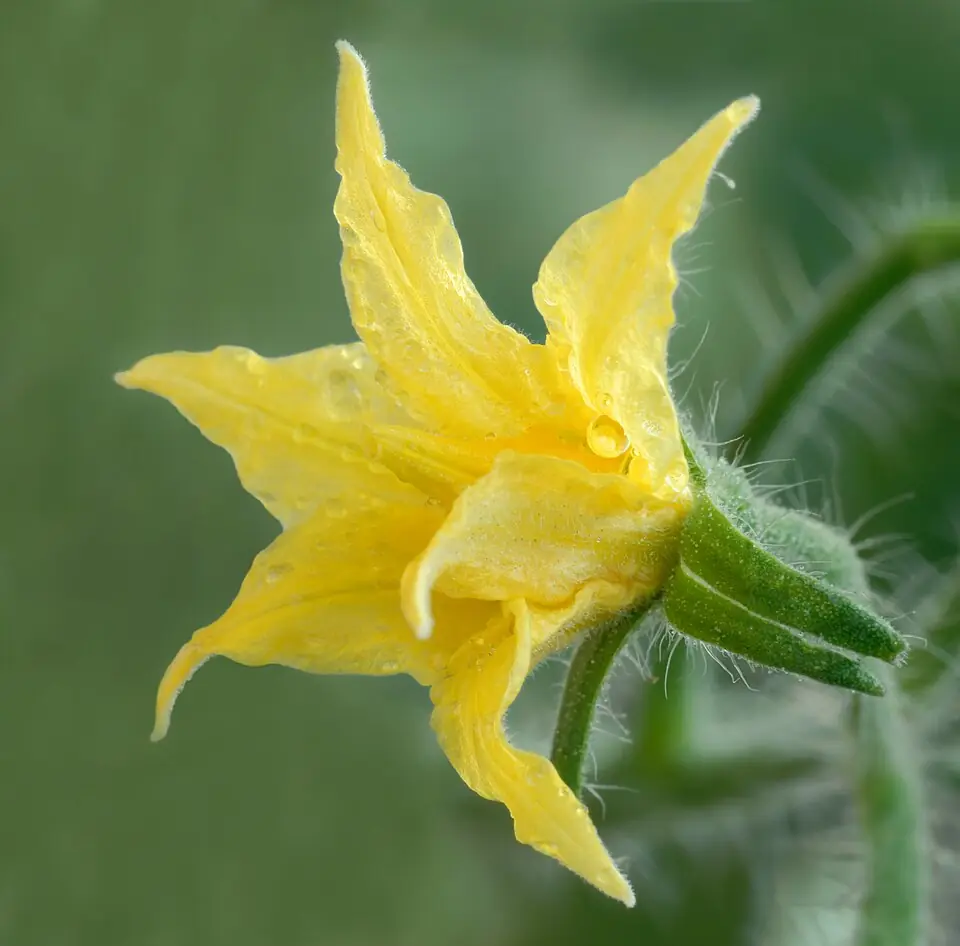
Tomato sowing dates depend partly on where the plants will finish growing. A protected greenhouse and an exposed outdoor bed may have different safe planting periods.
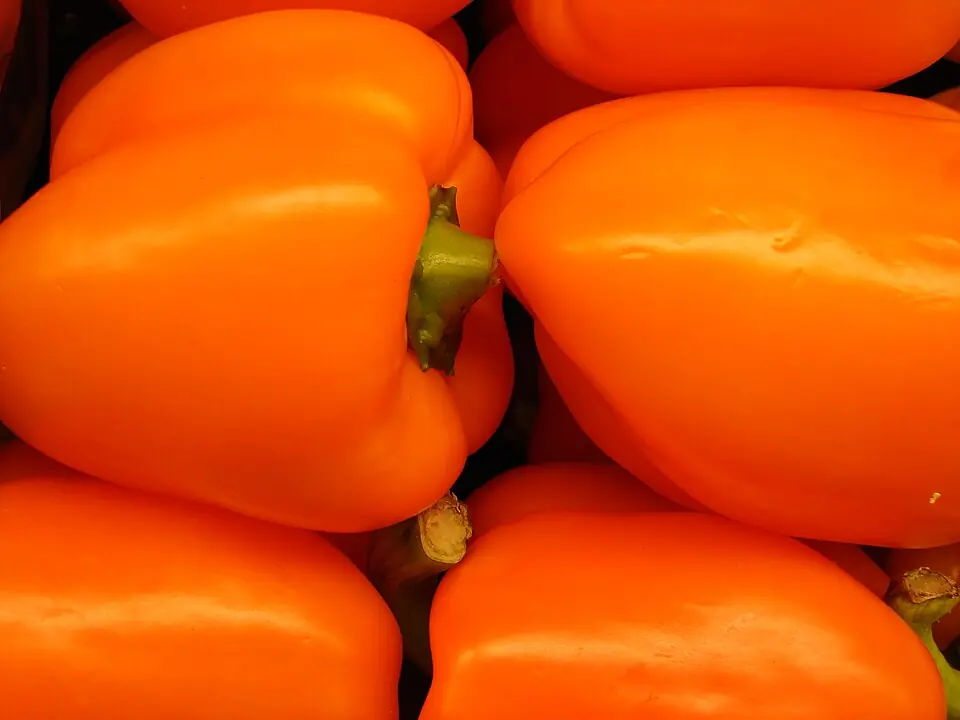
Pepper germination can be uneven, making patience important within the expected range for the variety.
Carrots benefit from a clearly marked row because their fine early leaves can be confused with weeds.
Parsnip seed deserves an early viability decision because a failed sowing can consume a useful part of the season.
Lettuce can germinate poorly when the sowing environment is too warm. Move the sowing to a genuinely cooler suitable place rather than keeping a hot tray constantly wet.
Mint cuttings need a healthy parent and clean handling. Remove leaves that would otherwise sit inside wet medium because buried foliage can decay before roots develop.
Rosemary cuttings usually need a different moisture balance from soft leafy seedlings. The base should remain in suitable contact with a freely draining medium, but constant saturation is unhelpful.