Knowing When Compost Is Ready
Look for a stable, earthy, crumbly material rather than using compost solely because a certain number of months has passed.
Good growing starts with a little understanding. Find practical ideas for your plants, your patch and your everyday home.
Look for a stable, earthy, crumbly material rather than using compost solely because a certain number of months has passed.
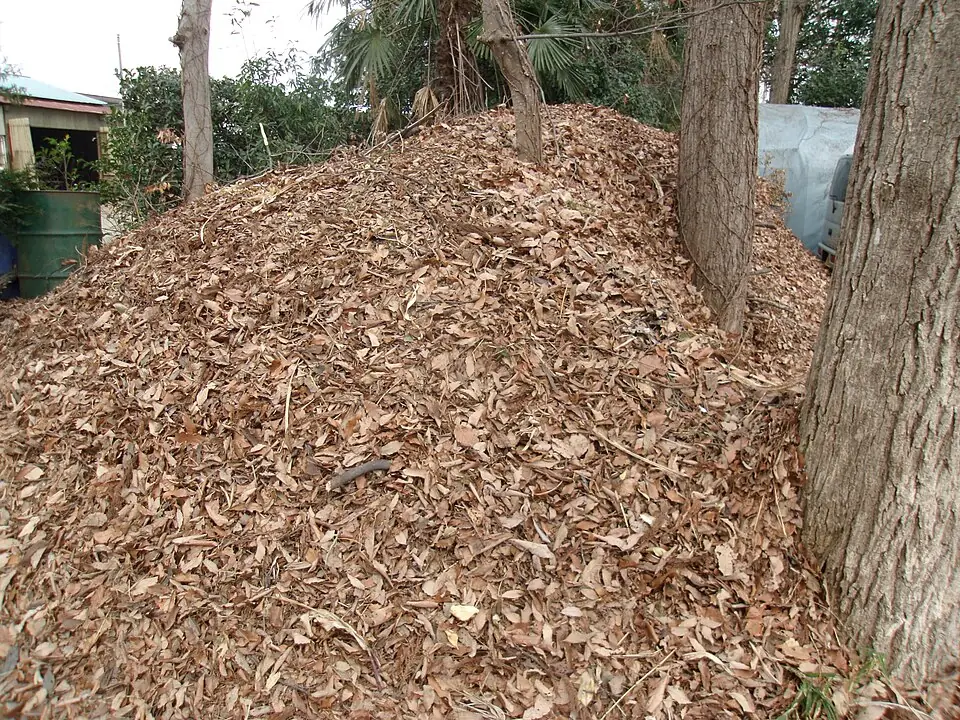
Dry leaves create useful structure between wet kitchen plant scraps and fresh clippings. Store a clean supply where it remains available when the wet ingredients arrive.
Rain falling on the top does not prove that moisture reached the center. Open a small section and inspect the actual material.
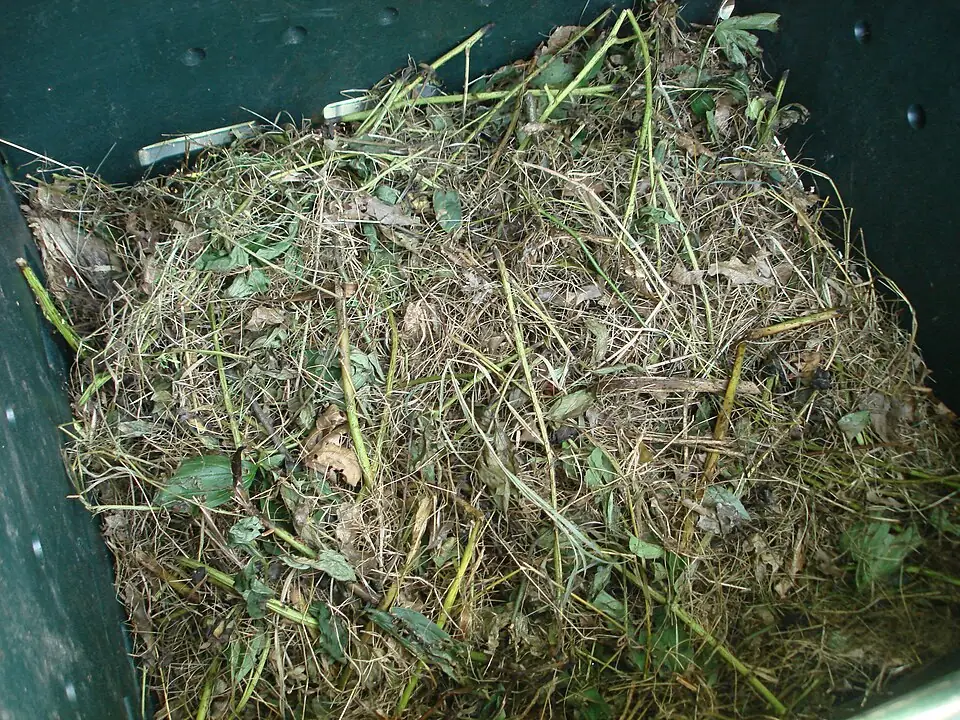
Aeration is easier when the material has a mixture of sizes. Long unbroken stems can leave large voids while dense grass mats exclude air altogether.
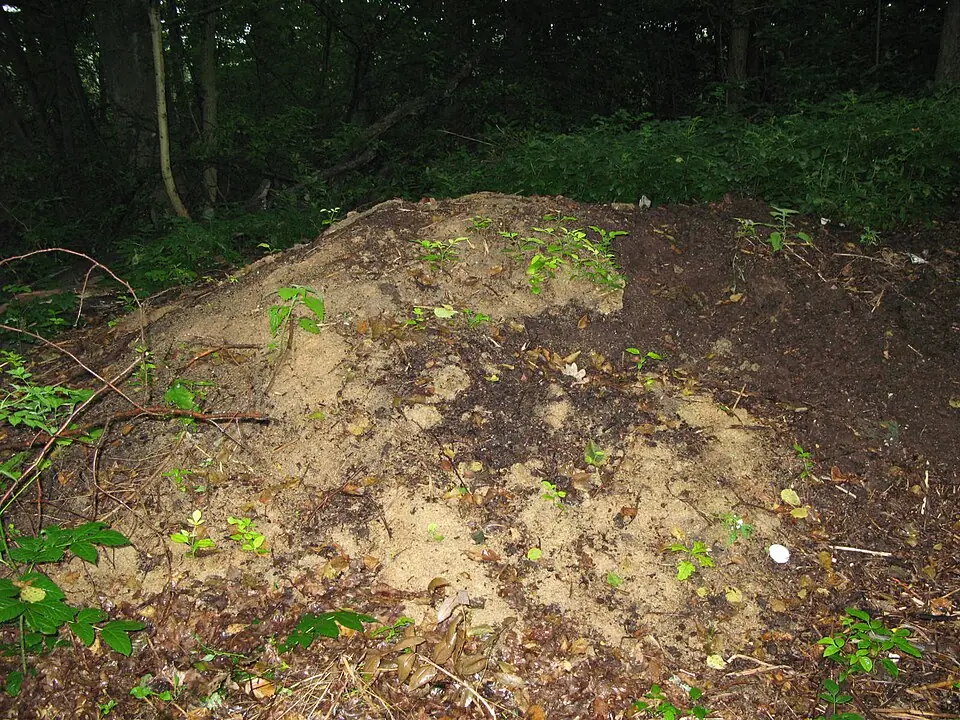
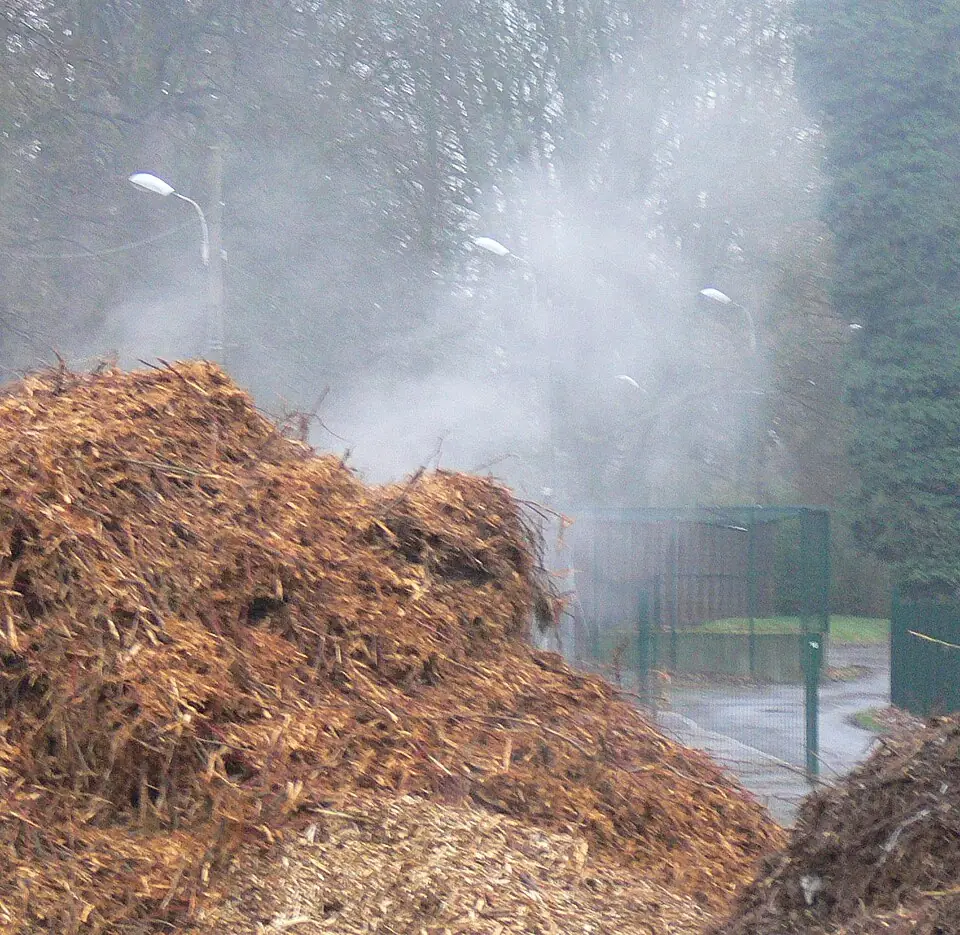
A cold heap is useful precisely because it can work slowly with limited intervention. Match expectations to that process.
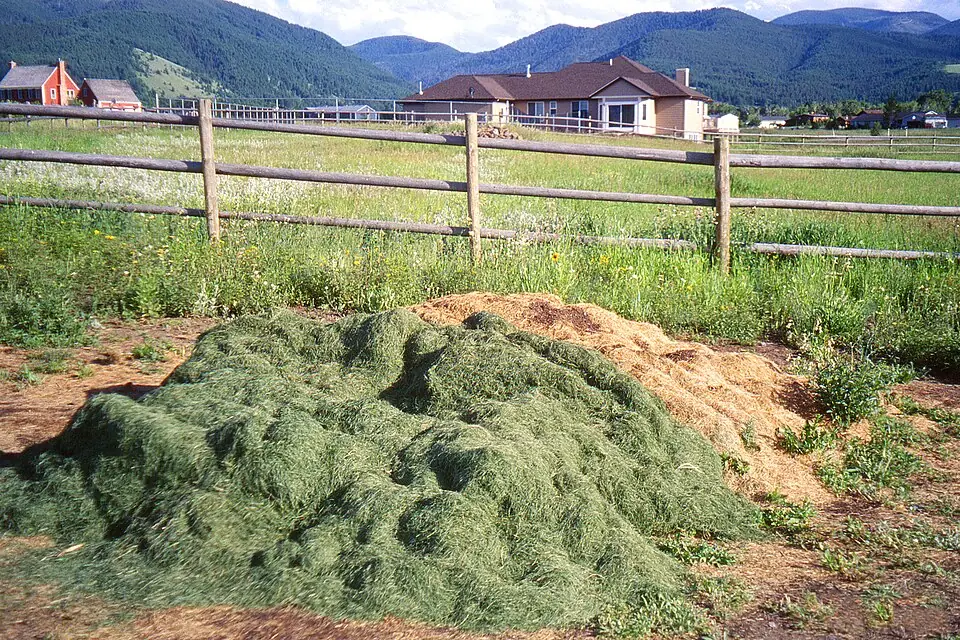
Grass clippings arrive in large wet batches after mowing, which can exceed the capacity of a small compost bin.
Leaf mold and mixed garden compost are different materials. Clean leaves can break down through a slow fungal dominated process without being combined into a hot mixed heap.
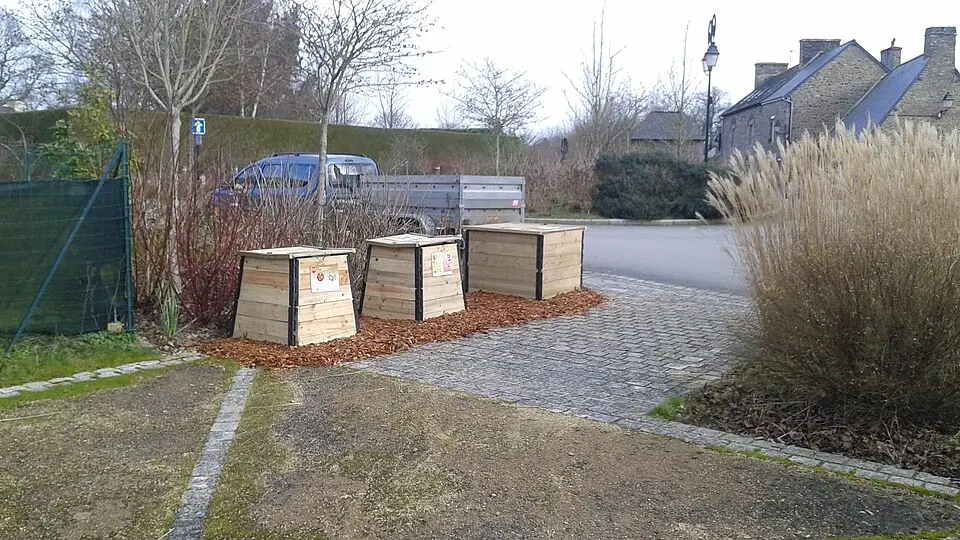
The best bin position includes the route used in bad weather. A bin that can only be reached across a slippery muddy strip is unlikely to receive careful balanced additions.
When a heap is dry throughout, a cover can preserve moisture after the material has been rewetted. Covering a dry heap without adjusting the interior simply preserves dryness.
The source of excess water may be the ground under the bin rather than rain through the lid. Check the base after a wet period before repeatedly adding more dry material.
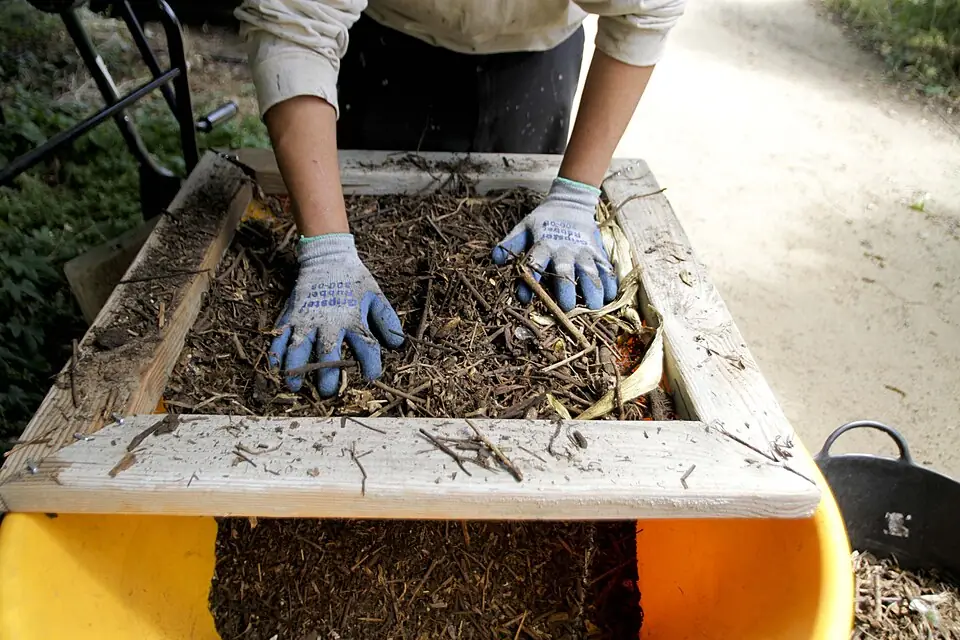
Choose a sieve mesh for the intended use rather than aiming for the finest possible compost. A surface dressing around established plants can tolerate more texture than a delicate propagation medium.
Product names differ between regions, making the stated purpose more reliable than the word compost alone.
Top dressing should leave the plant itself recognizable. A growing crown or root flare should not disappear under repeated annual layers.
Mulch changes how the surface looks and dries, so watering decisions need to include the soil underneath.
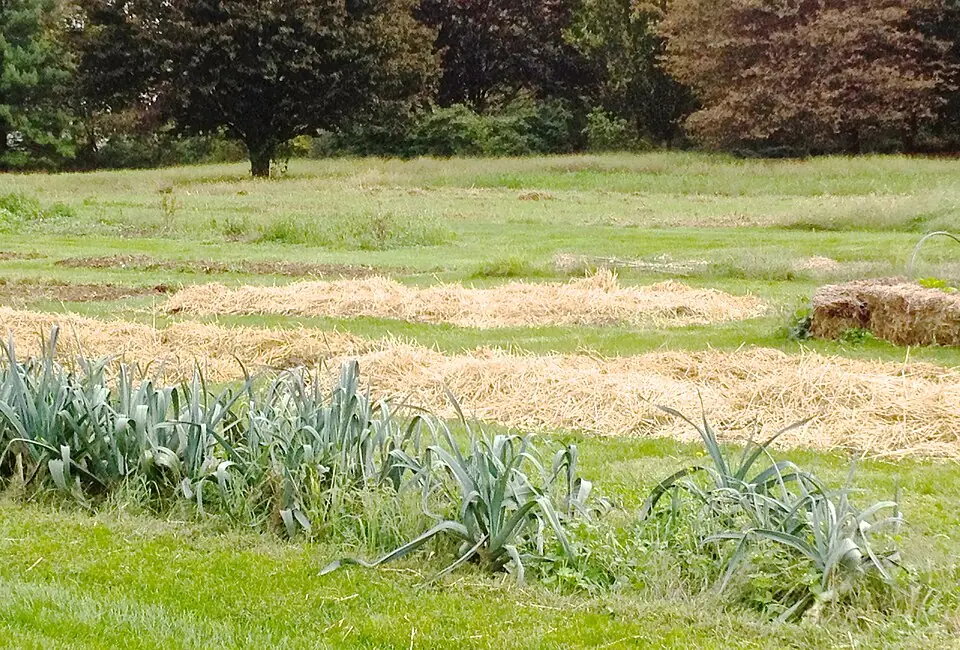
Straw and hay are not interchangeable labels. Hay can contain many mature seeds, while clean straw is more often used as a low seed mulch.
Wood chips make a useful clear boundary when paths and beds have distinct roles. Renew worn walking areas without continually spilling fresh chips into a seed row.
The root flare is the widening area where a tree trunk meets its main roots. It provides a useful reference when judging mulch depth.
The sides of a raised bed do not themselves provide drainage. Water still needs a suitable route through the filled material and the ground below.