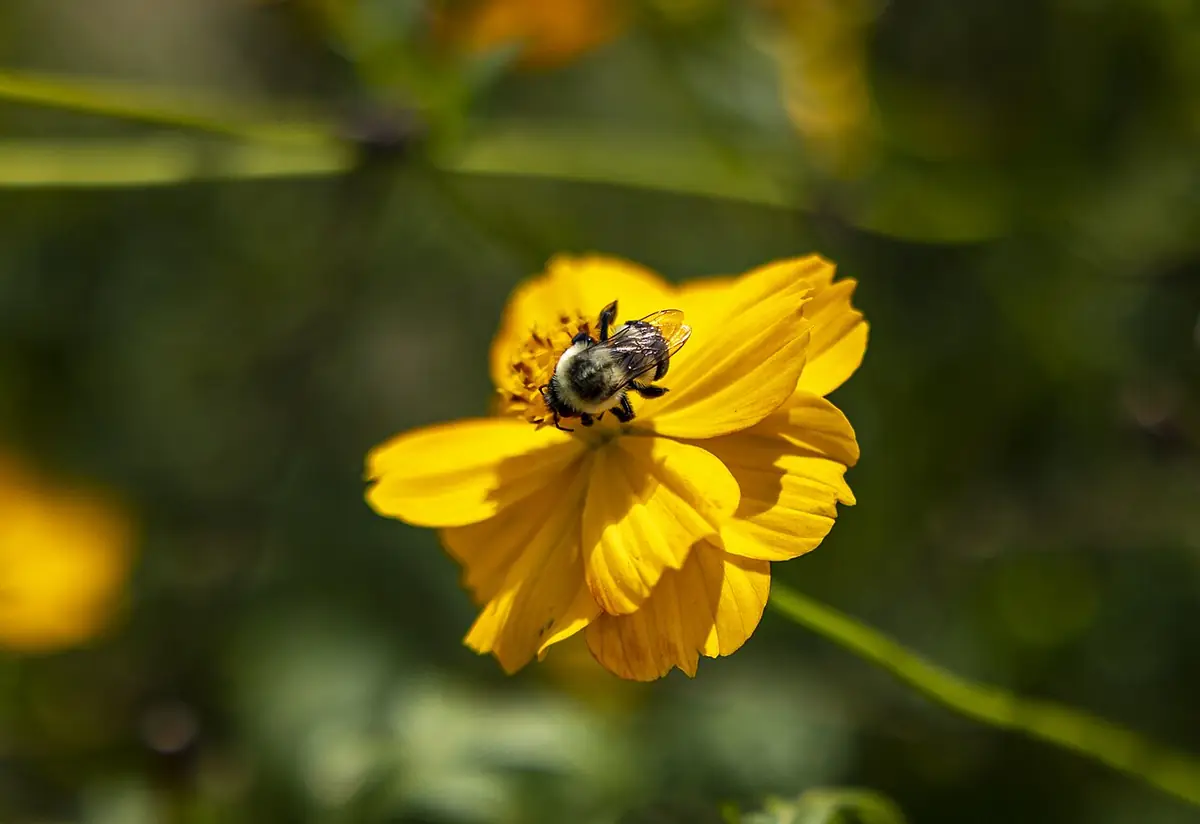
Growing Coreopsis for Summer Color
Read the variety label for height, hardiness and lifespan. Some coreopsis behave as short lived plants even when sold among perennials.
Good growing starts with a little understanding. Find practical ideas for your plants, your patch and your everyday home.
Read the variety label for height, hardiness and lifespan. Some coreopsis behave as short lived plants even when sold among perennials.
Check local hardiness and avoid a low pocket where winter water collects. Set the plant at its original soil depth.
Choose a garden variety suited to your area and confirm its spreading habit. Leave enough space for the mature clump and neighboring root systems.
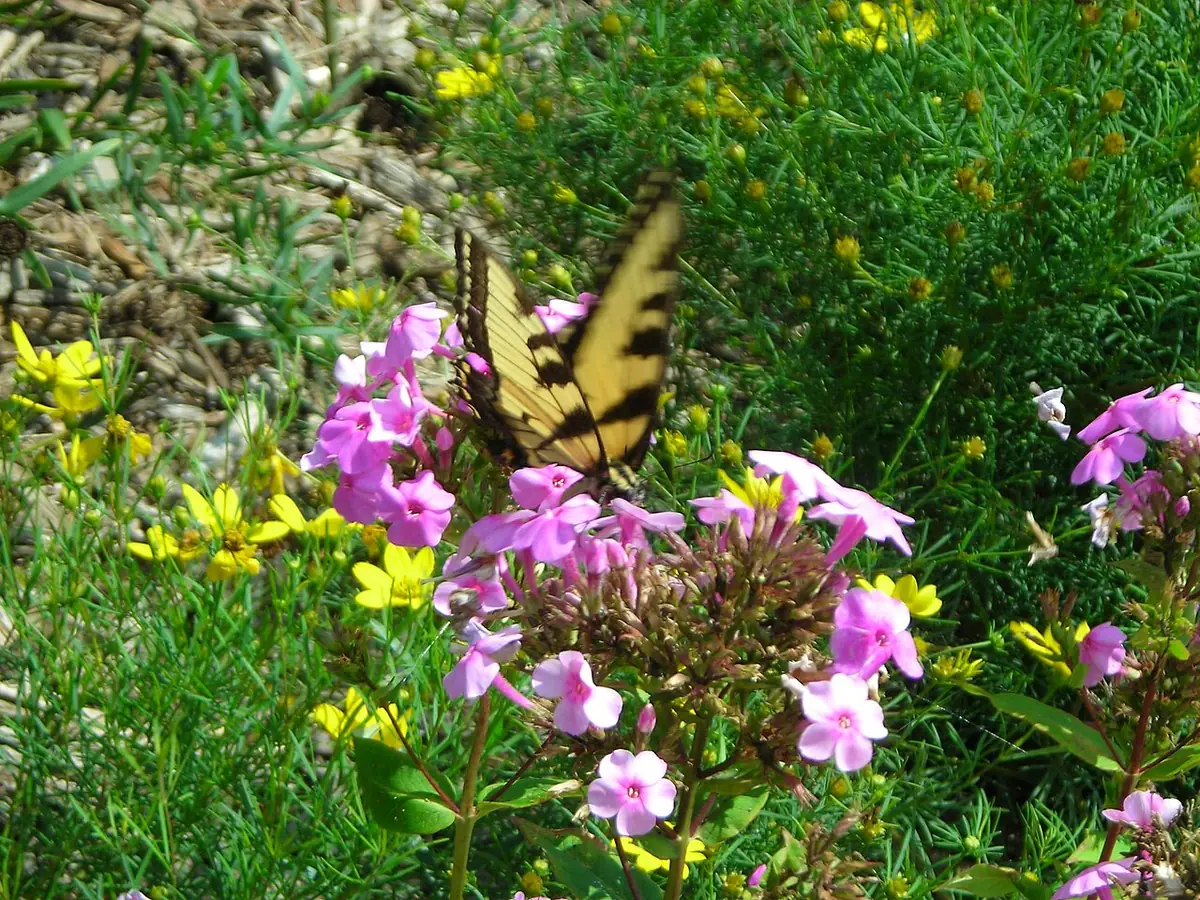
Select a locally suitable tall garden phlox cultivar, allowing the stated spread. Keep the base at the original planting depth.
Match the species and variety to your soil and region. Use the mature height and spread to position plants before the summer border fills.
Choose a named clump forming garden selection or a locally suitable species after checking its spread.
Choose an upright Hylotelephium type rather than a creeping ground cover if you want a rounded late season clump.
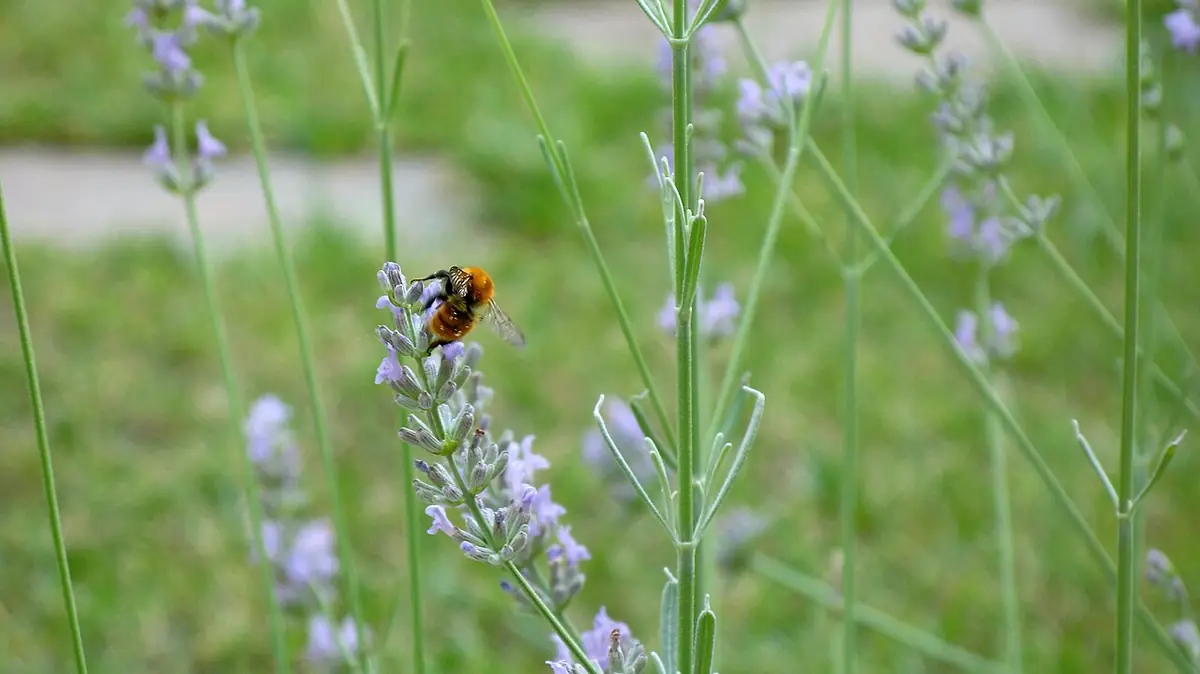
Choose a lavender type suited to local winters and summer humidity. Use a container with a clear drainage outlet where garden soil stays wet.
Confirm the exact verbena because low annual forms and tall perennial forms differ greatly. Plant according to the mature outline rather than the nursery pot.
Choose a species or cultivar for your local climate. Avoid burying the crown, and leave a gap between the stem base and mulch.
Plant healthy corms or young plants at the recommended depth. Match the species to the soil rather than assuming every blazing star prefers identical conditions.
Select a type suited to local summers and plant without burying its crown. Allow the airy stems to rise above lower neighboring foliage.
Place the crown at soil level and avoid covering the growing point. Afternoon shade can help many varieties in a hot exposed garden.
Choose a suitable Pulmonaria and allow space for the mature leafy clump. Plant at its previous depth away from the driest tree roots.
Check local suitability and planting behavior before choosing a variety. Set a young plant where spreading roots will not immediately crowd delicate neighbors.
Select a true hardy Geranium with the light and moisture preferences that fit your site. Leave enough room for its eventual ground covering spread.
Choose a garden pink or other Dianthus suited to local conditions. Set it at its original depth and keep adjacent mulch clear of the leafy base.
Choose dwarf or tall varieties to suit the space and plant sturdy young plants at their recommended spacing.