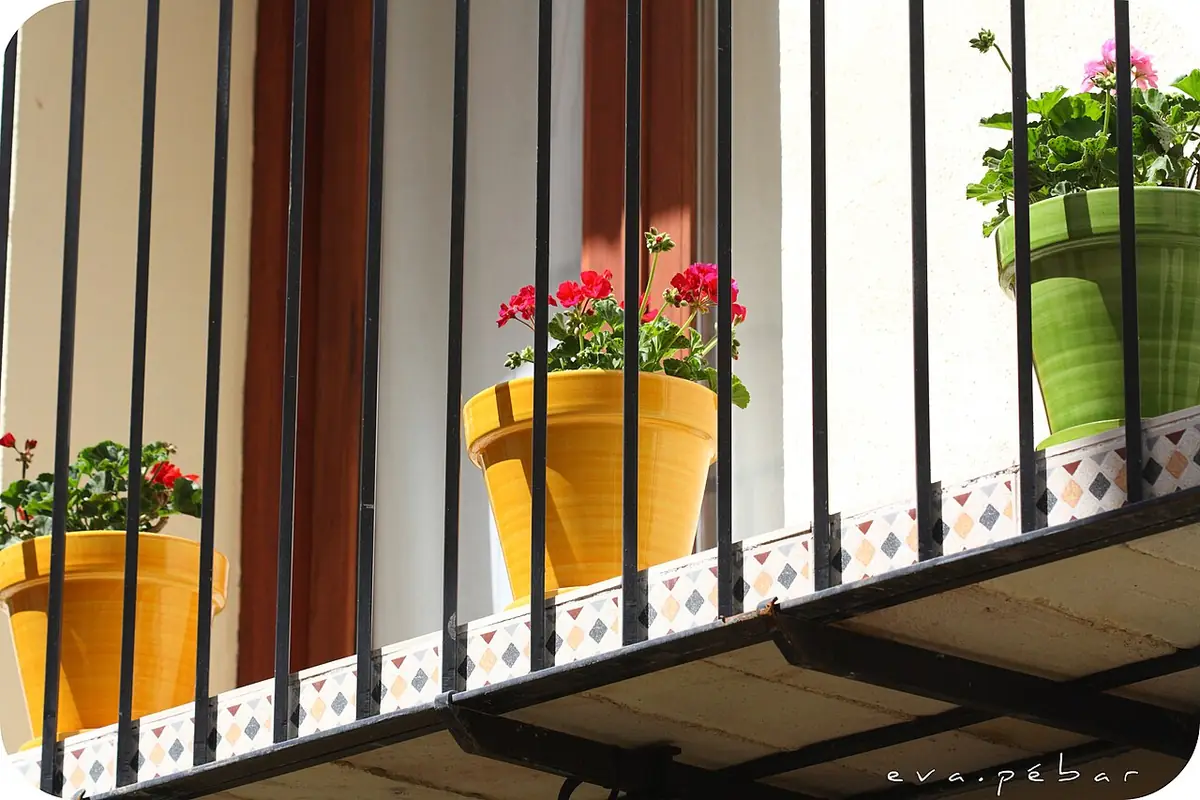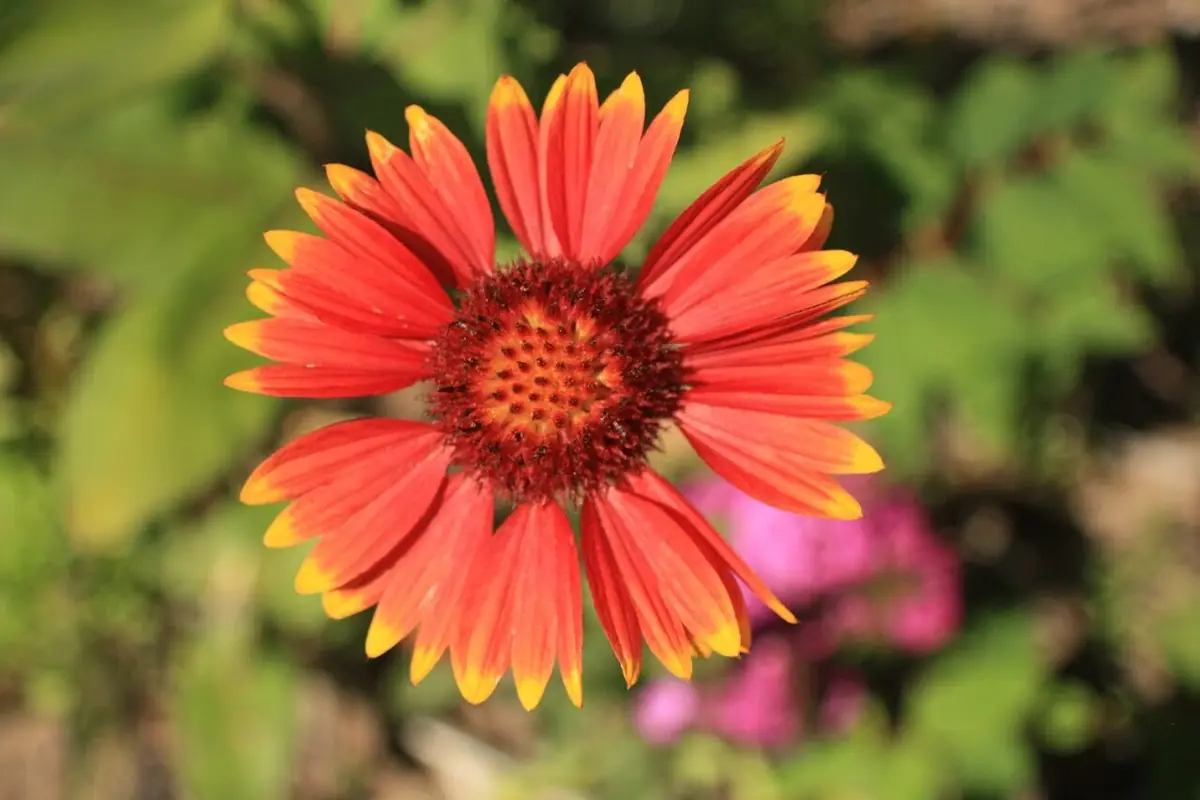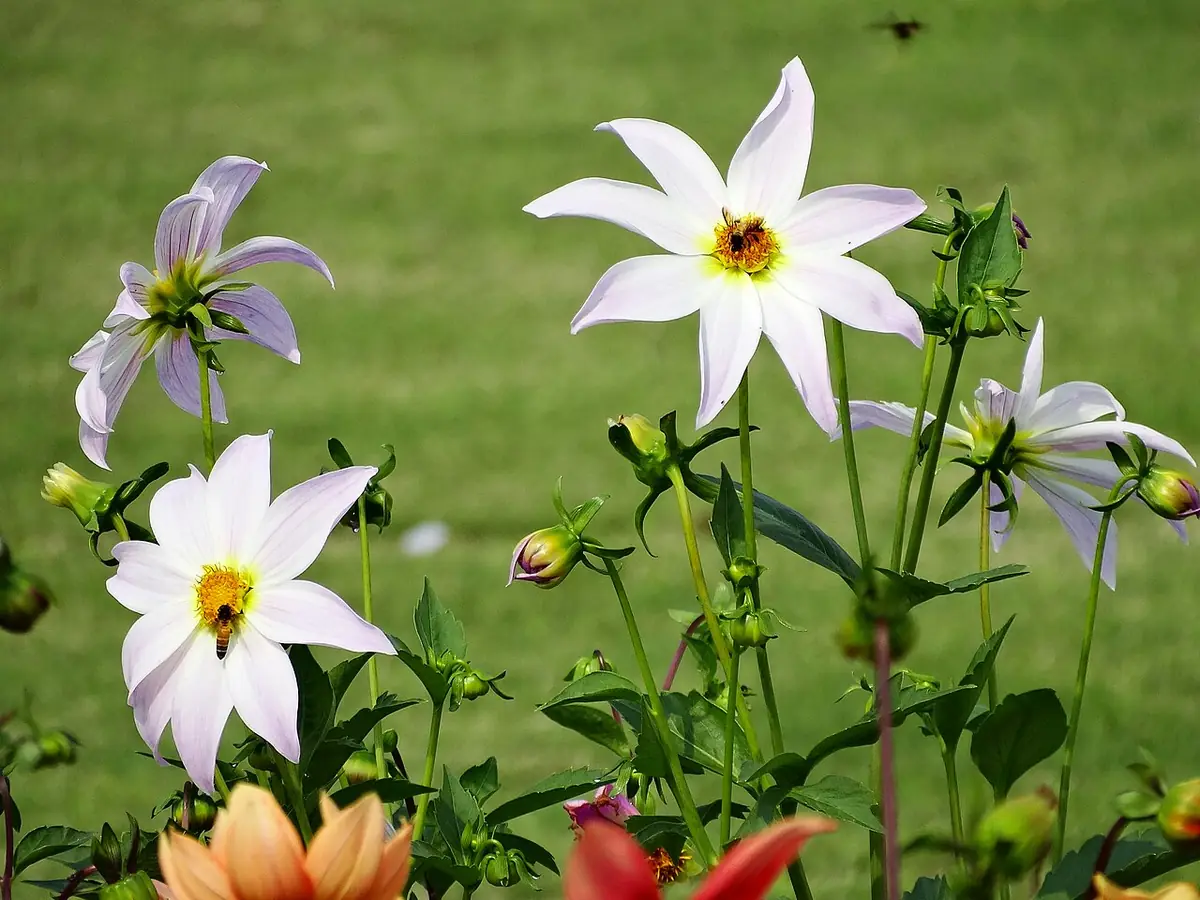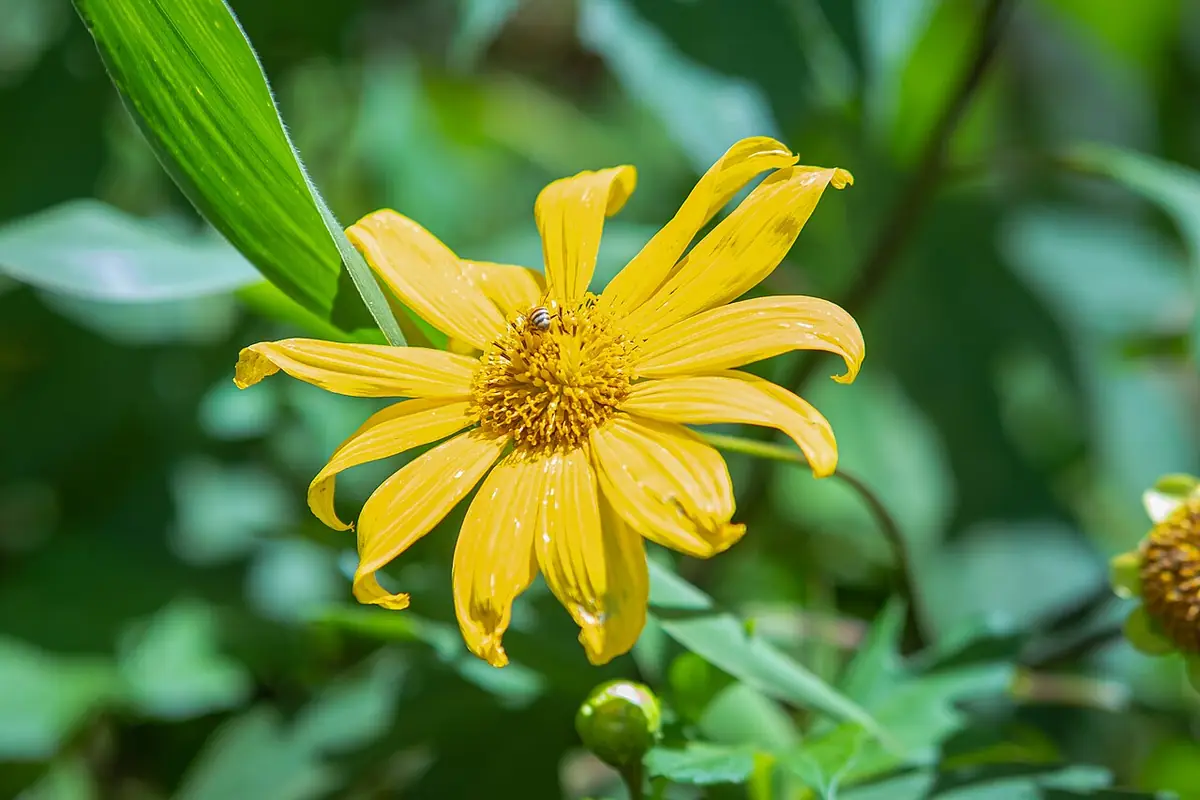
Match the variety to the space because compact French types and taller African types have very different proportions. Plant after local frost danger. Consider how the planting will look at its mature width, not just on the day it goes into the ground. Leave a practical route for reaching the soil and inspecting the base. In a mixed bed, smaller neighboring plants should still receive useful light once the new growth fills out. Keep the original plant label so identification does not depend on flower color alone.
Establish the planting
Prepare the immediate root area without working soil that is saturated or sticky. If the site stays wet after rain, investigate that limitation before planting marigolds; a different position or suitable container may be more realistic than repeatedly replacing a declining specimen. Settle the plant carefully, check the appropriate planting depth for its type and water the root zone so there are no dry pockets around a new root ball.
Water newly planted root balls and surrounding soil. Later, check below the surface and let the top layer begin to dry between waterings. Check below the visible surface before deciding what to do. A sheltered root ball can remain dry while surrounding ground looks damp, and a mulched bed can be moist beneath a pale top layer. Water slowly enough to soak the area roots actually occupy. Let excess drain freely from containers and do not leave a full saucer as a default reservoir.
Support growth and flowering
Remove faded flower heads back to the next leaf or side shoot. This keeps the outline tidy without sacrificing new buds. Make the smallest useful change and look again at the next inspection. Healthy leaves support continuing growth, so tidying should not become an exercise in stripping away every imperfect surface. If you cut stems for indoor use, consider the remaining plant as well as the stems being taken. Use suitable clean tools and avoid pulling at stems that could loosen the crown.
A plant that wilts while its pot remains wet needs a drainage check. Repeated watering cannot solve oxygen starved roots. Compare the affected growth with the rest of the plant and with a similar specimen in another position if one is available. Check moisture, drainage, light and spacing before buying a product. When symptoms continue or are difficult to identify, use a local extension service or a reliable horticultural reference with the correct plant name rather than guessing from a single discolored leaf.
Use marigolds for their flowers and scale. Their presence is not a reliable substitute for observing other plants or managing growing conditions. Keep any supports and container positions stable, with enough space to move through the garden without brushing flowering stems. A plant that repeatedly needs rescuing from the path may be the wrong size for the gap. Adjust the design while it is manageable instead of relying on severe cutting to keep a naturally broad plant permanently narrow.
Plan for the developing display
For the next season, note how marigolds responded to this particular position and care routine. Record when flowering begins and ends relative to other plants, whether the root zone dried quickly and whether the mature outline fitted the space. Leave sound stems or selected seed heads only where they suit the plant, local habitat guidance and safe access. A small well observed planting is easier to improve than a crowded collection with no room to inspect individual plants.