A dry looking surface is a reason to check below it, not an automatic instruction to water. Sun and moving air can dry the top of a pot or bed while roots remain in moist soil beneath. Push a finger gently into an accessible part of the root zone, or use a suitable narrow probe where access is difficult. Compare the result with the plant's needs, pot weight and recent conditions before deciding what to do.
Locate the useful checking depth
Choose a checking depth that relates to the roots you are caring for. A newly sown tray has roots close to the surface and cannot be treated like an established shrub. A large container may have a dry upper layer while its lower part is still wet. Do not drive a tool deep through the center of a plant to reach an arbitrary number of inches. Check from a clear edge and avoid repeated damage to fine roots.
In a garden bed, take readings in several representative places. Soil beneath mulch may be damp while an exposed corner is dry. A position beside a path or roof runoff may not represent the whole planting. Different textures also feel different: gritty soil and smooth clay cannot be judged by identical surface appearance. The purpose is to understand the patch supplying the roots, rather than finding the wettest or driest handful available.
Interpret the evidence together
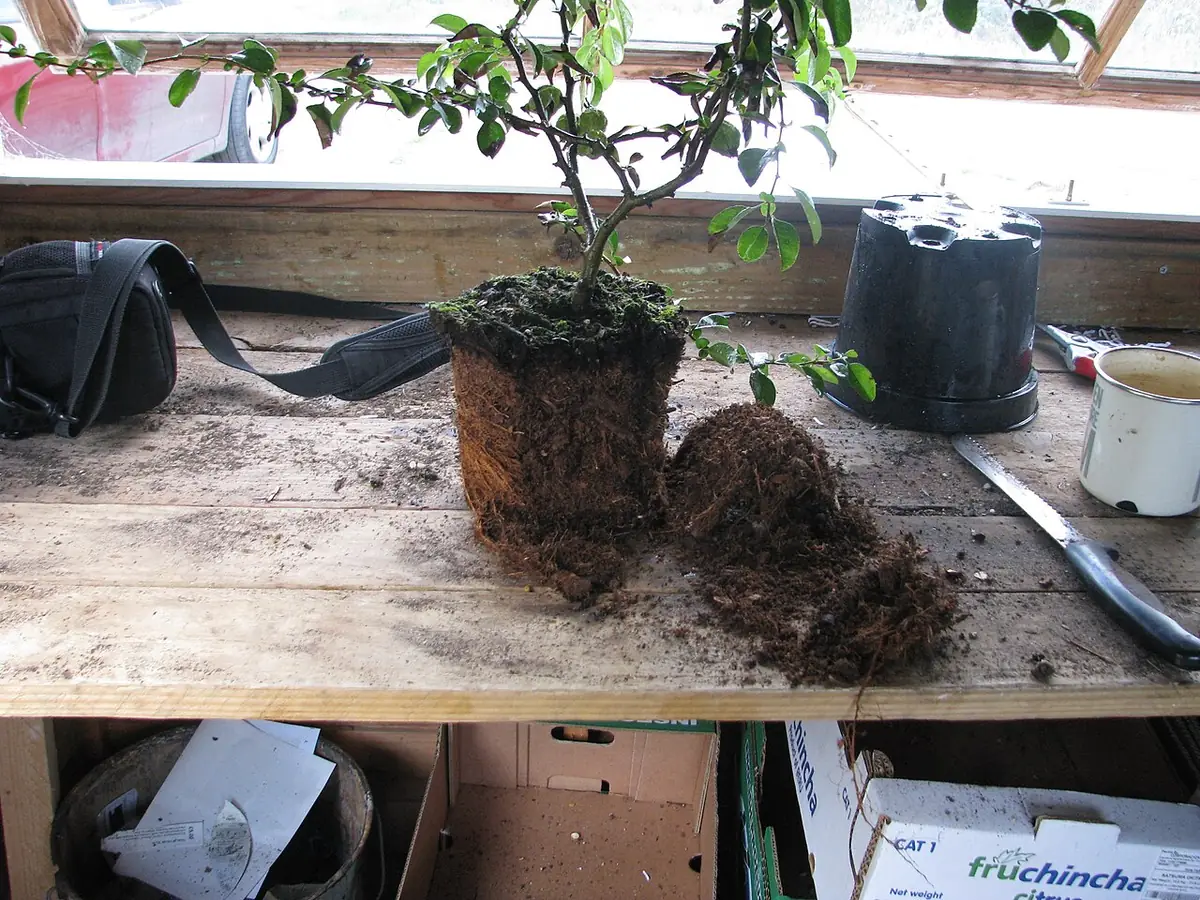
In pots, compare the original nursery root ball with newly added mix after planting. Water can move unevenly between materials, leaving one section dry and the other wet. A decorative cover should be removed so you can see whether water has collected below. If the pot is safe to lift, its weight can become a useful second clue after you have learned how it feels when watered and when approaching dryness. Use safe handling for large or awkward containers.
Inexpensive moisture meters can add information, but their readings depend on placement, contact and the medium. They should not overrule every other observation or replace checking the drainage. Keep the probe clean and use it as directed. A reading near the surface does not describe the bottom of a deep pot, and a probe pushed into an air gap can mislead. Look for agreement between several clues before changing a successful routine.
If the root zone is dry enough for that plant, water slowly so moisture reaches the intended depth and drains where appropriate. Return to check that water entered the mix rather than running off or escaping down a side gap. If the root zone is still wet, wait and inspect again instead of adding a little water to satisfy the calendar. Repeated small applications can keep a surface damp while never correcting uneven moisture below.
Turn checks into a workable routine
Use leaf symptoms as part of the assessment without treating them as a moisture gauge. Wilting can occur in dry soil, with damaged roots in wet soil or temporarily during intense heat. Yellow leaves also have several possible causes. Record the state of the root zone when symptoms appear, along with the weather and whether the plant recovers later. That information makes a future diagnosis much more useful than a photograph of one leaf alone.
Set reminders for inspection rather than automatic watering. Check small seed trays and exposed summer containers more frequently than established plants in cool sheltered positions, adjusting to what you observe. During a change in season, repeat comparisons until the new drying pattern is clear. The goal is not to measure every pot endlessly. It is to develop a reliable understanding of the conditions under which each group of plants actually needs attention.