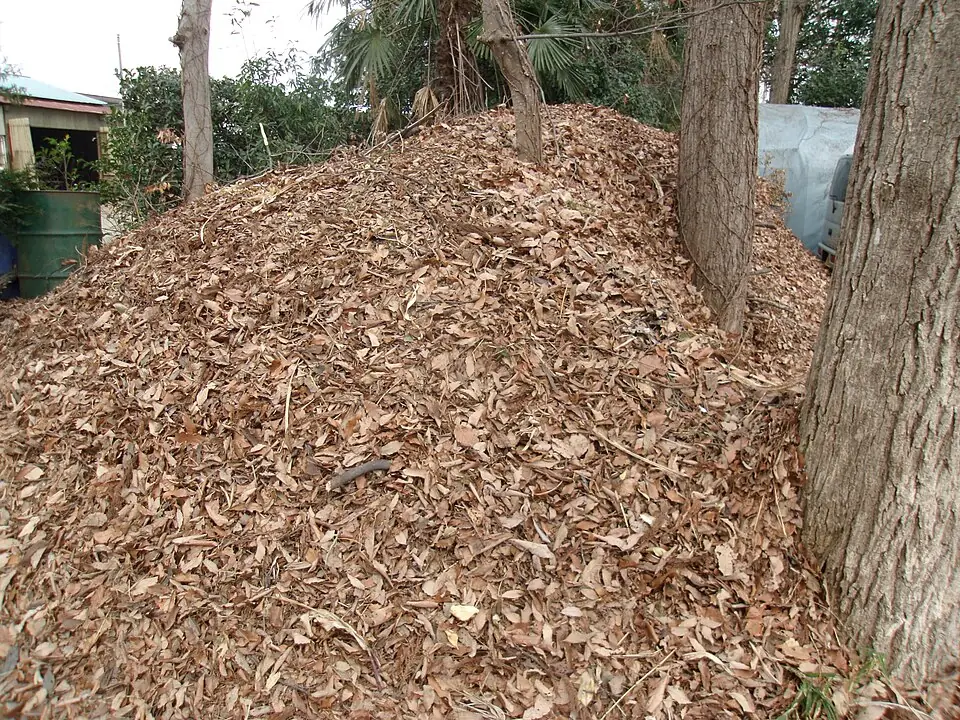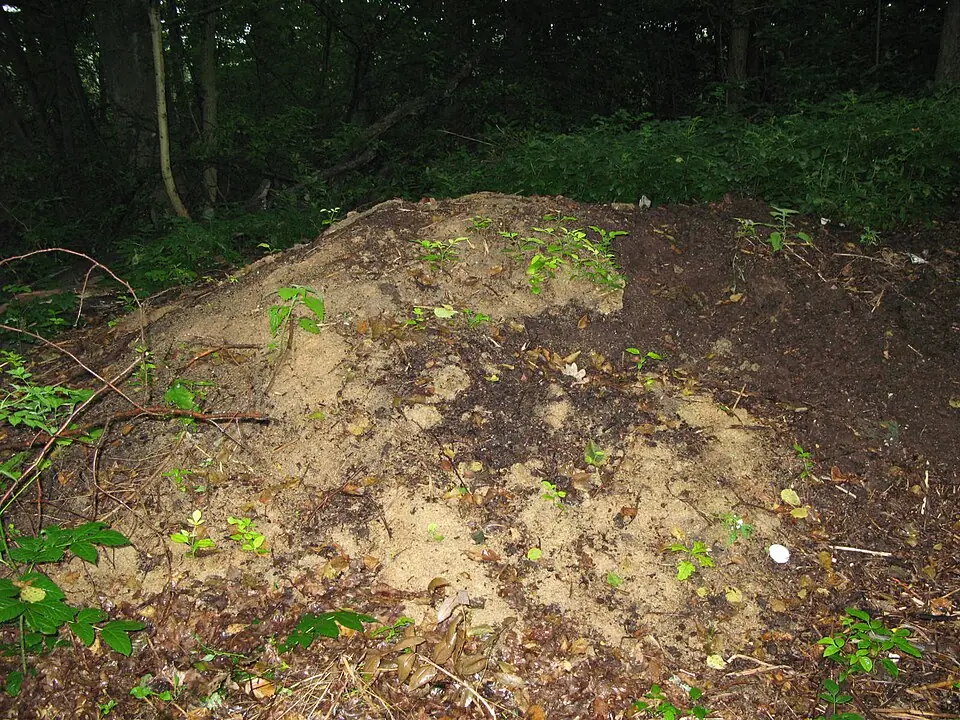
Compost is ready for ordinary garden use when most starting material has broken down into a dark, crumbly material with an earthy smell and the active heating stage has finished. Time alone is not a reliable test. A small cool heap can take much longer than a well managed hot one, and a dry pile can pause without becoming finished. Inspect its condition and think about where you intend to use it before emptying the bin.
Separate age from maturity
Take material from more than one part of the pile. The outer edges may still contain dry leaves while the center is much further along. Recognizable woody pieces are not unusual and can be sifted out for another cycle, but substantial fresh scraps suggest unfinished areas. Wear gloves and avoid raising dust while handling material. Do not assume a dark color alone proves maturity; wet undecomposed material can look dark while still smelling sour or unpleasant.
Notice whether the pile reheats after turning and moistening. Renewed heating suggests that active decomposition is still occurring. A pile at outdoor temperature may be finished, but it may also be too dry, too small or missing a workable balance of ingredients. Examine texture and odor alongside temperature. A thermometer is useful for following activity, but a single cool reading cannot establish that all parts of a home heap are ready.
Check the material and its intended use
Unpleasant sour or rotten odors often point toward overly wet, airless conditions. Add suitable dry bulky material and restore airflow rather than hiding the smell under more kitchen scraps. A very dry heap needs gradual moisture and mixing. The useful aim is a damp, aerated environment rather than a saturated mass. After correcting the conditions, allow decomposition to continue and reassess. There is no need to rush questionable material into a seed bed.
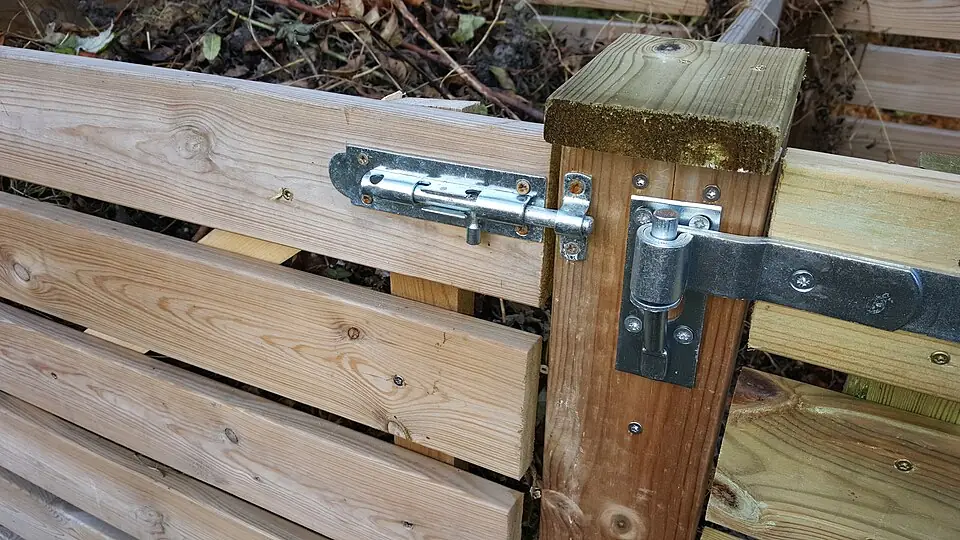
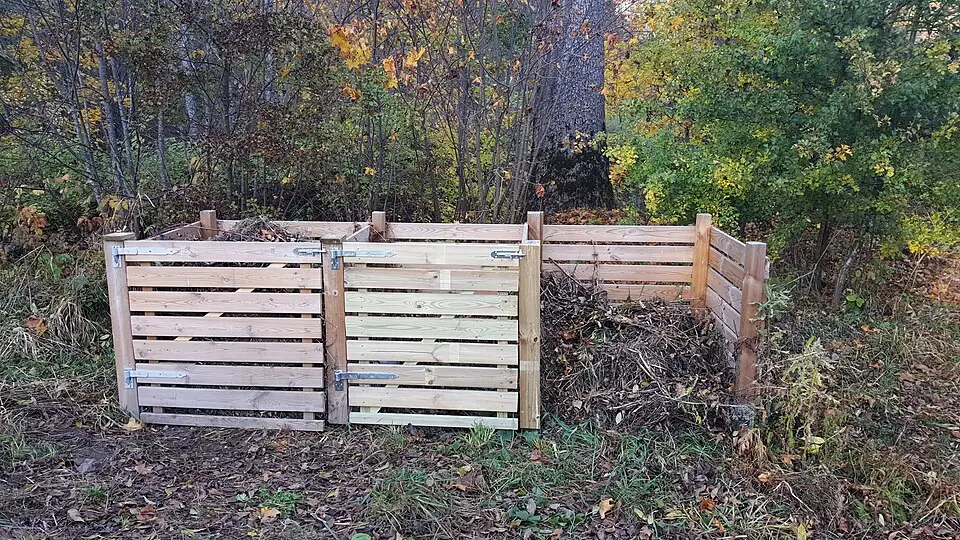
Let finished material cure separately when practical, especially after a hot active stage. This gives the pile time to stabilize and makes it easier to keep fresh additions out of the portion you plan to use. Label or separate bins so a nearly finished batch does not receive new scraps every day. A continuing feed of fresh material is one reason a single mixed bin can be difficult to empty as one uniformly mature product.
Match the intended use to the quality of the compost. Established garden beds are different from seed trays and small containers. Home compost is generally a soil amendment, not a guaranteed complete growing medium or a sterile seed starting product. Do not assume that it supplies every nutrient in the required proportion. If the bed already has high nutrient levels, more compost is not automatically better. Use local soil guidance to decide how much is appropriate.
Use finished compost in context
A small plant growth comparison can reveal an obvious problem, but it cannot certify freedom from pathogens, weed seeds, herbicide residues or other contaminants. Use known suitable inputs and exclude materials that your composting system cannot handle reliably. Ordinary home heaps do not heat every part consistently. Material from plants with a serious disease problem may need a disposal route recommended locally rather than being returned to a new bed through uncertain home composting.
Keep notes on the inputs, turning and moisture so you can interpret the finished result. If a batch still contains abundant soft scraps or develops an offensive smell when wetted, give it more attention and time. Store usable compost so it does not become waterlogged or mixed with fresh waste. A modest amount of genuinely stable material applied thoughtfully is more useful than a large hurried application made simply because the gardening season has arrived.