Sifting Compost Without Wasting Coarse Pieces
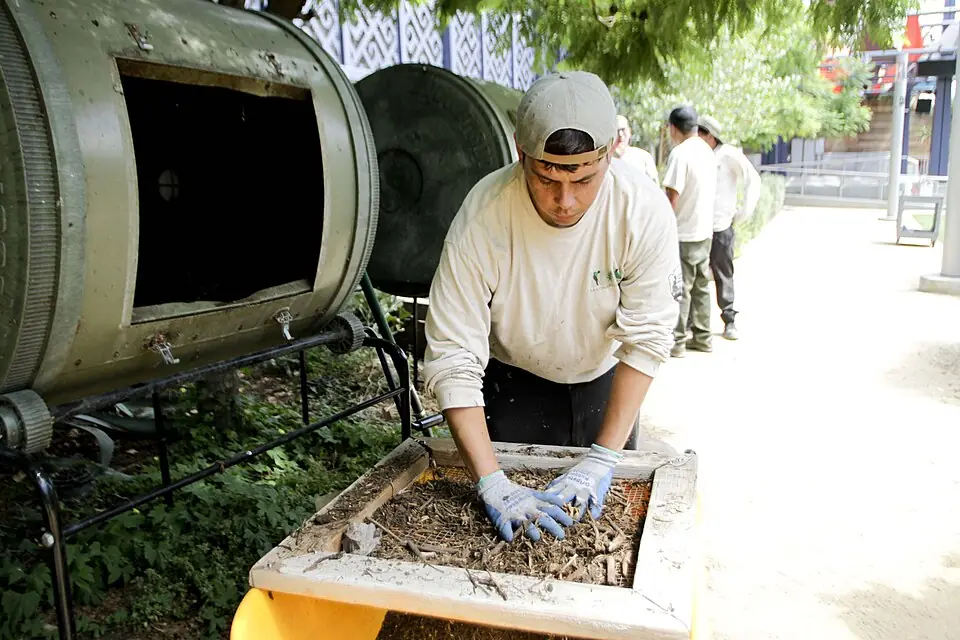
Choose a sieve mesh for the intended use rather than aiming for the finest possible compost. A surface dressing around established plants can tolerate more texture than a delicate propagation medium.
Understand the foundations beneath your plants, from drainage to everyday compost care.
Choose a sieve mesh for the intended use rather than aiming for the finest possible compost. A surface dressing around established plants can tolerate more texture than a delicate propagation medium.
Product names differ between regions, making the stated purpose more reliable than the word compost alone.
Top dressing should leave the plant itself recognizable. A growing crown or root flare should not disappear under repeated annual layers.
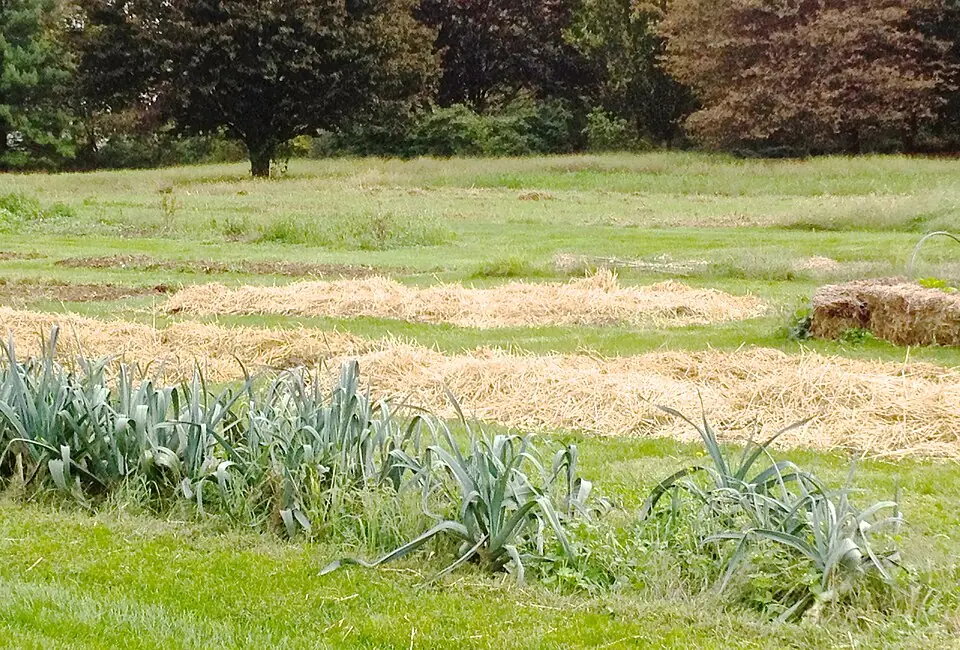
Straw and hay are not interchangeable labels. Hay can contain many mature seeds, while clean straw is more often used as a low seed mulch.
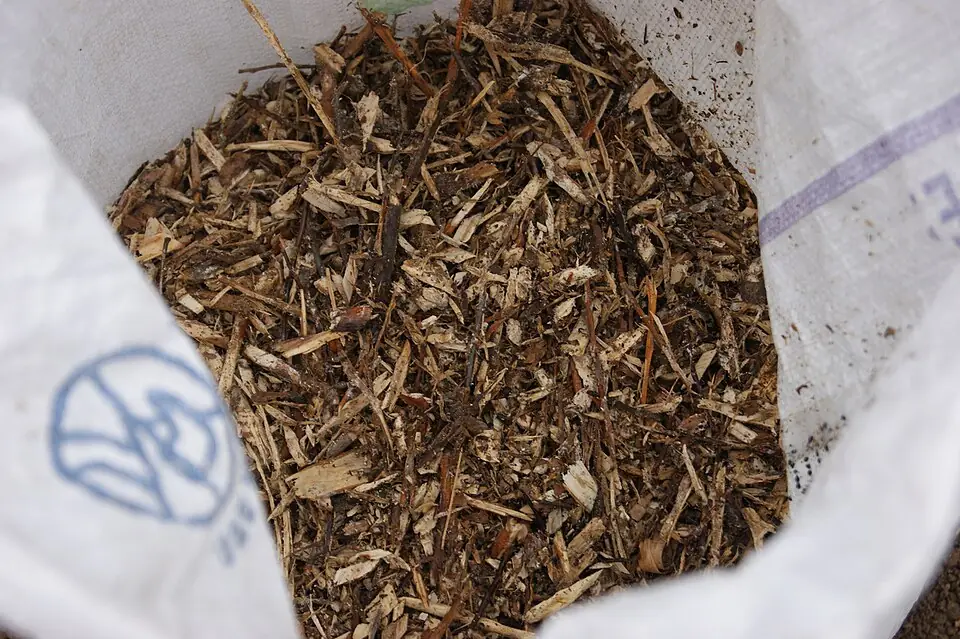
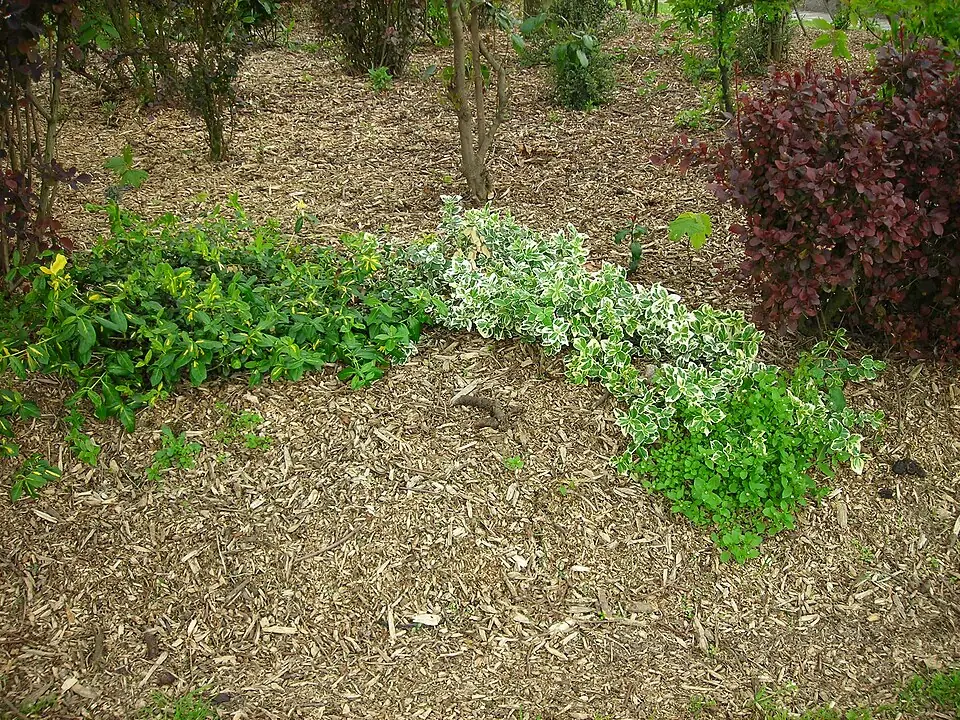
Wood chips make a useful clear boundary when paths and beds have distinct roles. Renew worn walking areas without continually spilling fresh chips into a seed row.
The root flare is the widening area where a tree trunk meets its main roots. It provides a useful reference when judging mulch depth.
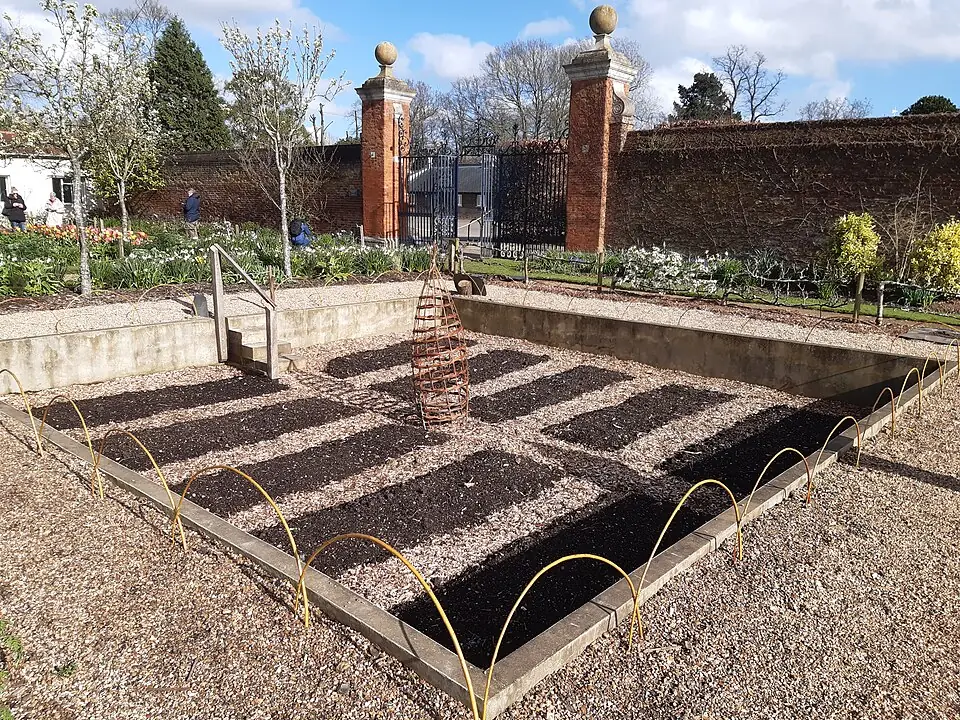
The sides of a raised bed do not themselves provide drainage. Water still needs a suitable route through the filled material and the ground below.
Normal settling is not proof that the contents have become useless. Roots decomposition and repeated watering can lower the level without requiring removal of all existing soil.
The next crop helps determine how much preparation is necessary. A large transplant needs an accessible planting hole, while a fine direct sowing needs a more even shallow surface.
Winter soil protection should fit drainage as well as temperature. A deep wet covering over an already saturated bed can delay spring work.
Cover crops are selected for a job and a schedule. Before sowing, identify when the following crop must enter the bed and how the cover will be ended using the tools you have.
Plants suited to existing pH are often easier to maintain than plants requiring continual correction.
Check moisture in the active root zone and compare more than one spot. Surface color alone cannot tell you whether a plant needs water.
Runoff is a sign that the application is outpacing infiltration or that the surface has a separate structural problem.
Small seeds have limited energy to push through a hardened crust. A finely prepared but structurally fragile surface can seal after heavy rain.
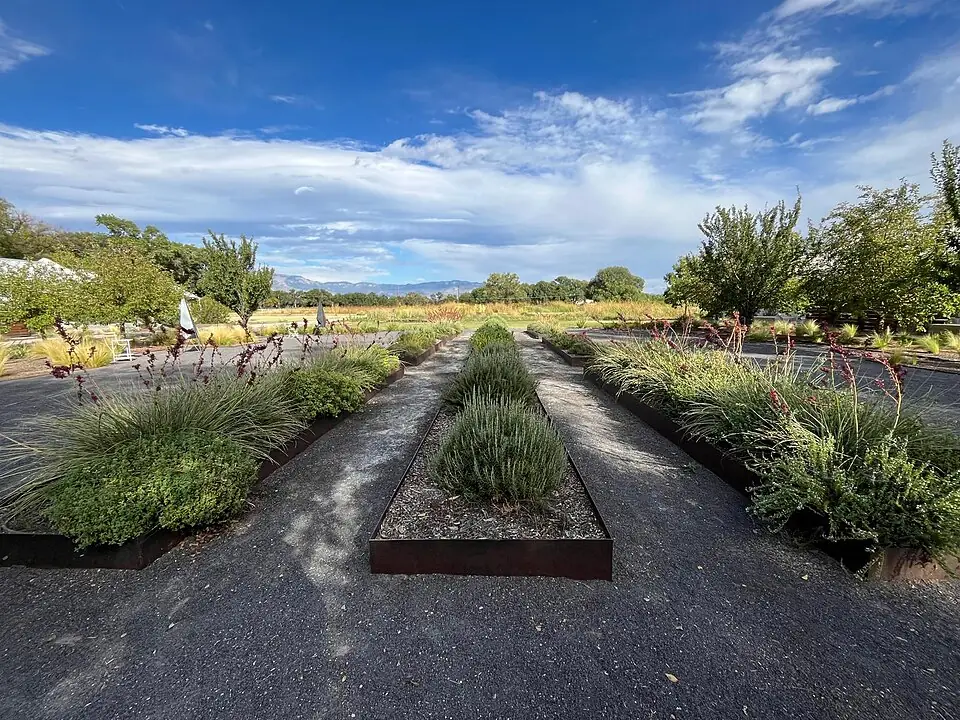
Reach is a design measurement worth testing in person. Stand in the future path and see whether you can reach the center without leaning heavily on the bed edge.
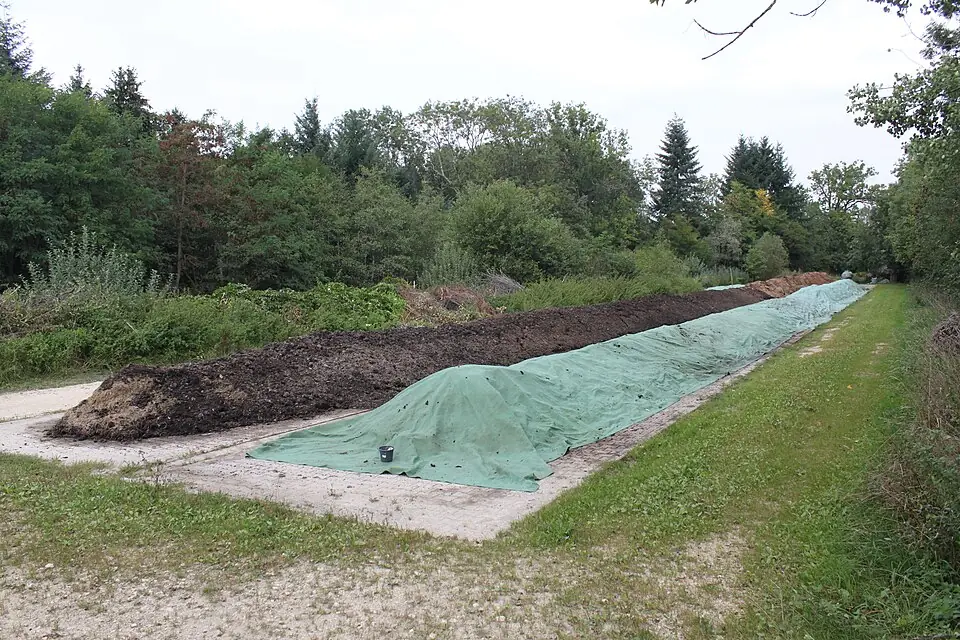
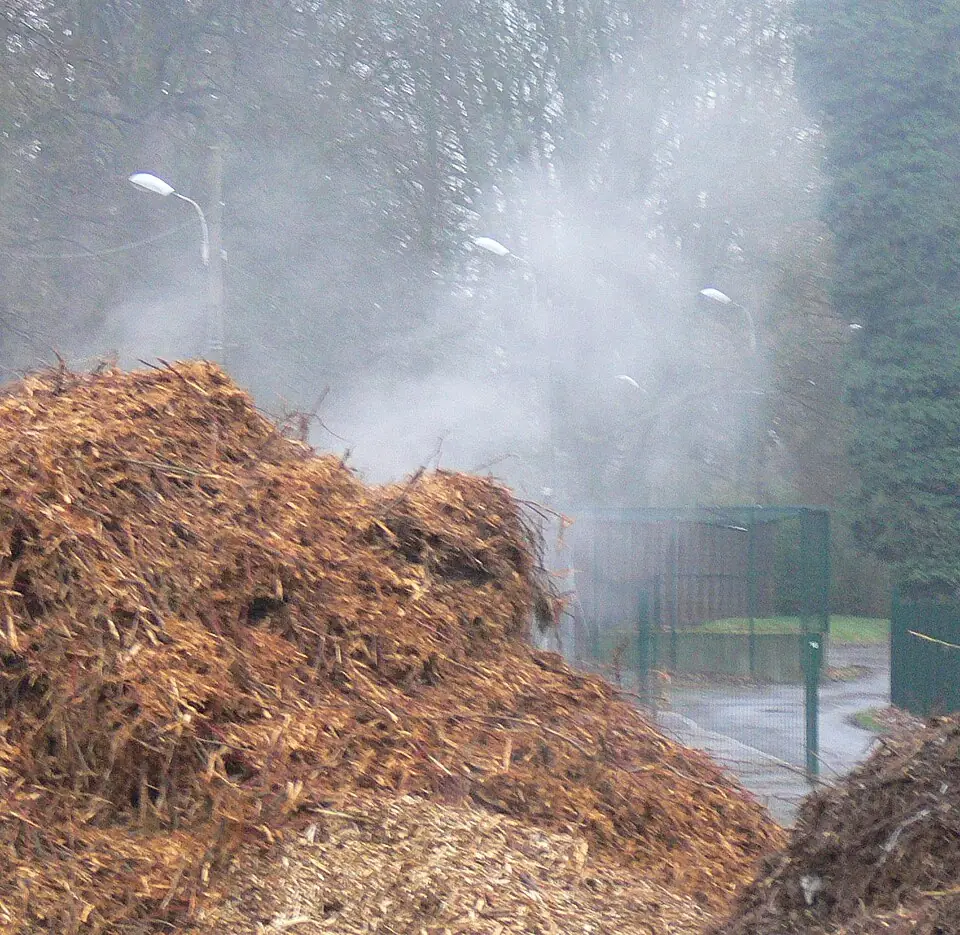
The word hot does not prove that every part of a heap reached a sanitizing condition. Home piles have cooler edges and uneven moisture, and many are not monitored at all.
Count overlapping sources when reviewing nutrients. A bed may receive compost a general feed and a separate liquid product even though each addition seems modest in isolation.