Reading Your Garden Soil by Hand
Texture influences how a soil behaves, but structure describes the way its particles are arranged.
Understand the foundations beneath your plants, from drainage to everyday compost care.
Texture influences how a soil behaves, but structure describes the way its particles are arranged.
Watch where incoming water originates before improving a bed. Roof runoff a nearby slope or a compacted path can repeatedly add water to one location.
Read the laboratory recommendations for your intended crop and local soil. Do not add lime or fertilizer just because a result looks unfamiliar.
Sampling depth can change what a laboratory result means. Use the requested depth consistently and avoid scraping only loose material from the surface.
Sandy beds often need attention to the timing of water rather than the force of each application. Apply water slowly enough to wet the root area and check where it reached.
Clay is not automatically infertile soil. Its challenge in many gardens is restricted air and slow drainage when wet, followed by a hard surface when dry.
Compaction commonly appears at entrances turning points and places where a gardener stands to reach a wide bed.
Finished compost contributes organic matter and a variable amount of nutrients, depending on its ingredients and process.
Look for a stable, earthy, crumbly material rather than using compost solely because a certain number of months has passed.
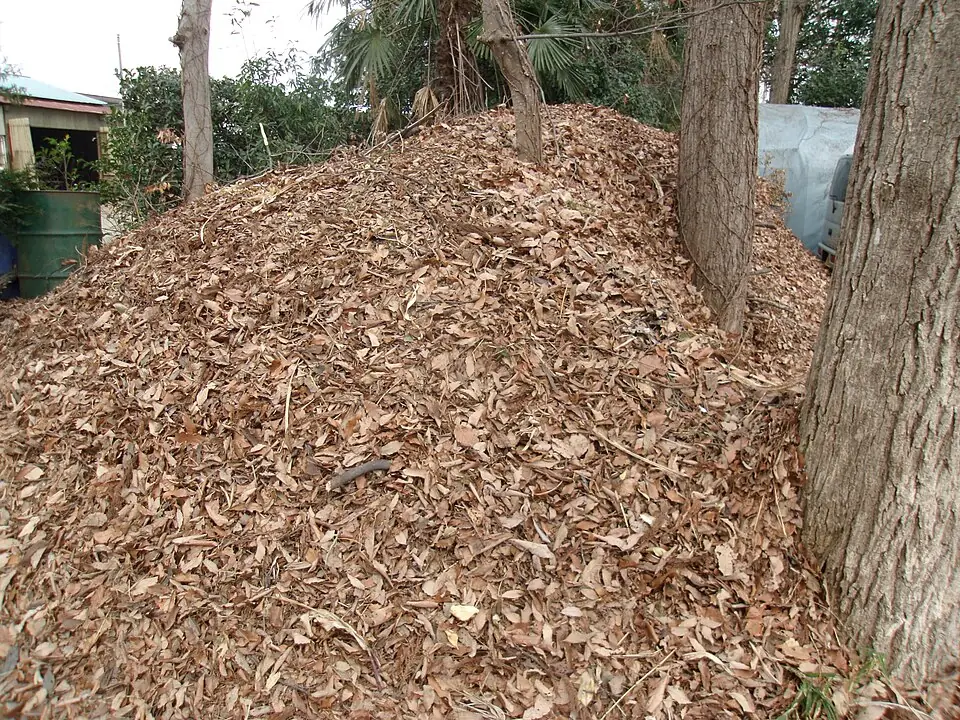
Dry leaves create useful structure between wet kitchen plant scraps and fresh clippings. Store a clean supply where it remains available when the wet ingredients arrive.
Rain falling on the top does not prove that moisture reached the center. Open a small section and inspect the actual material.
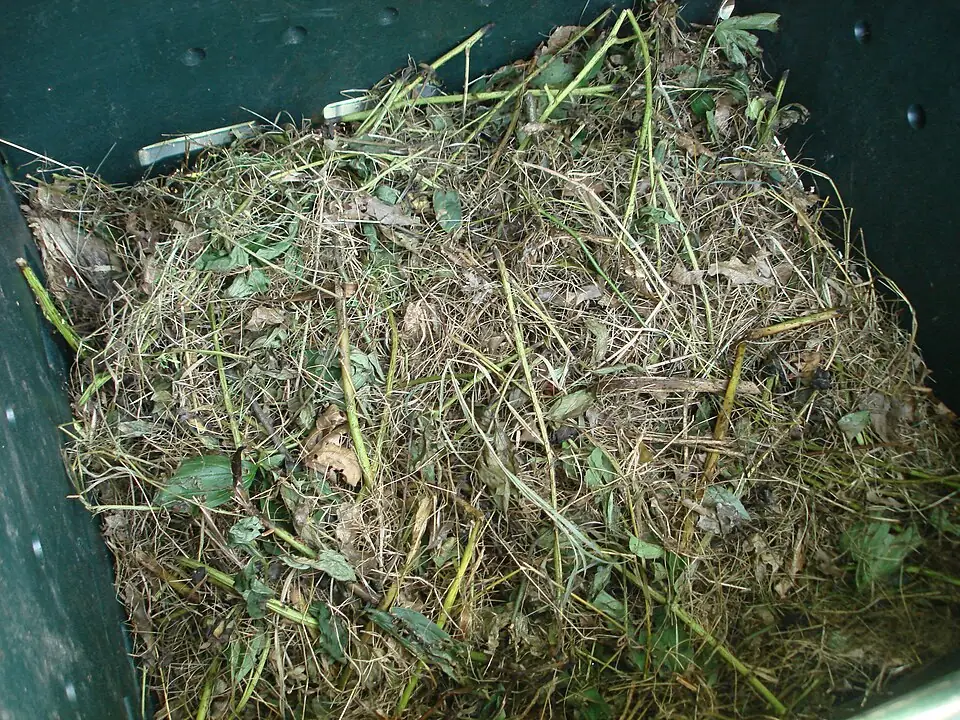
Aeration is easier when the material has a mixture of sizes. Long unbroken stems can leave large voids while dense grass mats exclude air altogether.
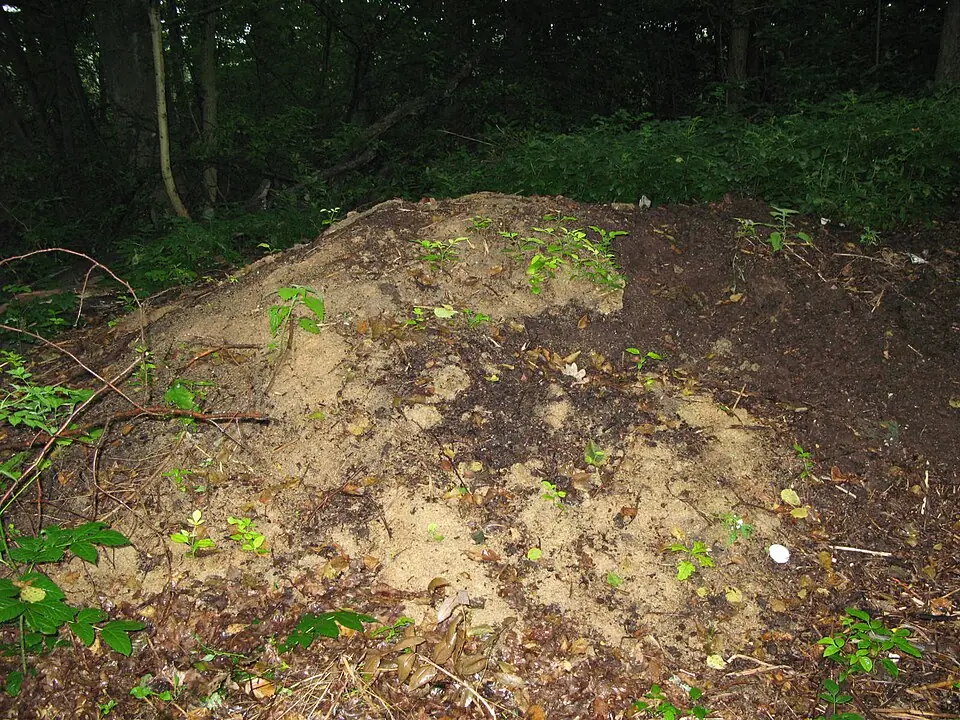
A cold heap is useful precisely because it can work slowly with limited intervention. Match expectations to that process.
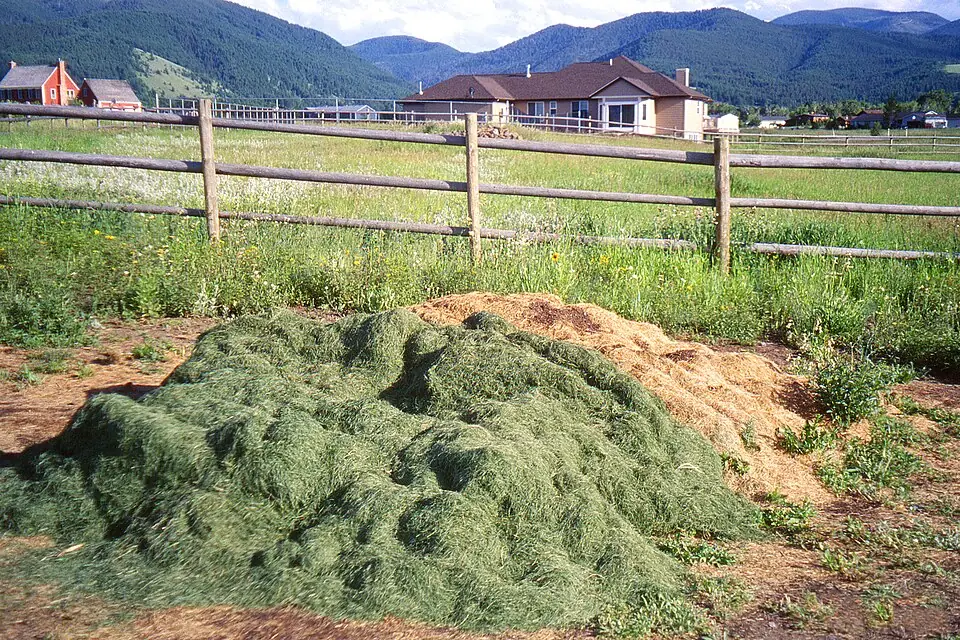
Grass clippings arrive in large wet batches after mowing, which can exceed the capacity of a small compost bin.
Leaf mold and mixed garden compost are different materials. Clean leaves can break down through a slow fungal dominated process without being combined into a hot mixed heap.
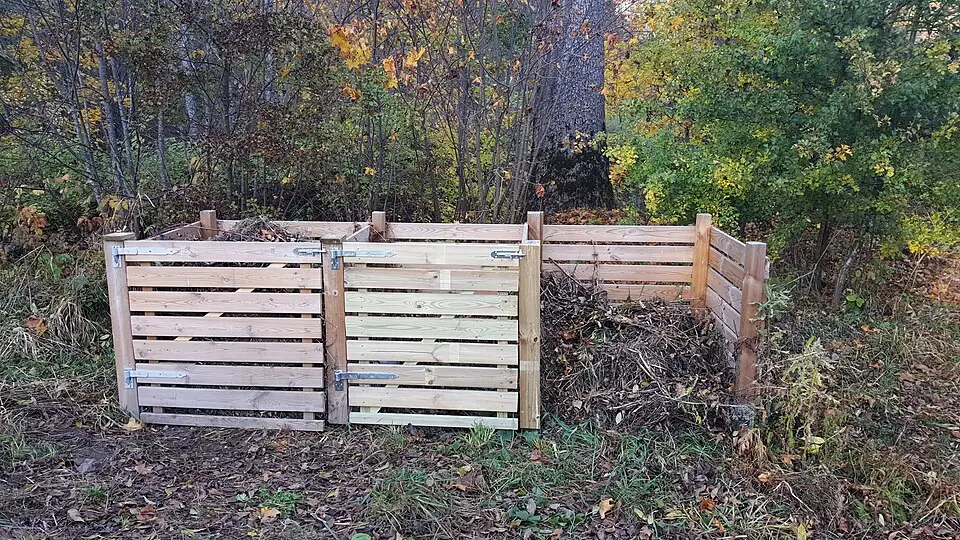
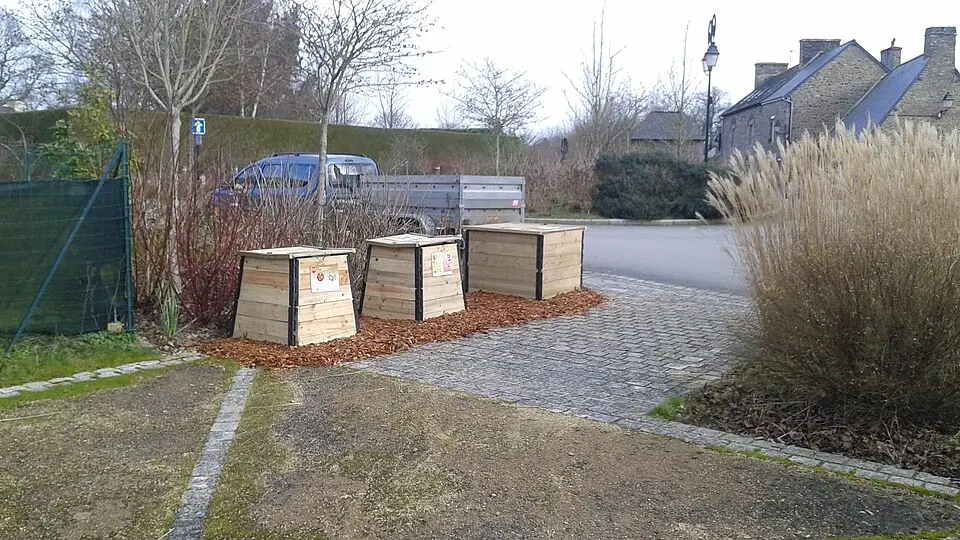
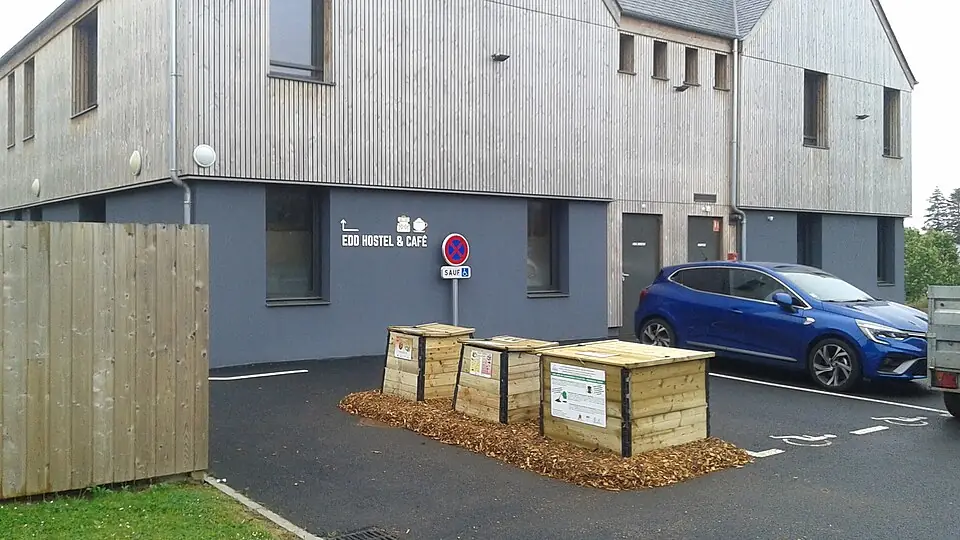
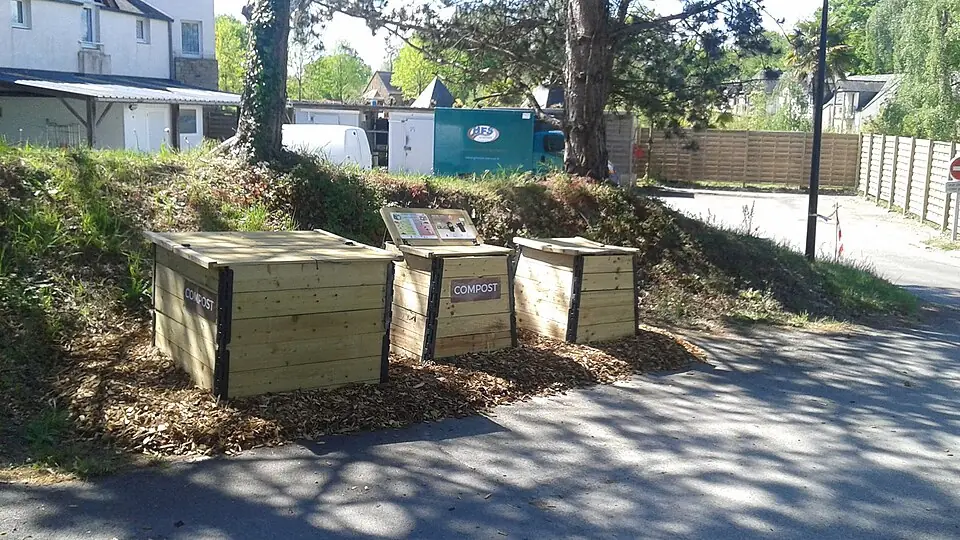
The best bin position includes the route used in bad weather. A bin that can only be reached across a slippery muddy strip is unlikely to receive careful balanced additions.
When a heap is dry throughout, a cover can preserve moisture after the material has been rewetted. Covering a dry heap without adjusting the interior simply preserves dryness.
The source of excess water may be the ground under the bin rather than rain through the lid. Check the base after a wet period before repeatedly adding more dry material.