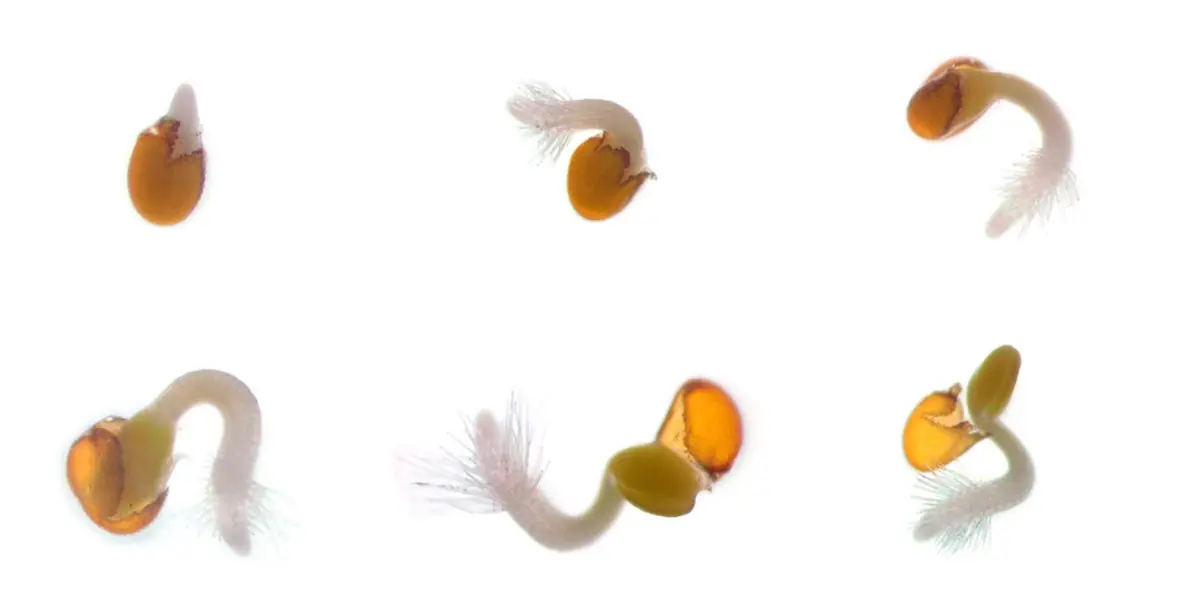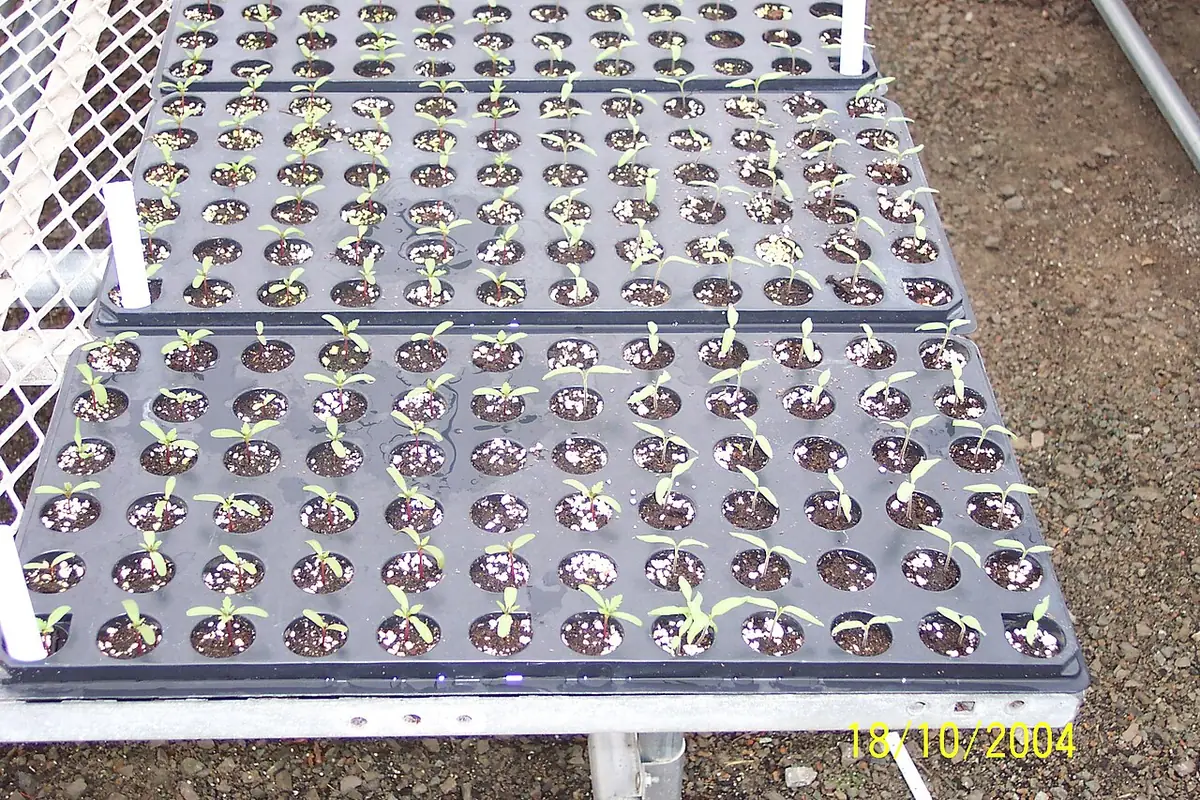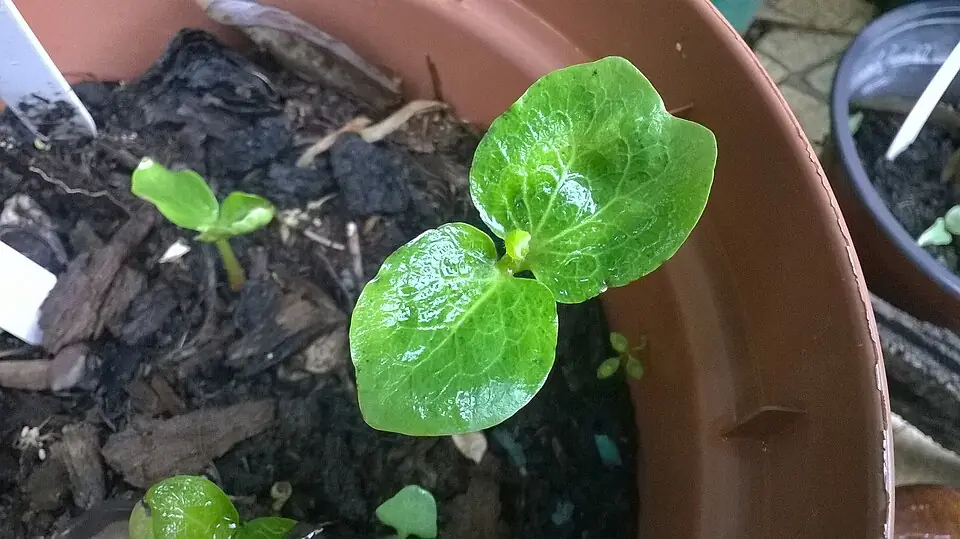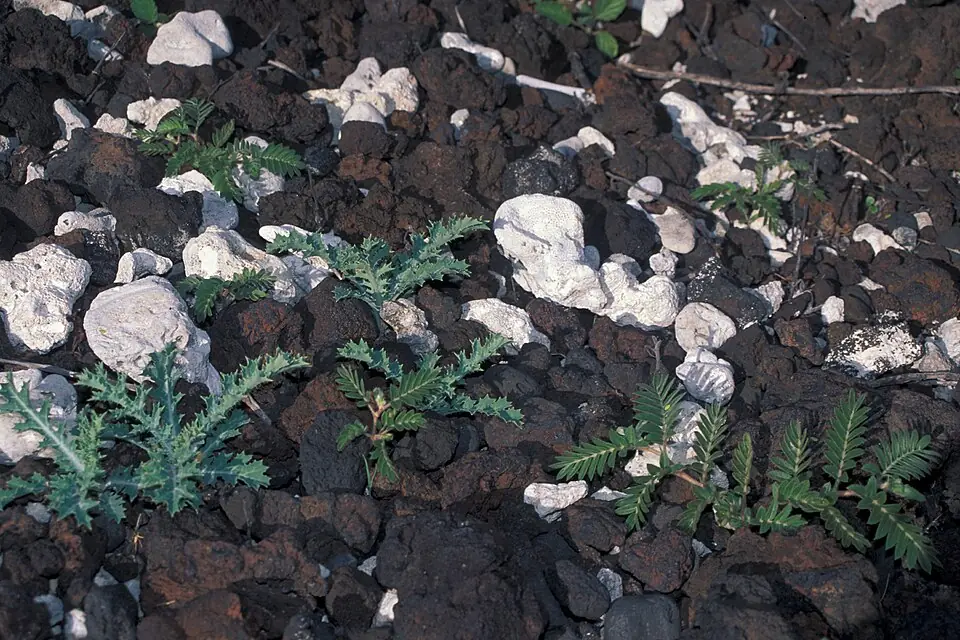
Reading a Seed Packet Before Sowing
Packets may describe spacing for mature plants even when a crop can also be grown densely for baby leaves.
Start something new with patient sowing, healthy cuttings and useful observations.
Packets may describe spacing for mature plants even when a crop can also be grown densely for baby leaves.
Carrots and parsnips illustrate why root habit matters: their taproots are easily distorted by disturbance.
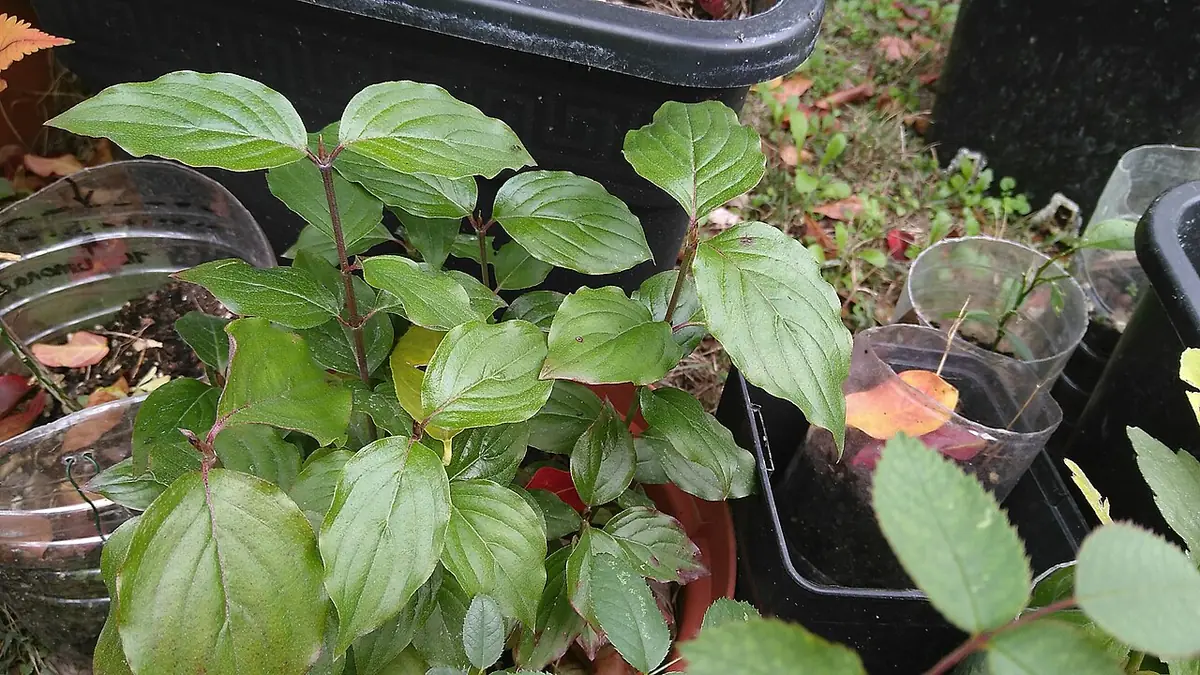
Leave room in the calendar for unexpected weather and for growing plants on. If outdoor planting is delayed, seedlings may need larger pots and additional light.
A seed starting medium is chosen for small roots and controlled moisture, not for the appearance of rich garden soil.
Pay particular attention to cell bottoms and stacked edges where old roots and debris remain. A tray that looks clean from above can still have blocked outlets below.
Pre moistening makes it easier to distribute water through a dry mix without washing freshly sown seed around.
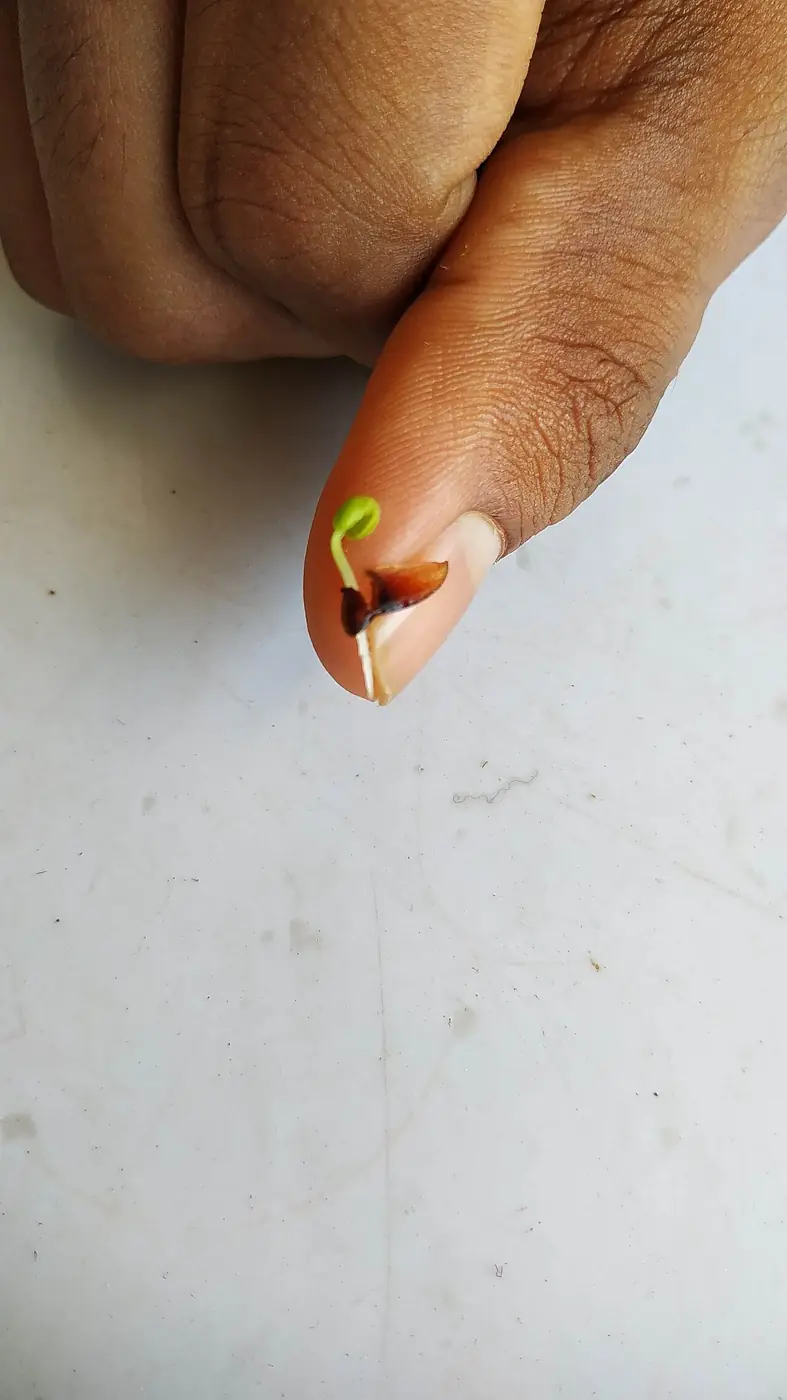
Tiny seeds can disappear against a dark medium, so a clear sowing plan prevents accidental heavy sowing.
Large seed is easier to place individually, but the crop still has a particular depth requirement. Make holes before dropping seed so the depth remains consistent.
The tray edge often dries first because it has greater exposure to moving air. Check corners separately from the center.
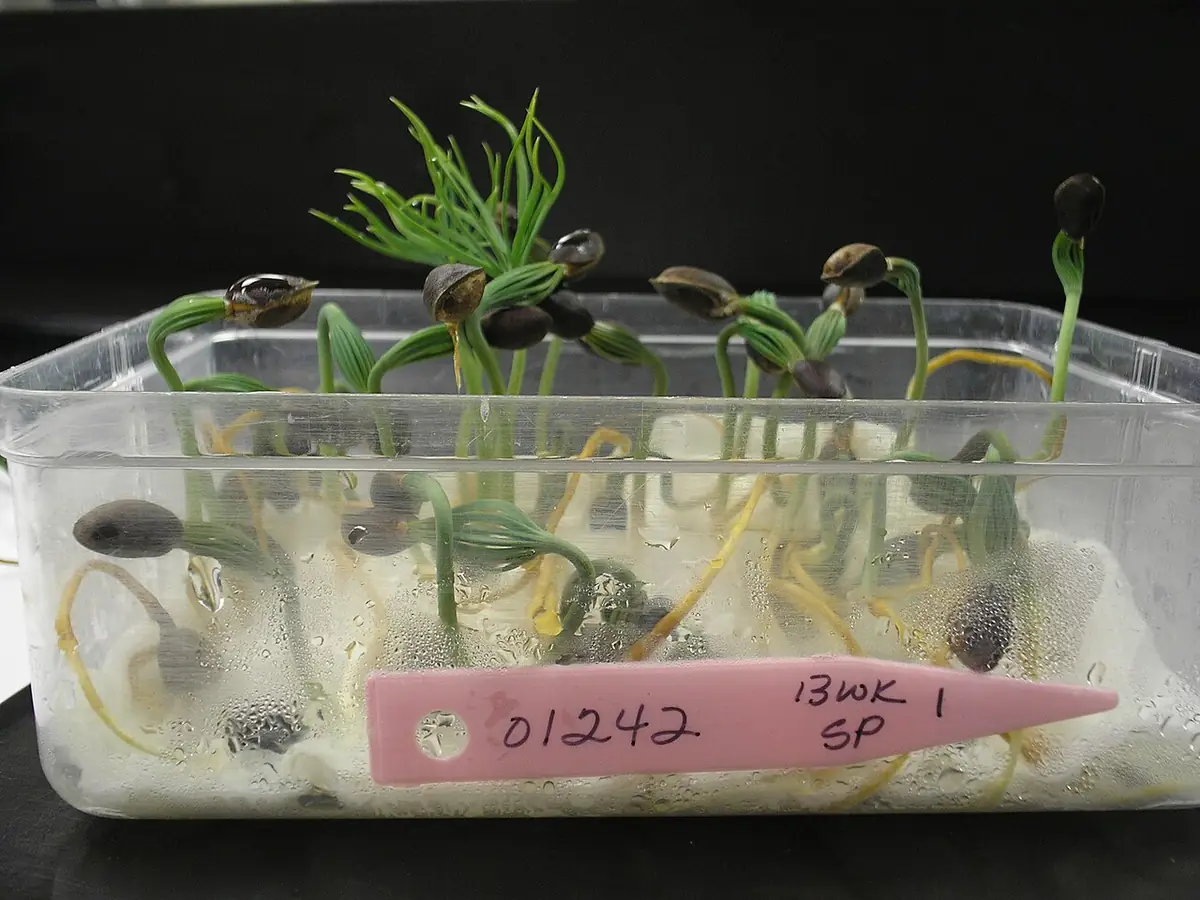
A cover that is useful before emergence can become unnecessary once leaves are present. Condensation is a sign of trapped moisture, not proof that every cell has the right conditions.
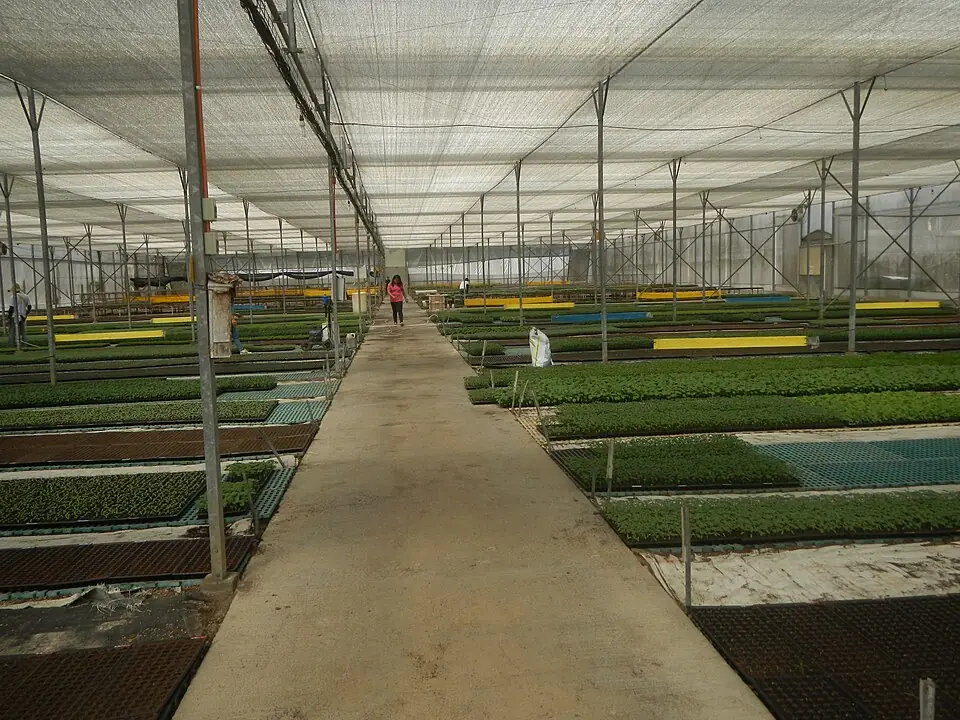
Light intensity falls with distance and can vary across a tray. Follow the equipment guidance and compare growth in the center with growth at the edges.
Long weak stems call for a check of light, spacing and temperature. Correct the conditions before the next leaves develop.
Choose the remaining seedling for its health and position, not merely because it is marginally taller.
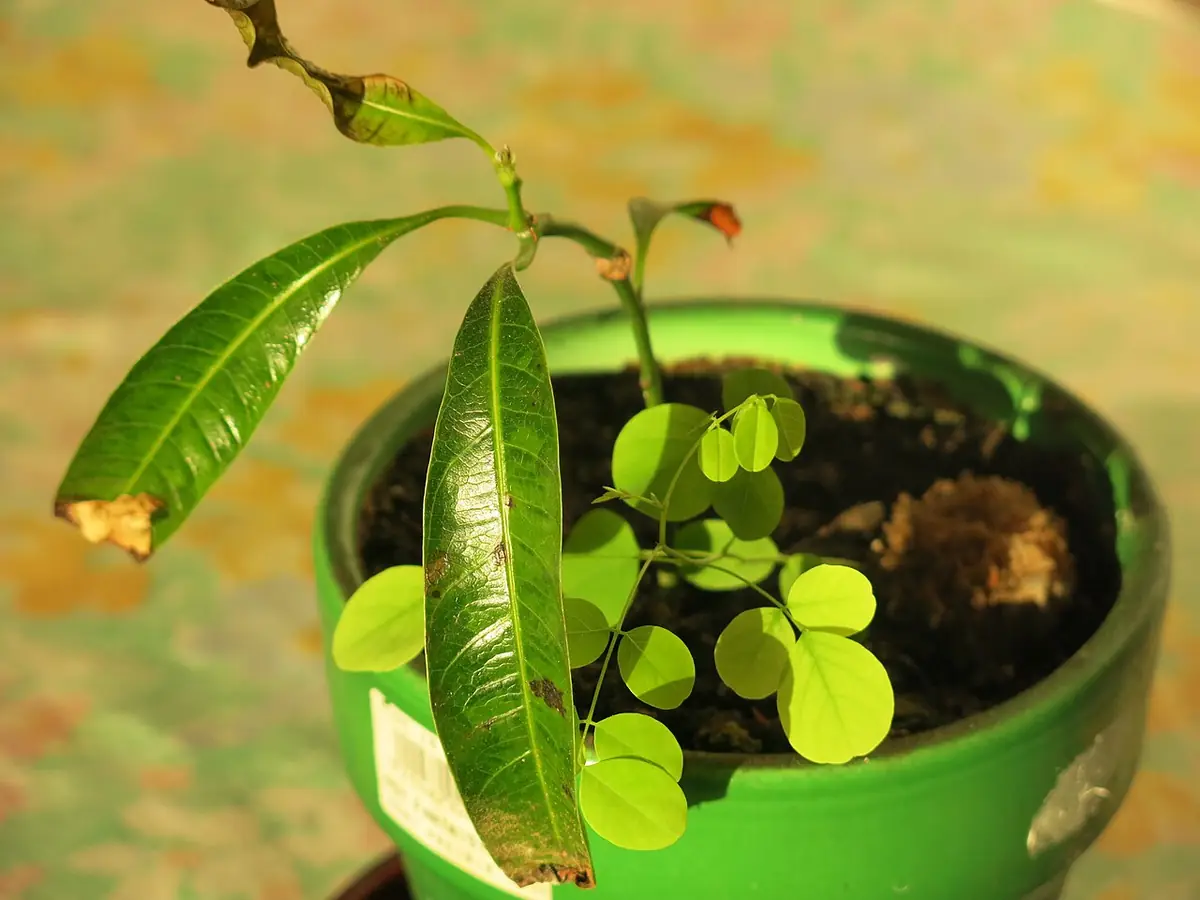
A larger pot should provide room for growth without creating a huge wet volume around a tiny root system.
One root visible at a drainage hole is only a clue. A plug can send a root toward moisture while much of the cell remains unoccupied.
Introduce indoor seedlings to outdoor light, wind and temperature gradually. Hardening off does not make tender crops resistant to frost.
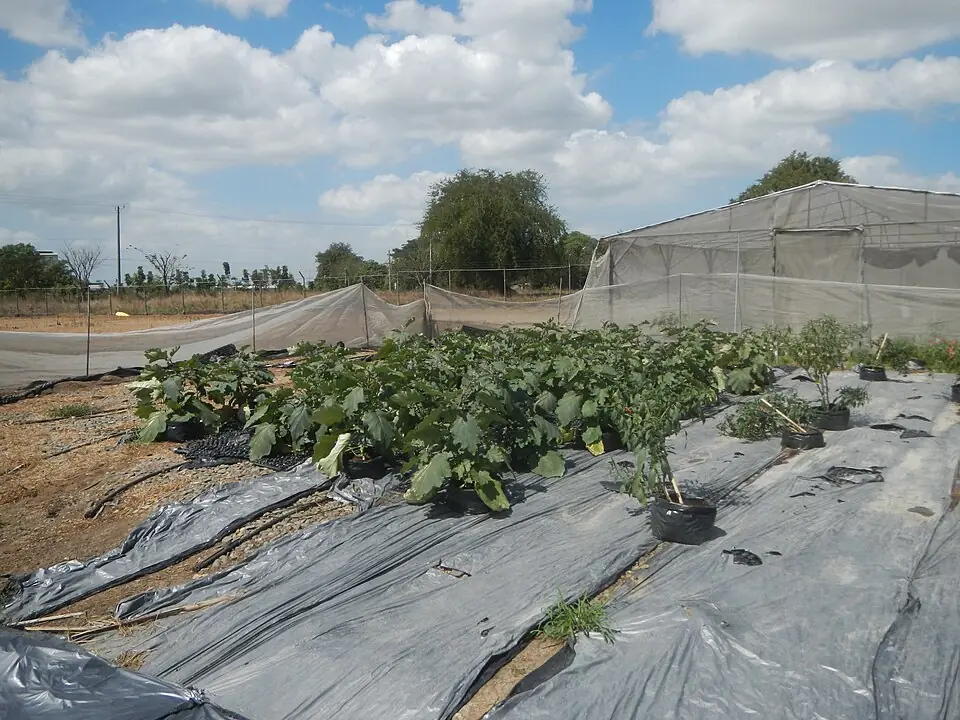
The ideal day is one when both plant and soil are ready. Mild weather does not compensate for a waterlogged bed, and workable soil does not make a frosty night suitable for a tender crop.
The crown is the area where leaves or stems meet the root system, and many plants are sensitive to having it buried in wet soil.