Recognizing a Rest Period in Purple Shamrock
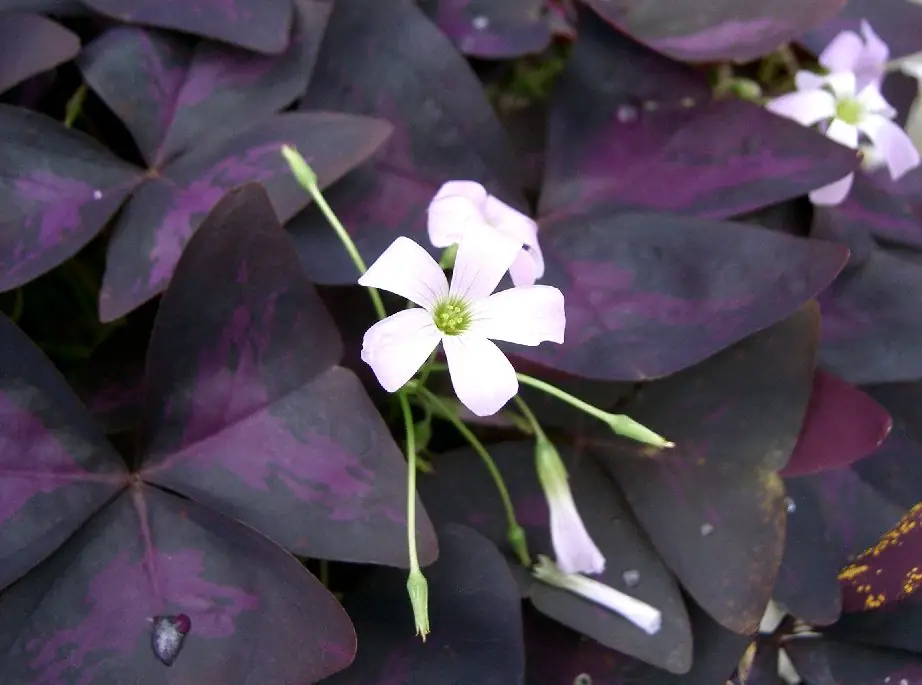
Purple shamrock bulbs can remain alive when the foliage disappears during a rest period. Check for firmness and avoid maintaining the fully watered routine of an actively leafy plant.
Follow the conditions around you and help your garden move comfortably through the seasons.
Purple shamrock bulbs can remain alive when the foliage disappears during a rest period. Check for firmness and avoid maintaining the fully watered routine of an actively leafy plant.
Use a few suitable evergreen forms, stable containers or sound standing stems rather than filling the entire space with temporary decoration.
Wait until soil is workable before digging. If a squeezed handful smears rather than crumbles, leave that area alone and work elsewhere.
Loosen only the area needed for planting and incorporate amendments only where their purpose is clear.
Increase exposure gradually over several days or longer according to the plant and weather. Bring tender plants in when conditions are unsuitable.
Move gradually through a sheltered brighter position before placing suitable plants into full sun or wind.
Run a short supervised test and confirm that water reaches the intended root zones. Clean or replace components according to manufacturer guidance.
Use a clean suitable container and fresh growing medium where needed, maintaining the correct crown or root flare level.
Photograph the same bed from a fixed position and note any changes made to light, spacing or watering.
Sow modest batches at locally appropriate intervals and label them clearly so the young plants do not all need planting space at once.
Water slowly into the active root zone and keep a small clear area around the crown. Use temporary appropriate shelter only when conditions warrant it.
Water slowly enough for infiltration and focus on the soil rather than leaves and paving. Check moisture afterward to see how deeply water reached.
Prepare for heat by checking root moisture, water access and exposure. Midday drooping alone is not a reliable instruction to water again.
Empty full saucers and confirm drainage openings are not blocked. Keep pots supported so excess water can escape freely.
Install suitable stakes or a ring without driving repeatedly through the crown. Tie individual stems loosely with material that will not cut into them.
Remove unwanted growth selectively and guide stems only where support is appropriate. Plan a later relocation for plants fundamentally too large for the gap.
Cut at the stage suitable for the species and retain healthy leaf pairs or growing points needed for further branching.
Group compatible movable pots in a suitable sheltered position, leaving drainage clear and labels visible.