Repot a patio plant when its root system has filled the available space and the existing pot can no longer support manageable watering or stable growth. Roots visible at a drainage hole are a clue, not a complete diagnosis. A dry plant, depleted mix or blocked outlet can cause similar symptoms. Check the root ball gently before choosing a larger container. Repotting without knowing the problem can simply surround struggling roots with more wet medium.
Confirm the need for more space
Look for several signs together. The pot may dry much faster than before, roots may circle densely around its sides, or the plant may be difficult to keep upright despite a suitable position. Compare these changes with the weather and size of the canopy. A sudden hot spell can increase water demand without making the plant rootbound. Slow growth in a cold or dim season also does not automatically justify disturbing its roots.
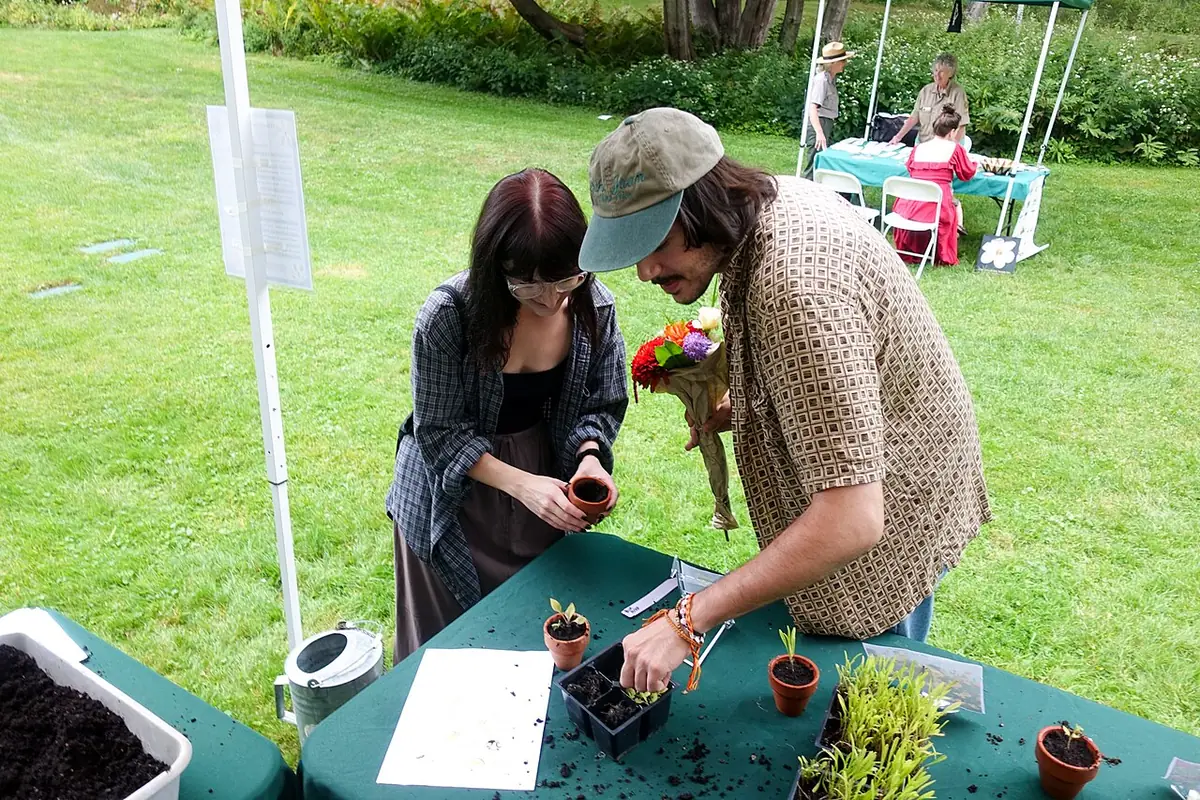
Water a dry plant enough to make the root ball workable before attempting removal. Support the plant at the pot rather than pulling it by stems or leaves. If the root mass will not release, flex a plastic pot gently or consider sacrificing the container instead of tearing the plant apart. Large specimens need suitable help and equipment. Do not attempt a heavy lift beside steps, a balcony edge or an unstable working surface.
Move the root ball carefully
Choose a new container with working holes and a modest increase in root space. The right increment depends on the species and how densely it has filled the old pot, but a dramatic jump leaves a large volume of mix unused by roots. Match the growing medium to the plant and the new container. A moisture loving annual, a woody Mediterranean herb and a succulent are not best served by one identical potting arrangement.
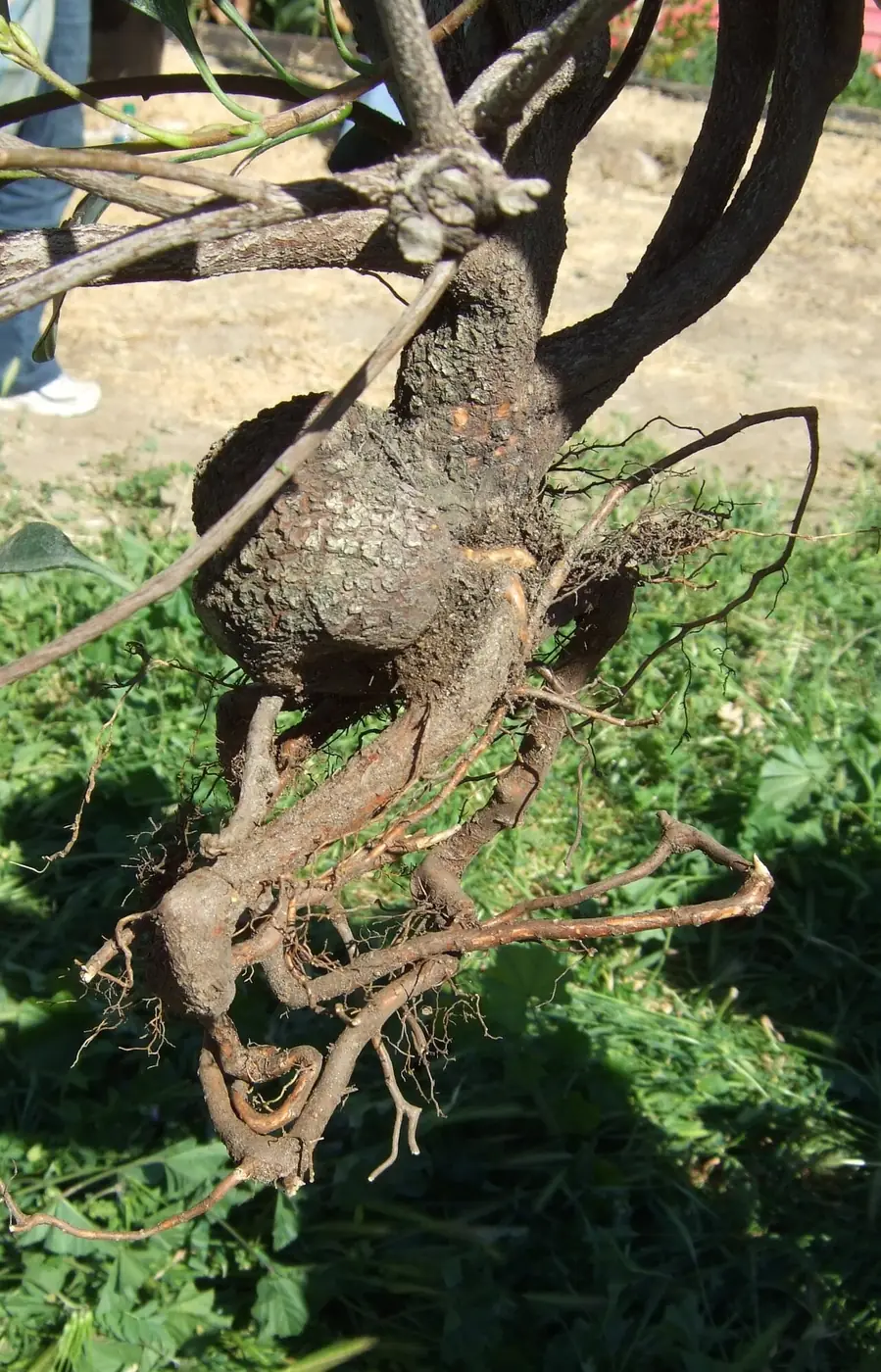
Examine the outside of the released root ball. Loosen accessible circling roots carefully where appropriate, without stripping away all of the medium from a healthy plant. Species differ in their tolerance of root disturbance. Cut only clearly dead material or roots that require correction with clean tools. Severe root pruning, a major canopy cut and a move into stronger sun should not all be treated as routine parts of the same afternoon.
Set the plant so its original growing level is maintained unless that species specifically requires otherwise. Add medium beneath and around it, settling it gently rather than compacting it hard. Leave watering room below the rim. Water across both the old root ball and the surrounding new mix, then allow drainage. Install any support securely without driving it through the main roots or leaving the top heavy canopy to rock the plant loose.
Care for two different mixes
For the next watering cycles, test the old core and the new outer mix separately. They can dry at different rates, particularly when their ingredients differ. A damp outer ring can conceal a dry original root ball, while frequent watering of that core can keep the outer mix saturated. Adjust the application to what you observe. Avoid assuming that the calendar interval from the previous pot will still apply after the move.
Keep the plant protected from unusually harsh conditions during establishment while maintaining suitable light. Delay extra feeding if the fresh medium already contains fertilizer or the plant is stressed. New root exploration and steady growth are better signs of success than immediate larger leaves. Record the new container size and how its moisture changes. If decline continues, reassess the original cause rather than repotting into an even bigger container a second time.