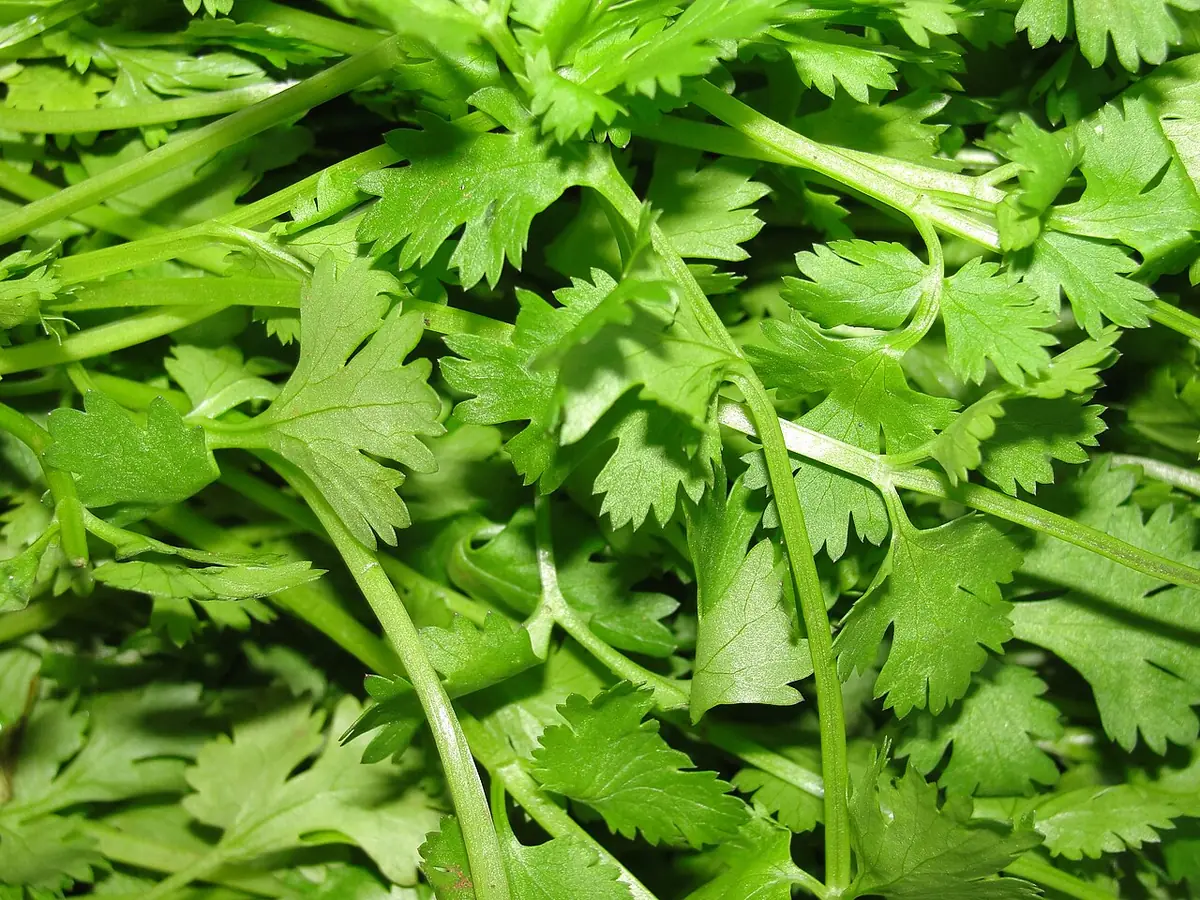
For a regular supply of cilantro leaves, sow small batches that overlap instead of expecting one pot to remain leafy all season. Cilantro, also called coriander, is an annual that eventually flowers and sets seed. Warm weather and moisture stress can shorten the useful leaf stage. Removing a flower stem does not reset an aging plant. A younger batch growing nearby is the more reliable way to bridge the next harvest.
Plan overlapping leaf crops
Choose a location and season that suit leafy growth in your climate. In a cool period the plant can use a bright position, while very hot conditions may call for a site with some protection from intense afternoon heat. Shade cannot fully compensate for a season that is too hot for sustained leaf production. Compare local growing guidance and use the variety description to distinguish a selection intended for leaves from one primarily grown for seed.
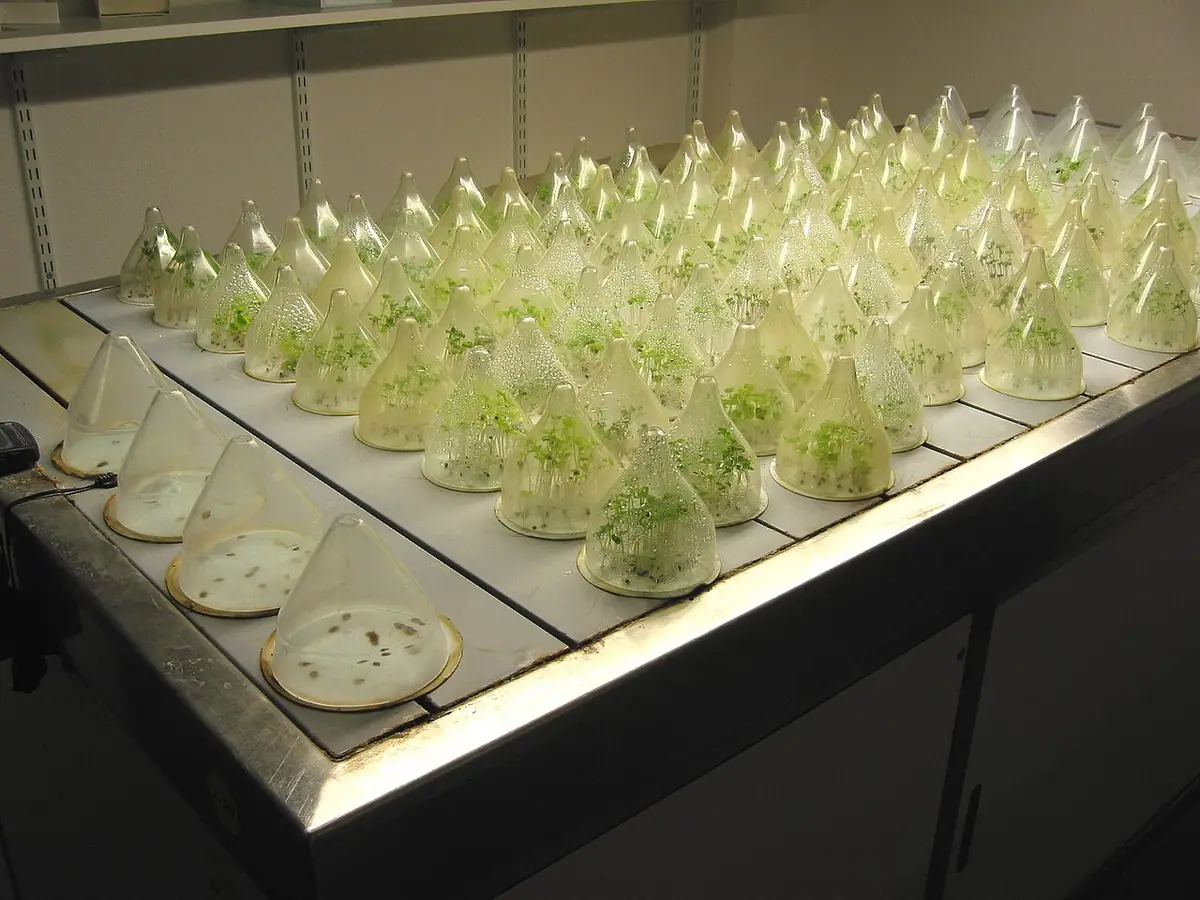
Sow in the final pot or bed when practical, following the packet for depth and spacing. A container needs drainage and enough root depth to avoid drying immediately after every watering. Moisten the medium before sowing so the seeds do not have to depend on a heavy surface soak afterward. Label the batch with its variety and sowing information for your own records. The label helps distinguish a slow batch from one simply sown later.
Establish an uncrowded batch
Keep the seed zone moist during germination without leaving the container saturated. Once seedlings develop, thin them so each has room to grow instead of maintaining a dense carpet of weak stems. If you buy a supermarket pot, remember that it may contain many closely packed seedlings grown for quick use. Its early collapse does not prove that cilantro is impossible in your home; it may show that the original planting was too crowded for a lasting pot.
Harvest modest quantities after the plants are established. Cut outer leafy stems while leaving the center and enough healthy foliage for continued growth. If you need a large bunch for one meal, use several plants rather than stripping a single small one. Keep tools clean and verify that the crop is culinary cilantro before eating it. A pot used as a kitchen ingredient must also be managed according to the food use instructions of any growing product.
Start the next batch while the first still has useful leaves. The appropriate interval depends on growth speed, available room and how much you use, so begin with a small trial and adjust. In warm weather you may need smaller, more frequent sowings with a realistic expectation of a shorter harvest. In cooler weather, a longer interval may avoid an unnecessary surplus. Do not sow the whole seed packet merely to make the planter look full immediately.
Use the next sowing to solve gaps
Watch for a taller central stem and increasingly fine leaves as the plant moves toward flowering. Decide whether that batch should be replaced for leaf harvest or left to complete its cycle for flowers and seed. These are different goals and deserve space of their own. An older flowering pot should not shade the young leaf batch. Removing it can improve access to watering and light even if it still looks attractive.
If a sowing disappoints, compare seed age, moisture, heat and crowding before making several changes at once. Note when the first leaves were harvested and when flowering began under your conditions. Those observations help determine the next sowing interval far better than a universal promise of continuous production. Keep the plan small enough that you can inspect every pot. A few well timed batches are often more useful to a kitchen than one large uneven planting.