Shade the wall of an overheating pot without automatically shading all the plant foliage. A ventilated outer screen or a different position may reduce root heat while retaining useful sun. Check the gap below an outer cover so neither runoff nor hot stagnant air is trapped around the container.
Prepare the container
Prepare a lighter colored outer cover with space for airflow and unobstructed drainage. Put the container in its intended position before adding all of the mix, because a watered planter can be surprisingly heavy. Keep drainage openings clear and make sure the base will not block water from leaving. For hot patio container, a decorative outer cover must still allow the inner pot to drain. A gravel layer cannot make a sealed container suitable for roots that need air.
For the initial setup, move the pot away from heat reflecting walls if leaves and roots repeatedly struggle. Work with mix that is lightly moist rather than dusty or saturated. Handle roots gently, firm the mix enough to remove large gaps and leave a small watering space below the rim. When arranging hot patio container, use the mature dimensions as the guide to spacing. A new planting can look a little open and still be correctly planted for a healthy display later.
Manage water and growth
The watering priority is to check moisture at more than the surface because heat and drying can be uneven. Check below the surface and compare the pot weight where lifting is practical. Apply water slowly so it reaches the root ball rather than running down a gap at the container edge. With hot patio container, weather can change demand sharply from one day to the next. A calendar is useful as a reminder to inspect the pot, but should not decide automatically whether more water is needed.
Watch for a specific early warning: wilting in wet mix during intense heat may reflect root stress rather than thirst. Look at the whole setting before treating the symptom in isolation. For hot patio container, inspect the lower mix, the drainage openings and the exposure of the container wall. Record what you find and change one manageable factor. If the plant is stressed, extra fertilizer is rarely a useful first response until the root environment and watering pattern have been checked.
For continued care, shade the container wall while leaving the plant the light its foliage needs. Keep tools clean and remove fallen material that is becoming wet and compacted on the mix. Feed hot patio container according to the chosen fertilizer label, taking account of any fertilizer already included in the potting medium. Stronger feeding does not make a limited root system unlimited. In a small container, a healthy balance of roots, water and foliage matters more than pushing the fastest possible growth.
Keep the setup workable
A useful distinction is that a decorative outer pot can trap heat or water if its fit is too tight. This is why instructions for one plant or container cannot simply be transferred to every other pot on the patio. Recheck your hot patio container setup after a period of hot weather, strong wind or heavy rain. Where edible plants are involved, use a container suitable for food growing and keep the harvest away from unknown runoff or materials with an uncertain history.
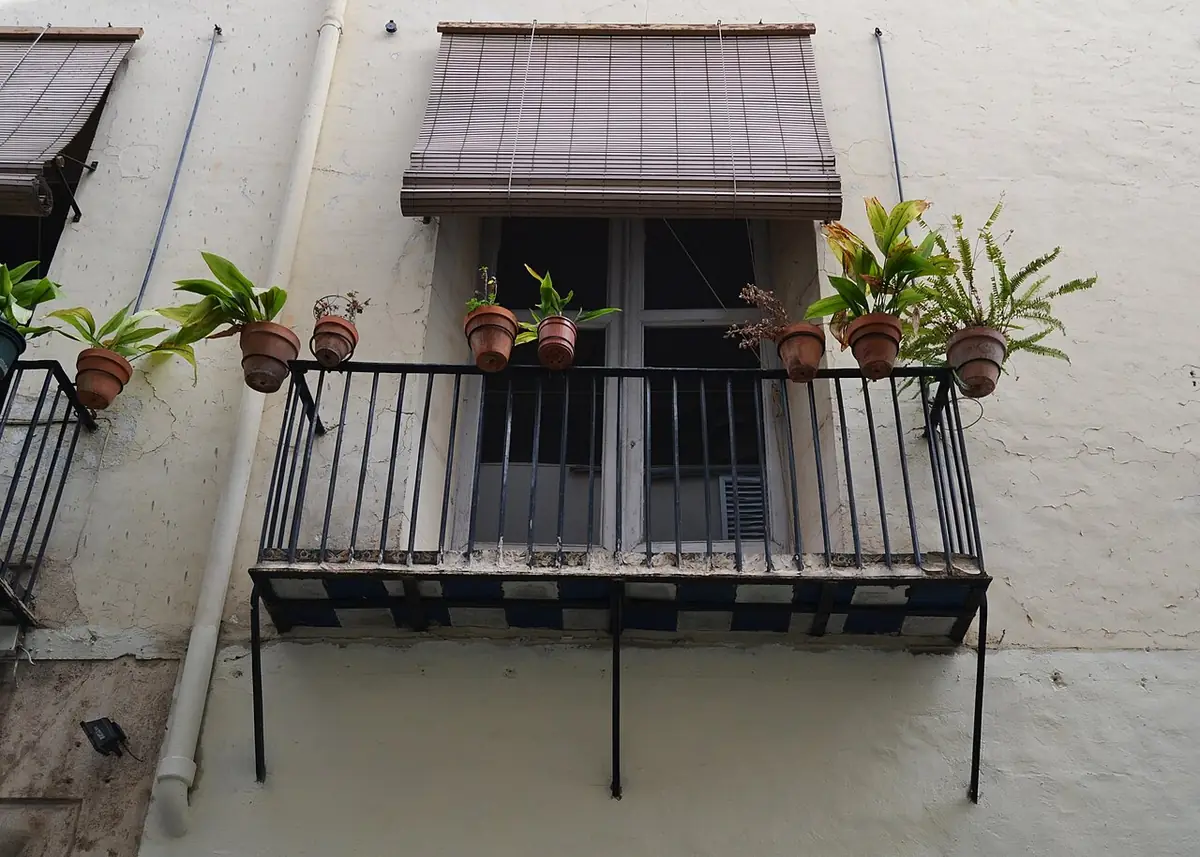
Review access as the planting develops. You should be able to inspect hot patio container, water the mix and remove damaged growth without leaning across an unsafe gap. Keep planters clear of doors and routes used by children or pets. If the container stands on furniture or a support, check that the support can carry the fully watered weight. Practical placement makes regular observation easier and helps small issues stay small.